This 19-day trek combines the remote Nar Phu Valley with the classic Annapurna Circuit. You walk through river gorges, high pastures, old villages and Buddhist monasteries. The route goes to Phu and Nar, crosses Kang La Pass, and joins the Annapurna Circuit at Ngawal. From there it continues over Thorong La Pass to Muktinath and ends in the Kali Gandaki Valley.
The trek is in the Manang area of Nepal. You drive from Kathmandu to Dharapani and start walking toward Koto. From Koto the trail enters the Nar Phu Valley and follows the Nar Phu Khola through Meta to Phu Gaon, then turns back toward Nar. After Kang La Pass and Ngawal, the walk continues through Manang, Yak Kharka and Thorong Phedi. The last big climb is Thorong La Pass, followed by Muktinath and Jomsom. From Jomsom you fly to Pokhara and return to Kathmandu.
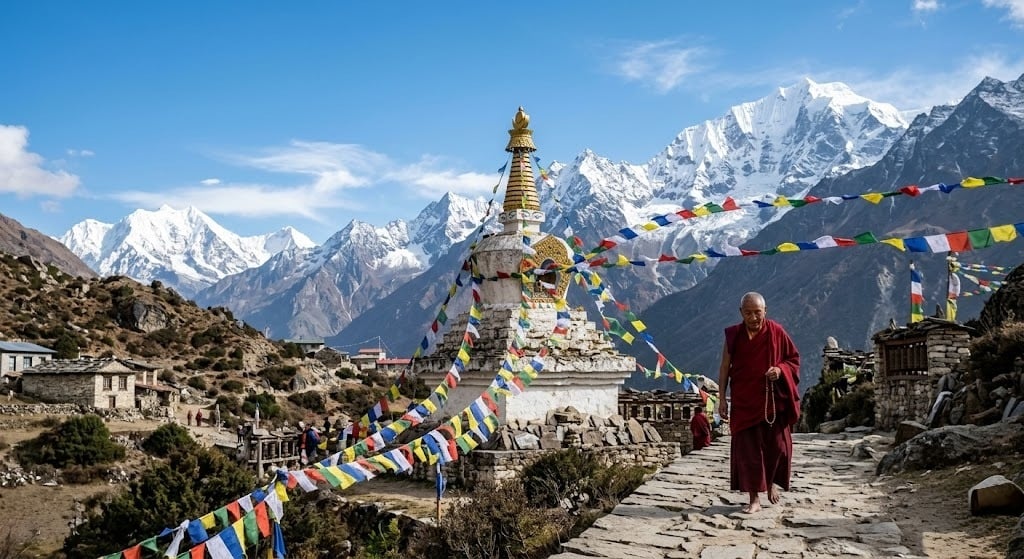
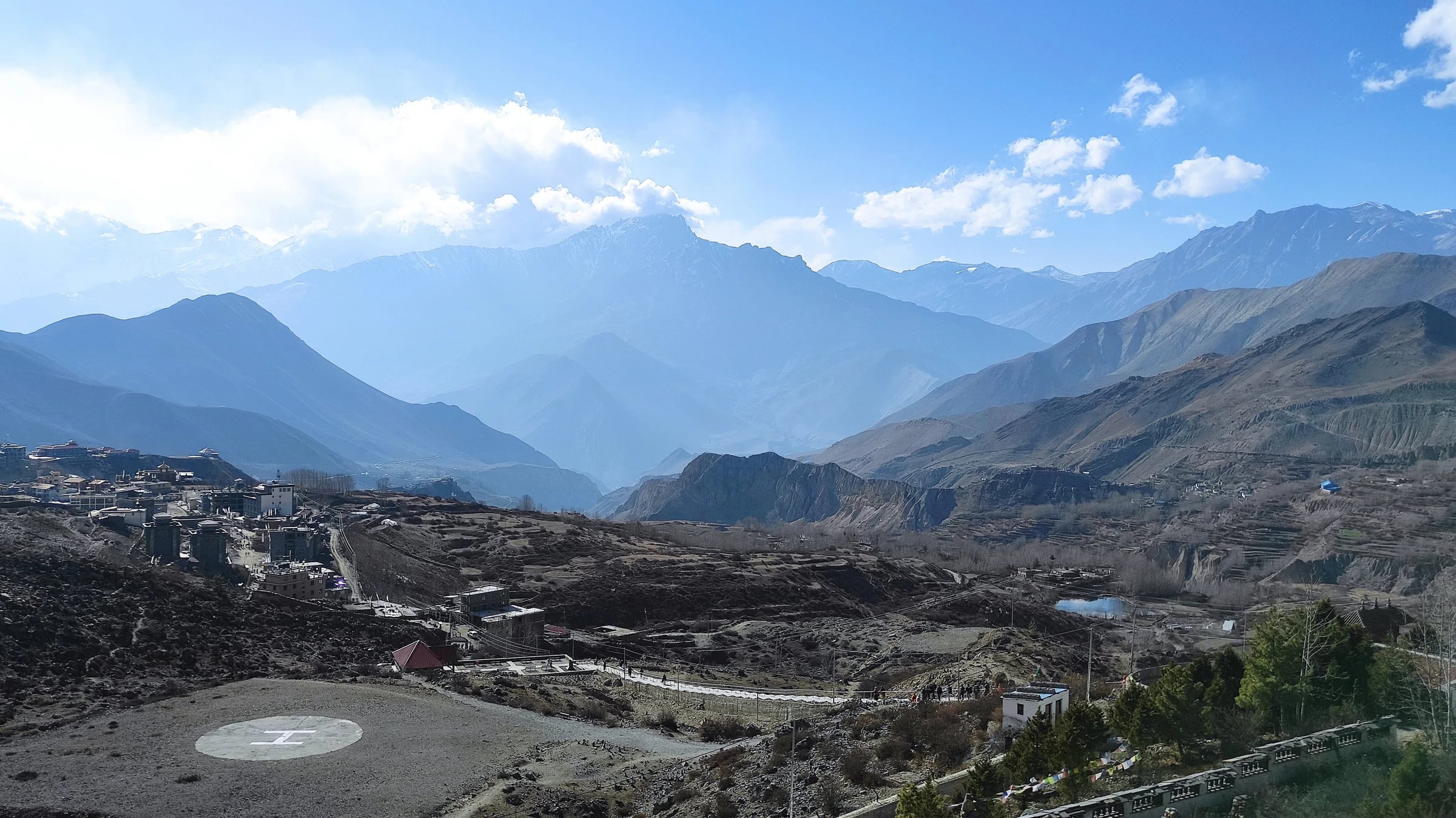
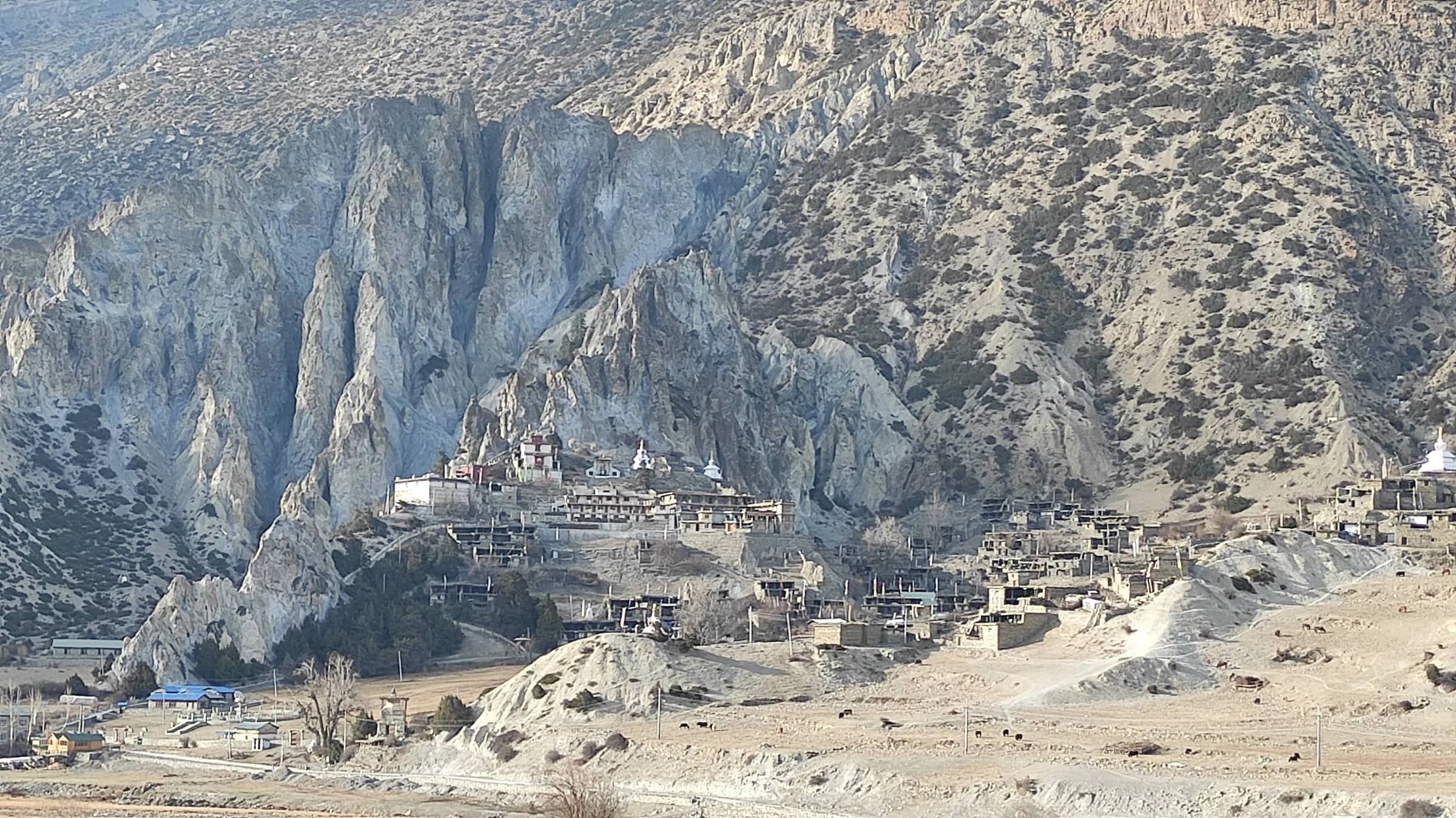
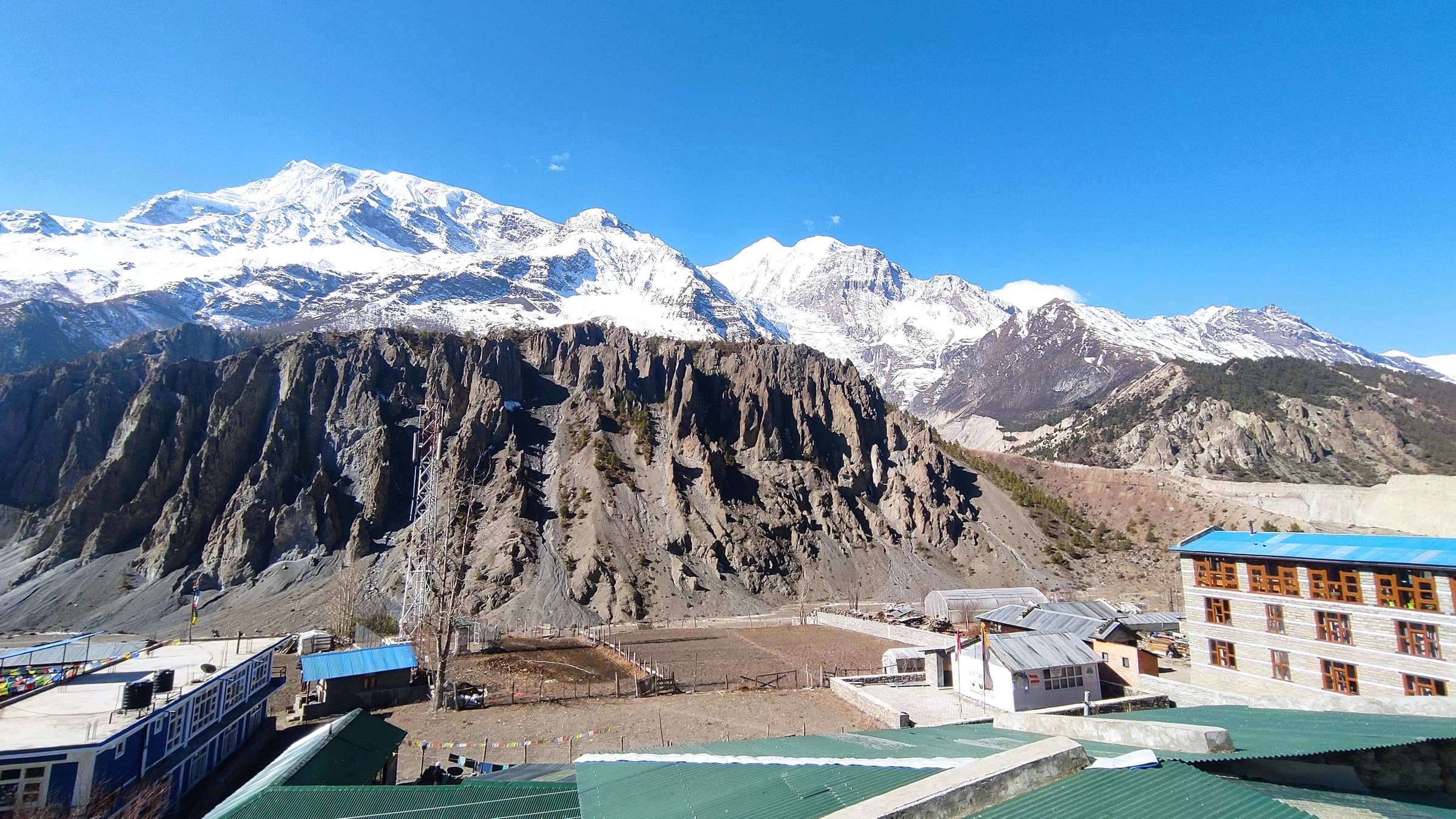
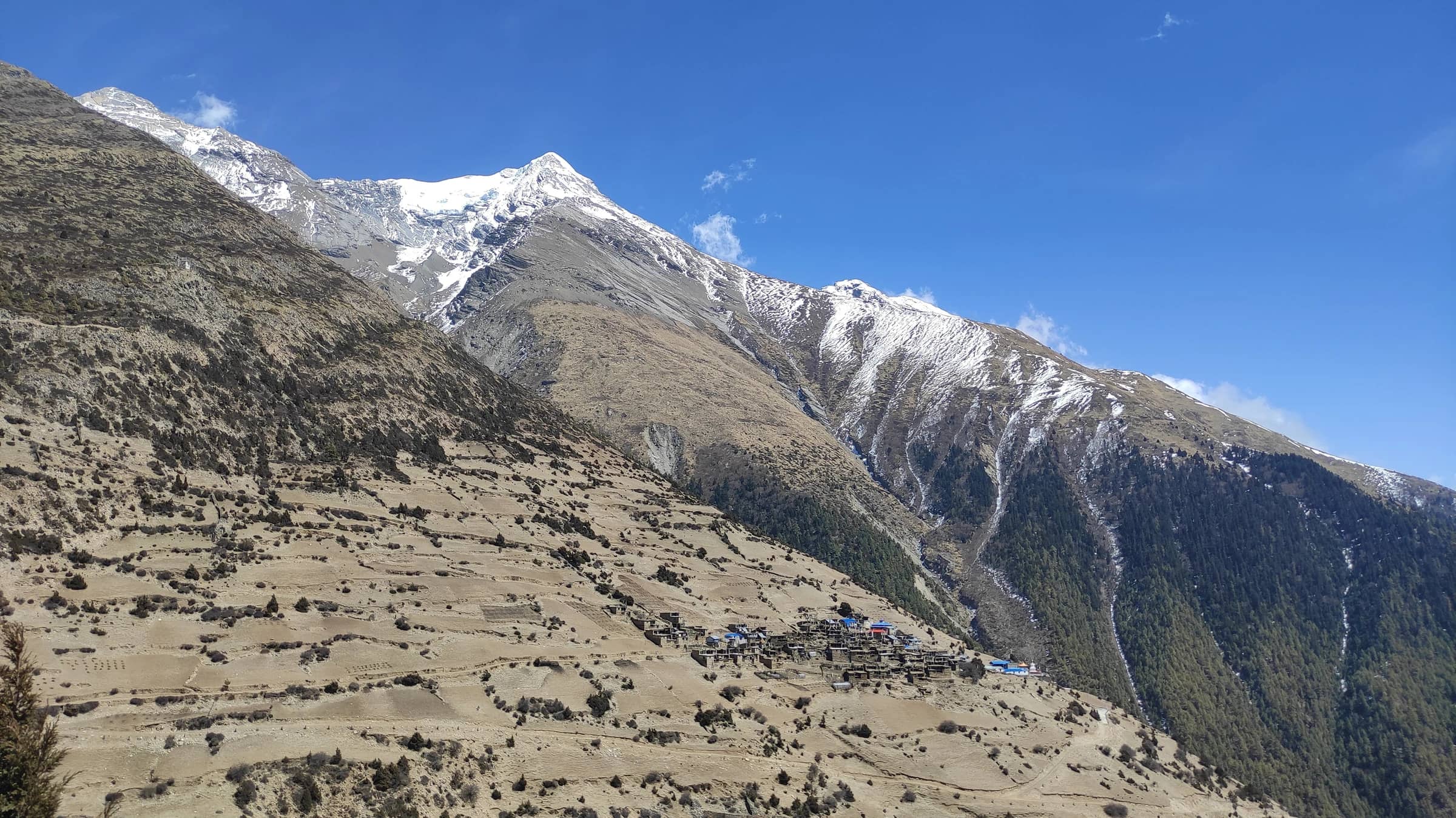
The landscape changes a lot along the way. The trail starts in forested river valleys and narrow canyons, then climbs to alpine slopes, yak pastures and high mountain basins. Nar Phu is remote, with cliffs, scattered stone-and-mud houses and barley terraces on the hillsides, and a Buddhist culture with strong Tibetan influence. Once you join the Annapurna Circuit the valleys open up and the Annapurna range comes into view, with other Himalayan peaks around it. The two high passes have some of the best landscapes on the route.
This trek suits people who want the well-known Annapurna Circuit with a quieter side valley added. Besides Nar and Phu, it covers the circuit from Ngawal to Muktinath, passing villages, old monasteries and two mountain passes. It takes real planning. The altitude is high, parts of the route need restricted-area permits, and the walking days are long. You need time to adjust to the height and local guides who know the area.
Main Highlights
The remote villages of Nar and Phu, each with its own culture
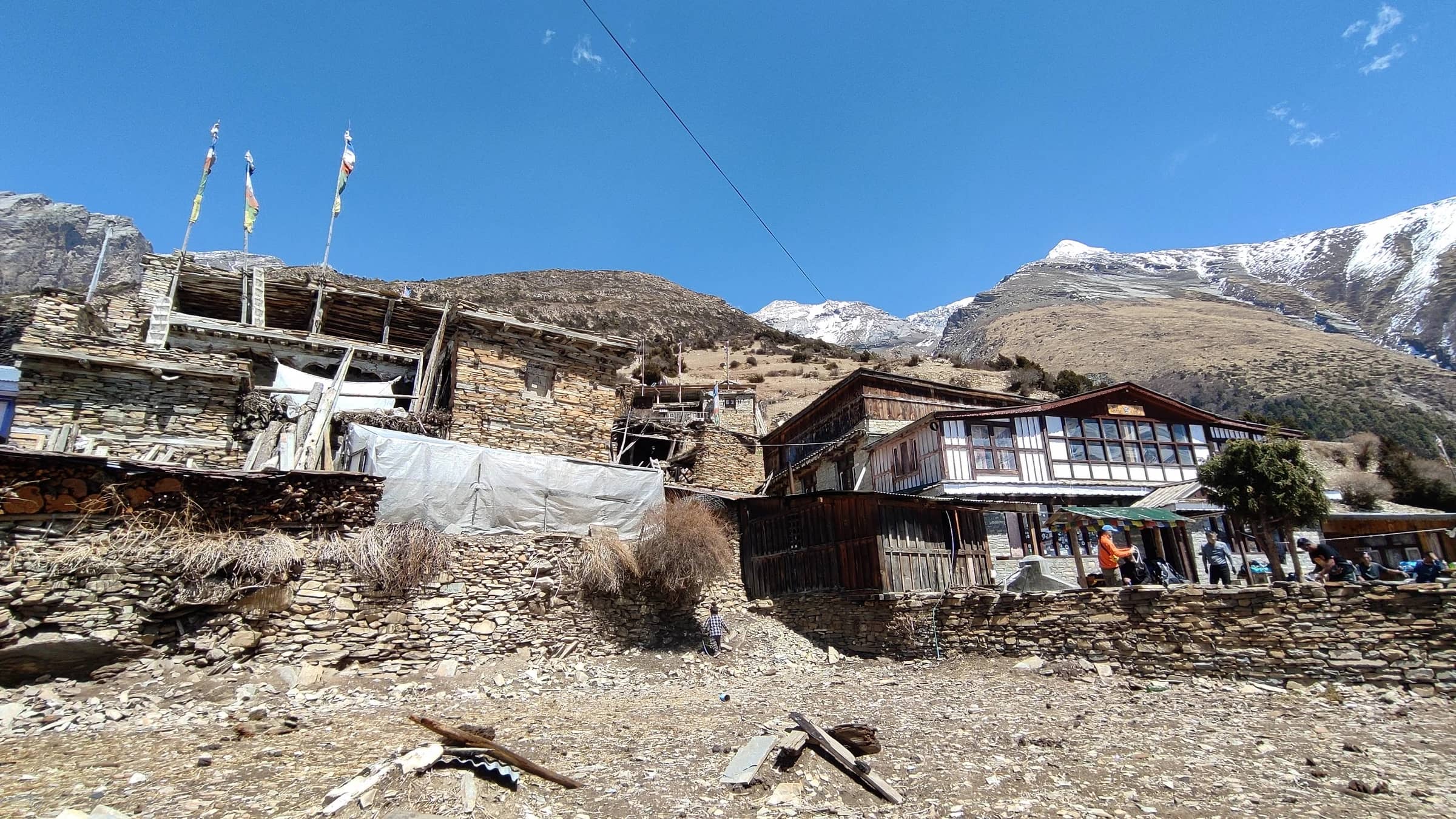
Tibetan-influenced architecture, Buddhist monasteries, mani walls and barley terraces
The Nar Phu Khola gorge and rugged Himalayan terrain
Tashi Lhakhang Monastery in Phu Gaon
Nar, an isolated mountain settlement known for stone houses and high-altitude farming
Kang La Pass at approximately 5,322m, which links Nar with the Annapurna Circuit near Ngawal
Panoramic views of the Annapurna range and surrounding peaks
Acclimatization days in Phu and Manang before the higher sections
Thorong La Pass at approximately 5,416m, one of the best-known points on the Annapurna Circuit
Muktinath, a sacred pilgrimage site, and the historic settlements of Jharkot and Kagbeni
Trekking Routes
Kathmandu → Dharapani → Koto → Meta → Phu Gaon → Nar Phedi → Nar → Kang La Phedi → Kang La Pass → Ngawal → Manang → Yak Kharka → Thorong Phedi → Thorong La Pass → Muktinath → Jomsom → Pokhara → Kathmandu
The trek starts with a drive from Kathmandu to Dharapani. You then walk to Koto, the entrance to the restricted Nar Phu Valley. Beyond Koto the trail runs through narrow canyons, steep rock walls and high grasslands to Meta, then on to the old village of Phu. After some time in Phu you walk back down the valley to Nar, and from Nar you climb toward Kang La Pass.
The trail meets the Annapurna Circuit at Ngawal and continues through Manang, Yak Kharka and Thorong Phedi. Next comes the big climb over Thorong La Pass. On the far side you reach Muktinath and then Jomsom, where the walking ends. From there you travel to Pokhara and back to Kathmandu.
Sub Peaks and Mountain Views
Annapurna II – 7,937m: One of the major peaks of the Annapurna massif. Its ridges and snow-covered slopes show up around the Annapurna Circuit, including the area near the Kang La route.
Annapurna III – 7,555m: Known for its steep faces and rugged outline. It adds to the wider panoramas along parts of the circuit.
Annapurna IV – 7,525m: Rocky ridges and high mountain terrain. It is part of the view around Manang and the wider Annapurna range.
Gangapurna – 7,455m: Rises above the Manang Valley, with glaciated slopes and a sharp profile. Gangapurna Lake, near Manang, is a visit you can make during acclimatization.
Tilicho Peak – 7,134m: A prominent summit in the wider Annapurna region, part of the scenery around upper Manang. Whether you see it depends on where you are on the trail and the weather.
Pisang Peak – 6,091m: Stands near the village of Pisang and is recognized by its rugged summit. It is part of the mountain scenery along the Annapurna Circuit.
Trek Facts
The itinerary crosses two high passes: Kang La at approximately 5,322m and Thorong La at approximately 5,416m.
Nar Phu Valley is a restricted area. You need specific permits and must trek under regulated arrangements.
Nar and Phu keep their traditional architecture and Buddhist customs, and a way of life shaped by high altitude.
From Koto, the trail follows the Nar Phu Khola through narrow gorges and rough mountain terrain.
Stone houses, barley terraces and yak pastures show how the local communities have adapted to the mountain climate.
Tashi Lhakhang Monastery in Phu is the main cultural stop in that village.
Kang La takes you from the Nar Valley to Ngawal and the main Annapurna Circuit.
The route combines the quiet Nar Phu region with established Annapurna Circuit villages and trails.
Planned rest days in Phu and Manang give you time to adjust to the elevation, but they do not remove the risk of altitude sickness.
Why Trek the Annapurna Circuit with Nar Phu Valley?
This trek is for people who want to see more of the Himalayas than the busiest trails show. Nar Phu has remote settlements and old monasteries, and it feels quite different from the main Annapurna Circuit. Kang La Pass is a hard high-altitude crossing, and the route through Manang and over Thorong La gives you the classic circuit. Between them you get culture, mountain scenery and a demanding walk in one trip.
Best Season to Trek
Spring – March to May
A popular season in the Annapurna region. Temperatures are more comfortable at lower elevations, and the longer days leave more time for walking. Snow can stay on Kang La Pass and Thorong La Pass, especially early in the season, so check trail conditions locally before you leave.
Autumn – September to November
Also recommended. After the monsoon the skies are often clear and the mountain views are excellent. The trails are busy, and daytime conditions are generally good for trekking. Nights get much colder at higher elevations, especially around Meta, Phu, Nar and the two passes.
Winter and Monsoon Considerations
Winter brings severe cold and snowfall, and the high passes can become difficult or impassable. The monsoon brings rain, landslides and road disruption at lower elevations. Both seasons need a careful check of local conditions, and neither may suit the full itinerary.
Recommended seasons: March–May and September–November.