Step back in time to the golden age of the Malla kings on this immersive cultural journey through the Kathmandu Valley's two best-preserved medieval cities. Bhaktapur and Patan (Lalitpur) represent the pinnacle of Newari civilization-a unique culture that flourished between the 14th and 18th centuries, leaving behind architectural masterpieces that UNESCO has designated as World Heritage Sites.
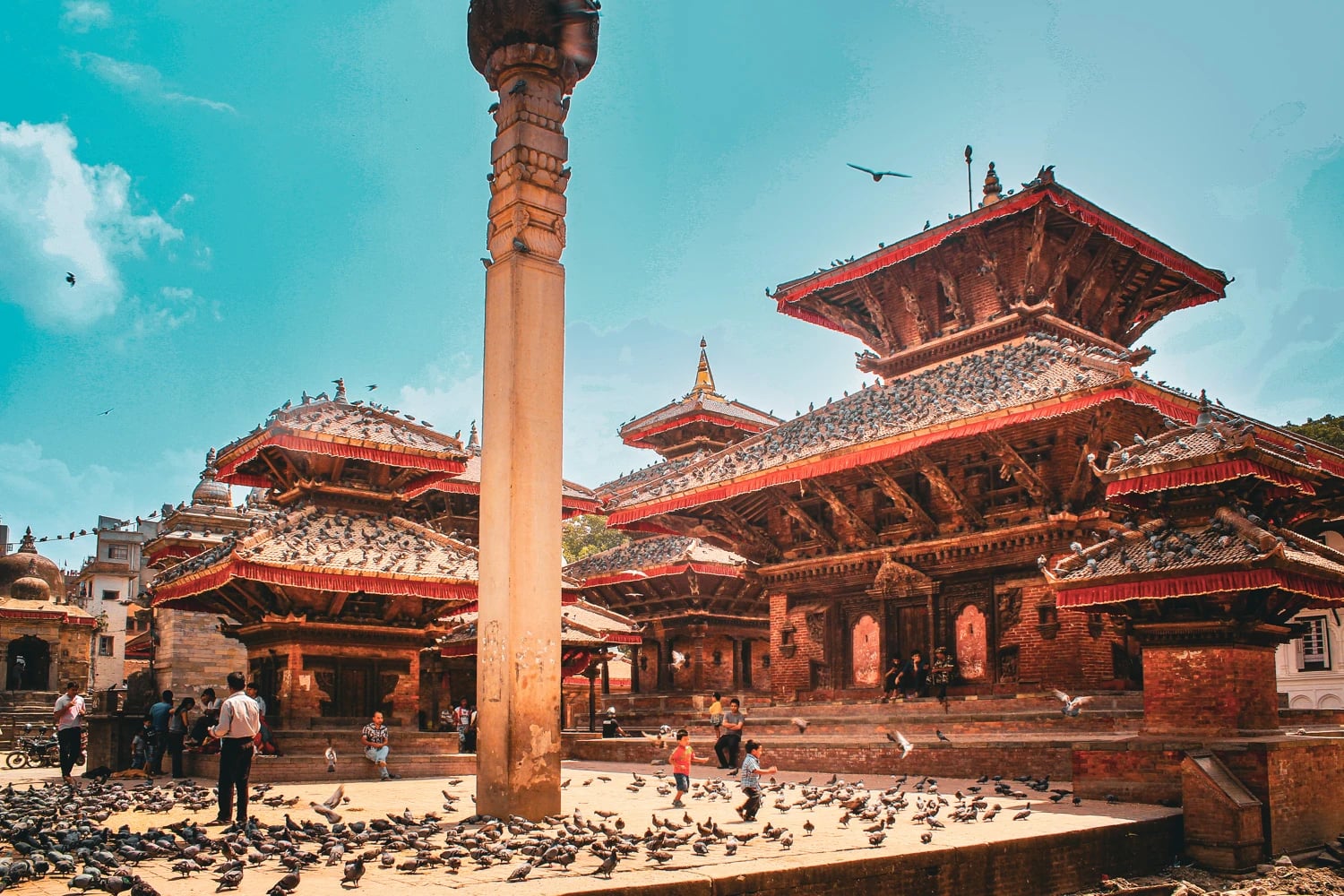
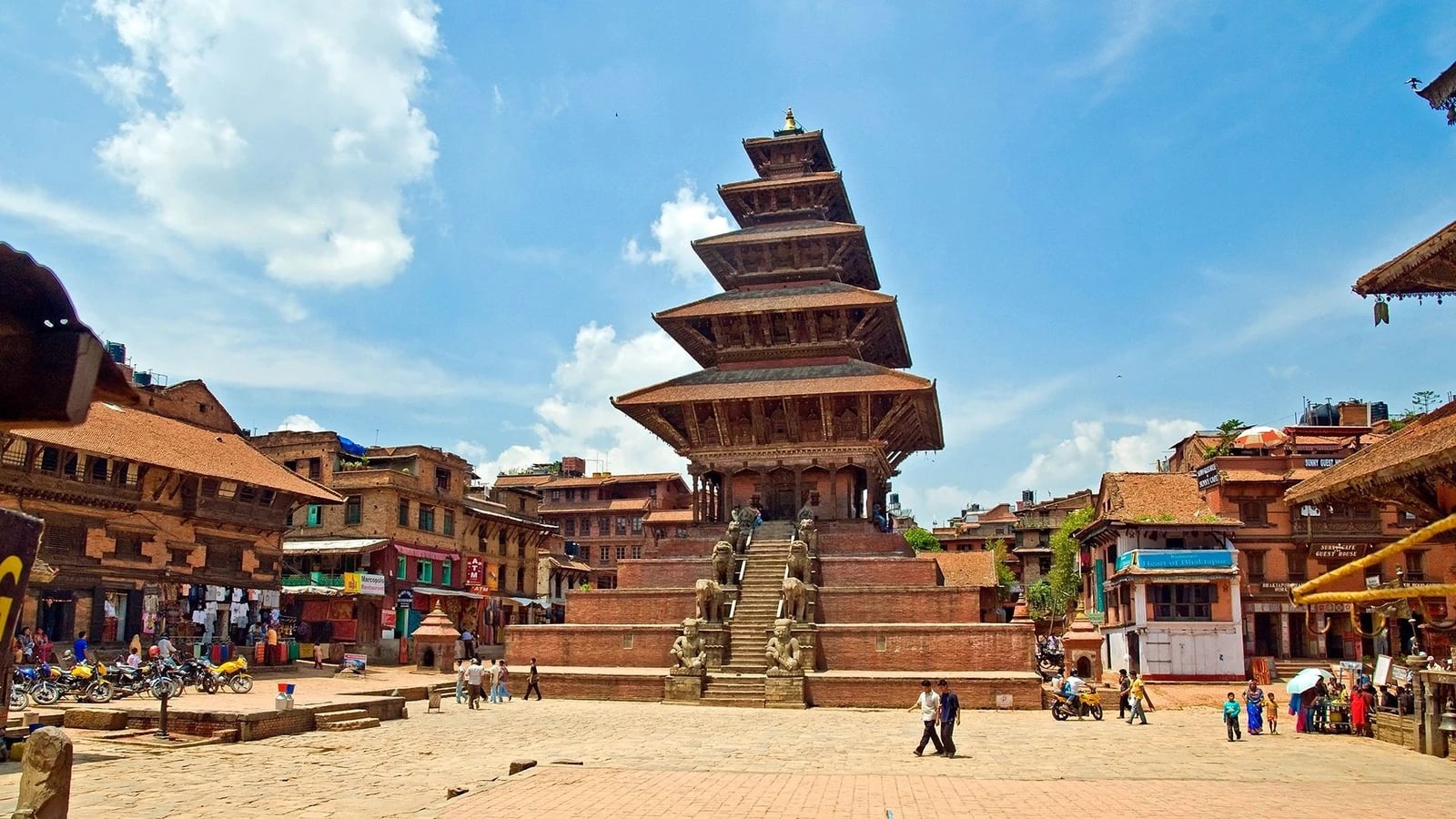
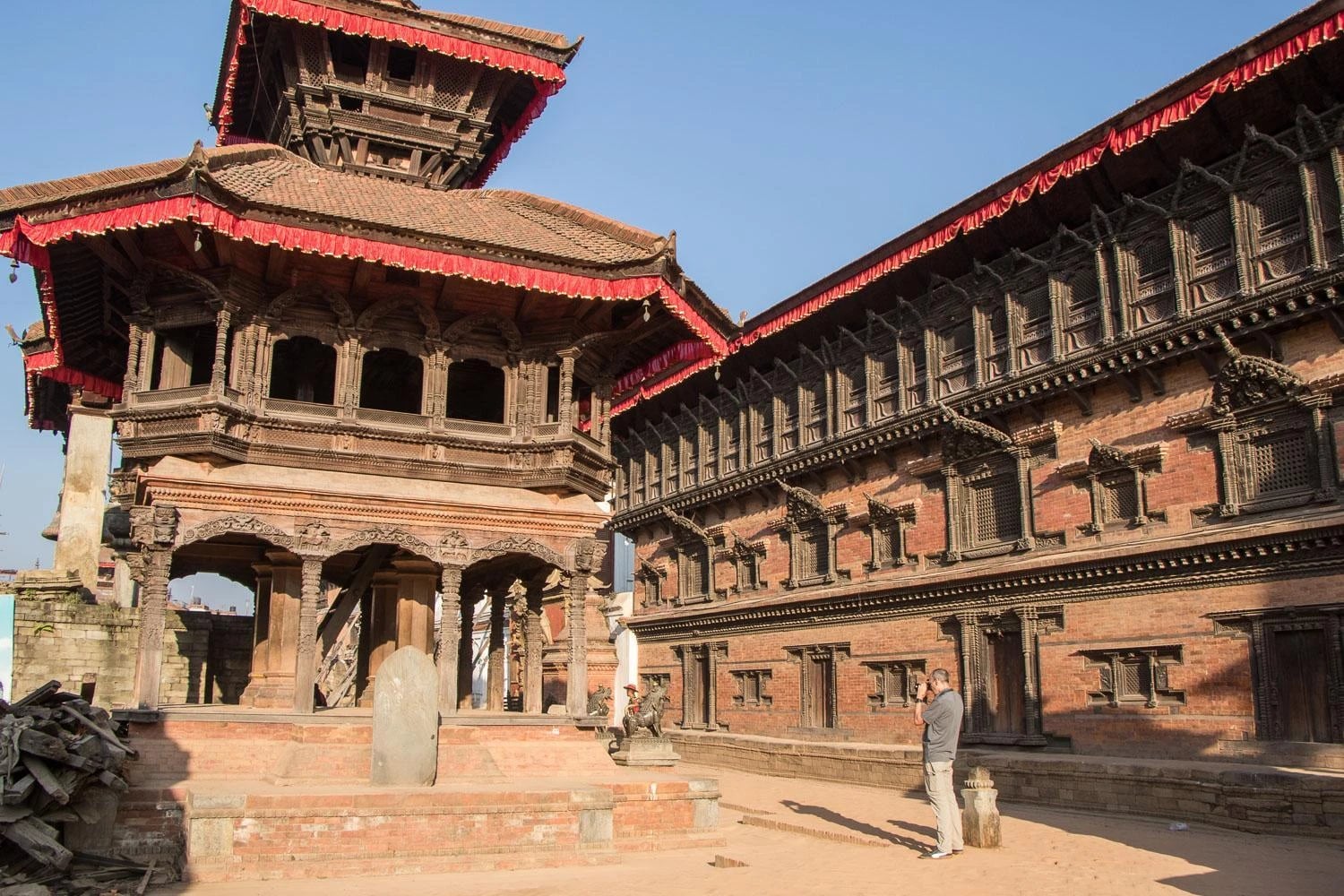
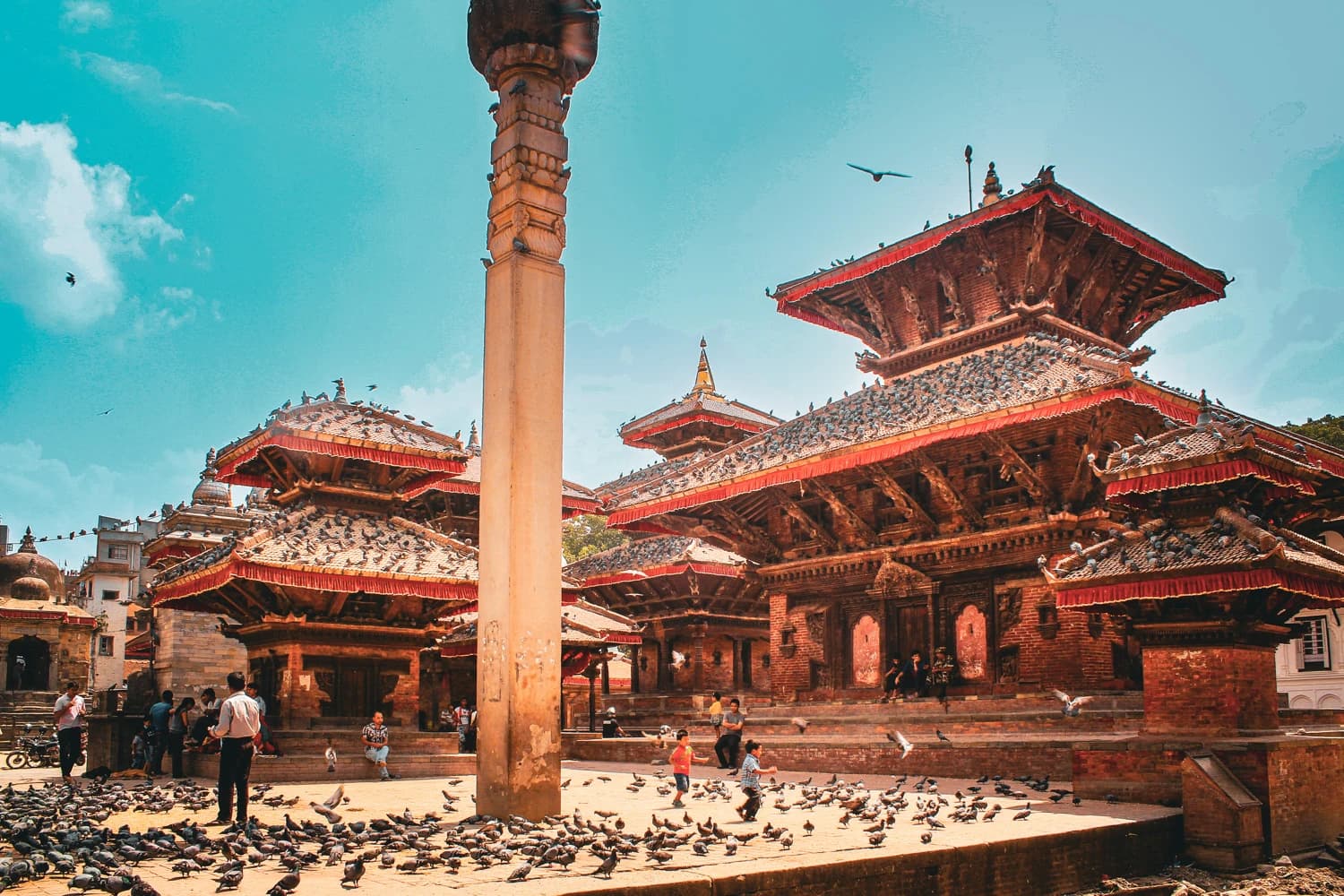
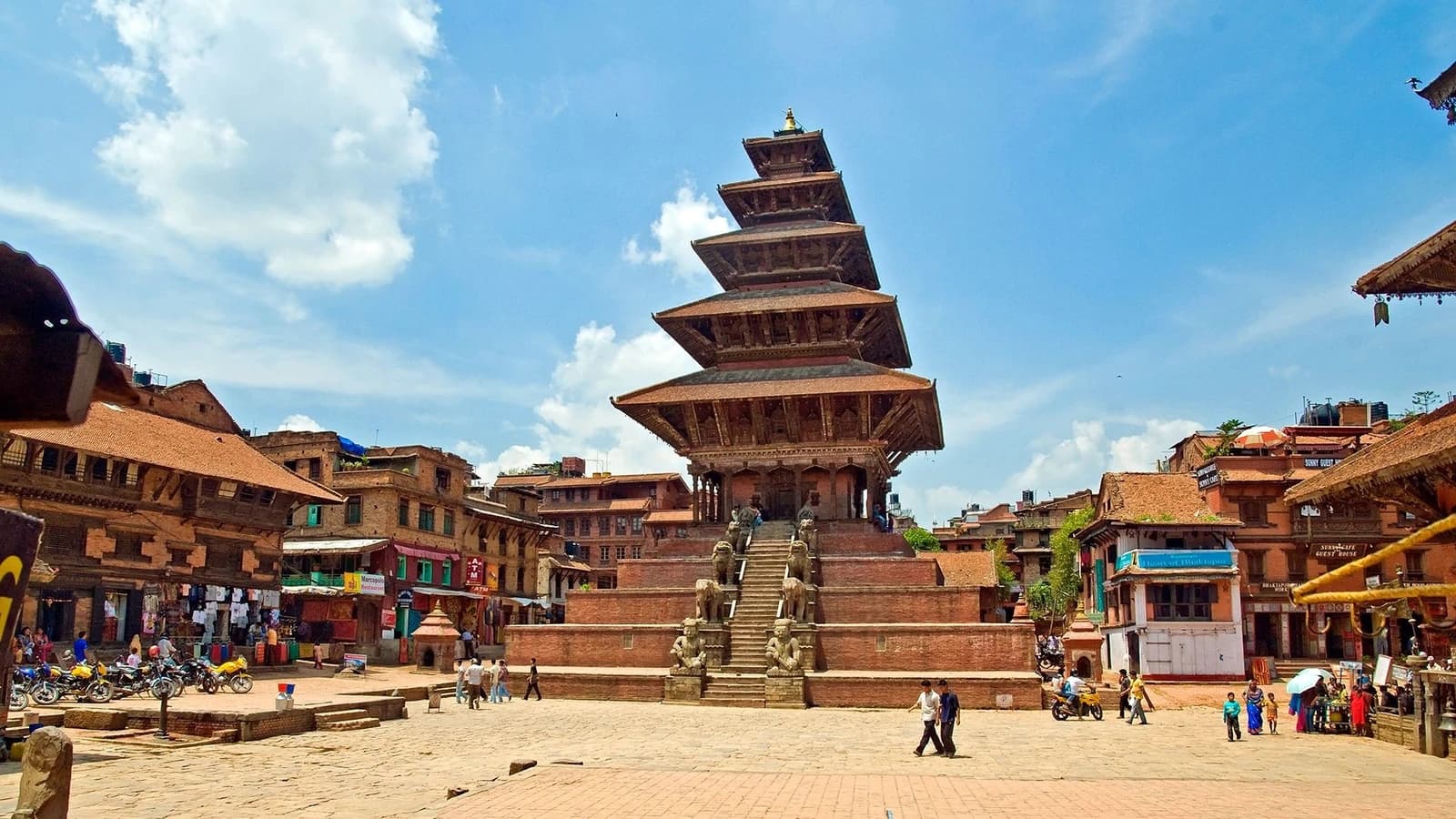
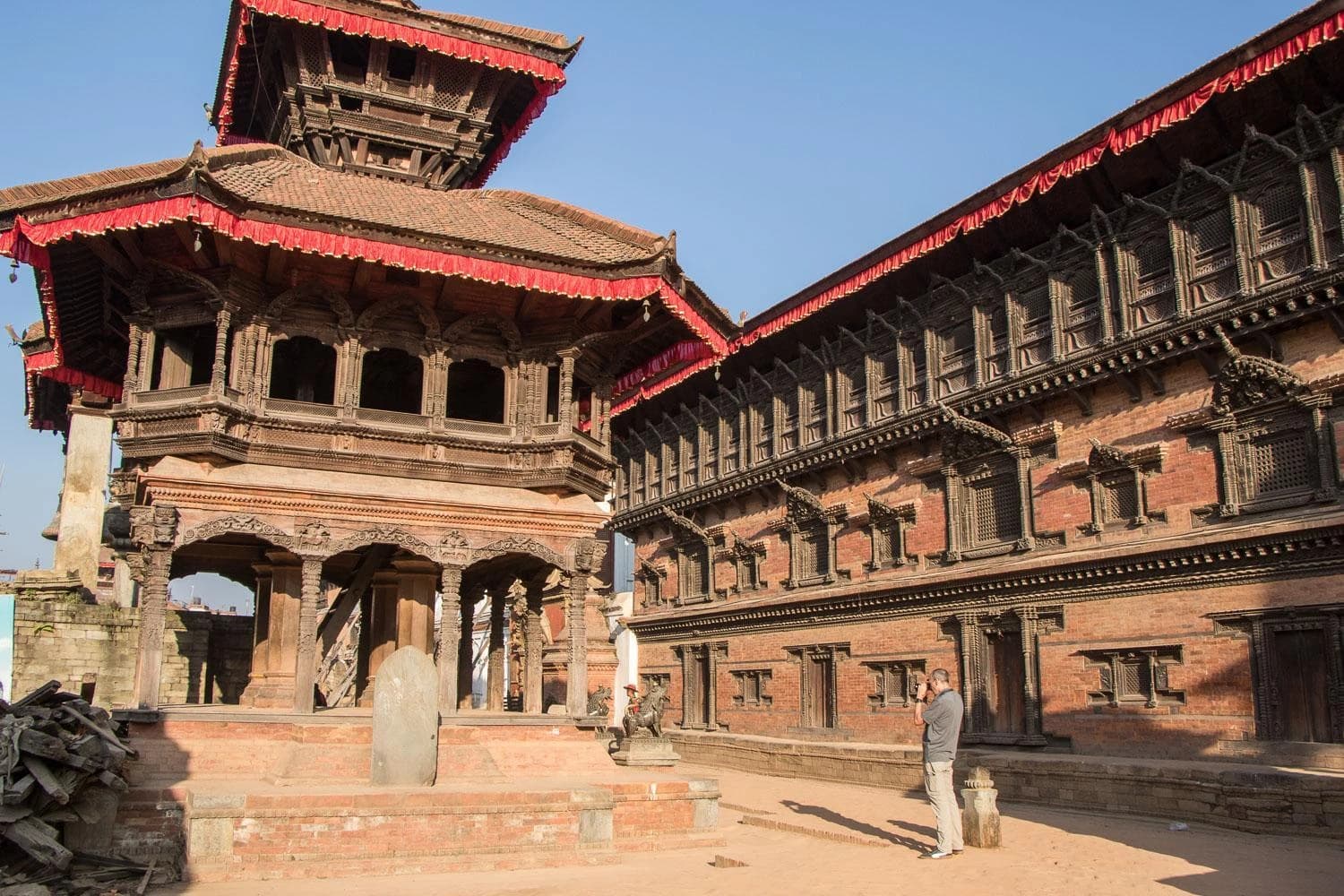
Your day begins in Bhaktapur, the "City of Devotees," which many consider the crown jewel of Nepalese heritage. Unlike Kathmandu, Bhaktapur escaped significant modernization, and its Durbar Square remains a living museum where traditional life continues amidst 500-year-old temples. Your guided walking tour reveals the towering Nyatapola Temple—at 30 meters, Nepal's tallest pagoda and an engineering marvel built in 1702. Its five-tiered structure and guardian statues (elephants, lions, griffins, and goddesses) represent the cosmic hierarchy of Hindu-Buddhist cosmology. Nearby, the Bhairab Nath Temple and the former Temple-atace courtyards showcase intricate woodcarvings that took generations of master craftsmen to complete.
At Pottery Square, watch artisans shape clay on traditional wheels—a craft unchanged for centuries. The square's sun-dried pots and the rhythmic thump of molding clay create an atmosphere of timeless craftsmanship. Bhaktapur is also famed for its King Curd (Juju Dhau)—a sweet, custard-like yogurt traditionally fermented in clay pots. A tasting here is a cultural ritual as much as a culinary delight.
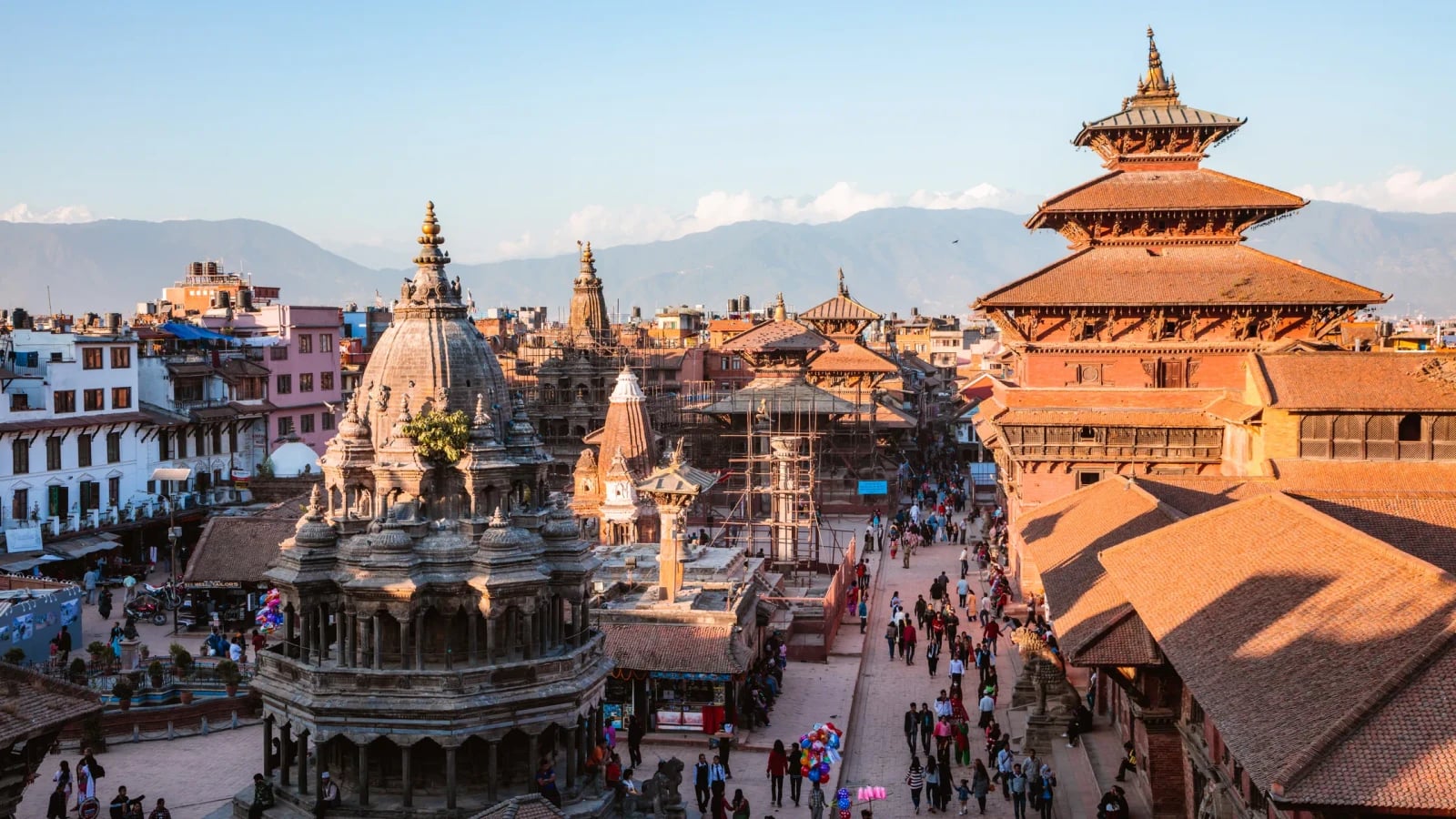
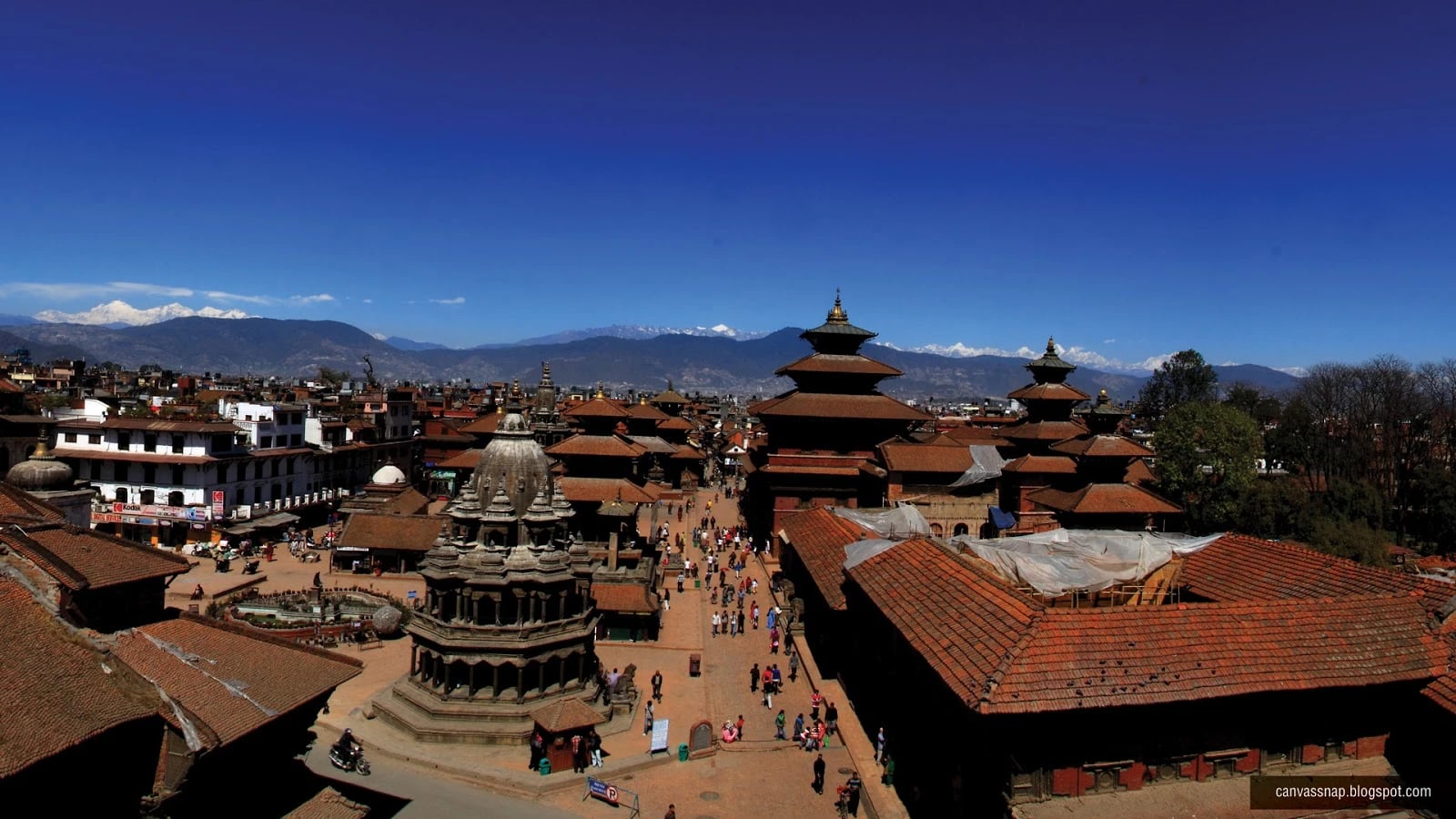
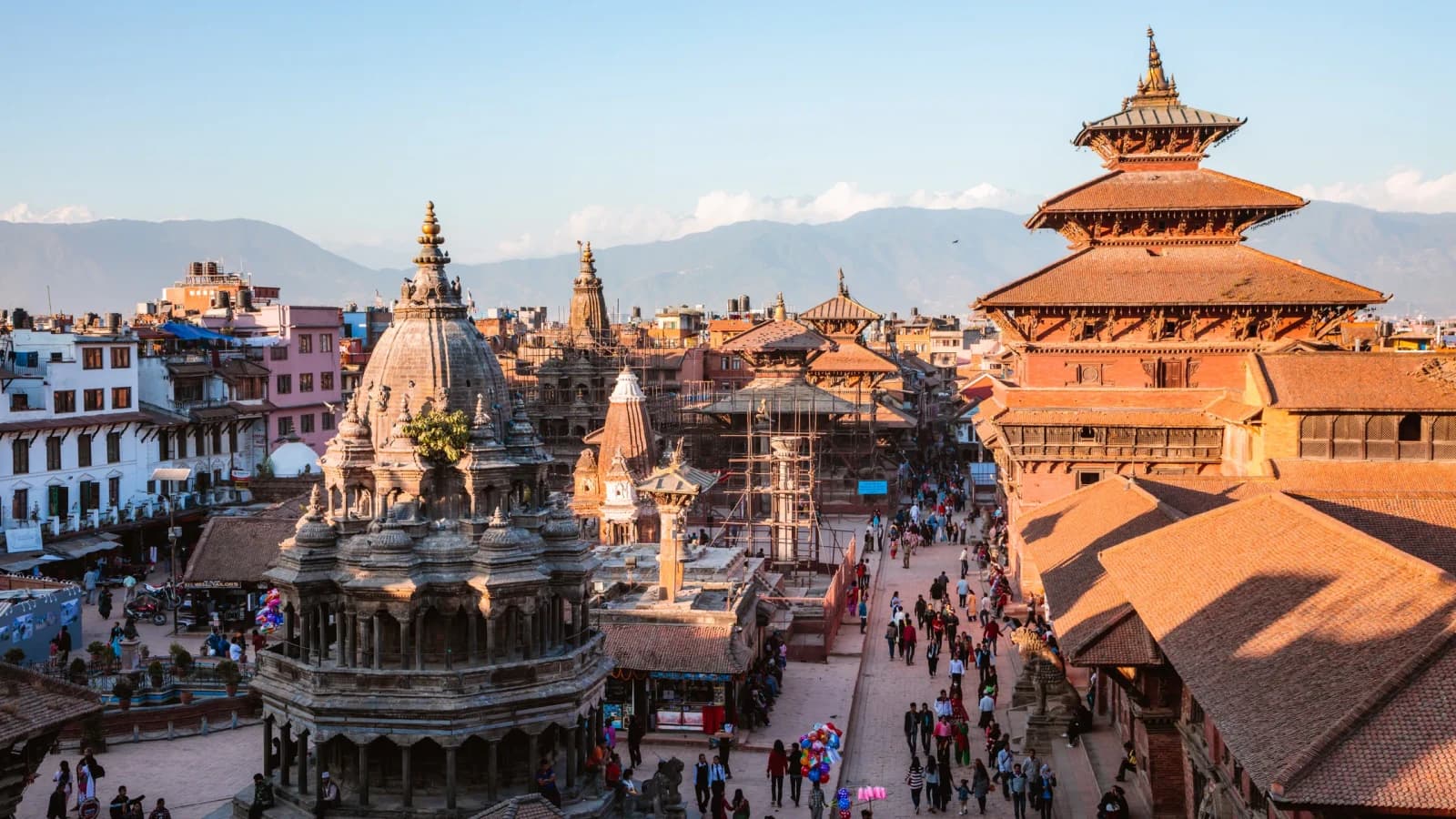
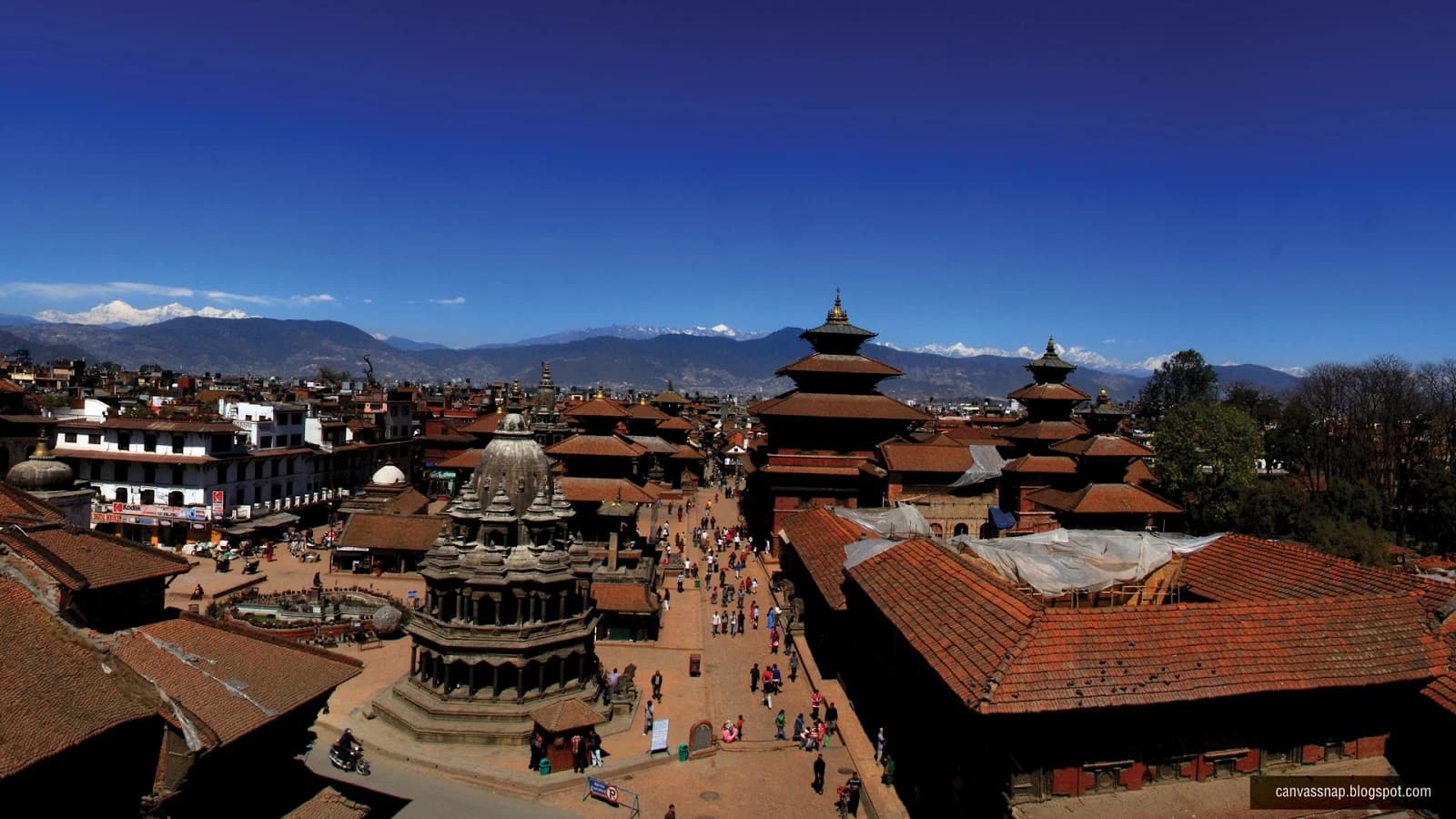
After a short drive, you arrive in Patan (Lalitpur), the "City of Fine Arts." Patan's Durbar Square is widely regarded as the most architecturally refined in Nepal. The centerpiece is the Krishna Mandir — a 17th-century stone temple built entirely from carved stone in the Shikhara style, depicting scenes from the Mahabharata and Ramayana with extraordinary detail. The surrounding palace complex houses the Patan Museum, considered one of Asia's finest collections of sacred art, with bronze statues, thangka paintings, and ritual objects spanning millennia.
Patan remains Nepal's living artistic heart. The narrow lanes around Durbar Square are lined with workshops where master metalworkers, woodcarvers, and thanka painters continue traditions passed down through families for centuries. Your guide will explain the symbolism behind Newari architecture—from the peacock windows to the guardian deities—revealing how every carving tells a story of religious syncretism, where Hindu and Buddhist traditions intertwine seamlessly.
Trip Highlights of the package:
World Heritage Durbar Squares of Bhaktapur and Patan.
Iconic architecture, including the towering Nyatapola Temple and stone-carved Krishna Mandir.
Traditional Newari arts, royal palace courtyards, and active pottery squares.
Why This Package?
Two UNESCO Sites, One Day: Maximize your cultural immersion by visiting both of the valley's finest preserved medieval cities without rushing.
Living Heritage: Unlike museum exhibits, Bhaktapur and Patan are living cities where ancient traditions continue in real-time—pottery-making, metalwork, and daily worship.
Architectural Education: Your expert guide decodes the symbolism, history, and engineering behind pagoda architecture, giving you an appreciation that independent visitors miss.
Culinary Bonus: Bhaktapur's famous Juju Dhau (king curd) and Patan's traditional Newari restaurants offer authentic tastes of valley cuisine.
Photography Gold: The warm afternoon light on red-brick temples, the vibrant colors of traditional dress, and the dramatic scale of Nyatapola create endless photographic opportunities.
Moderate Pace: With a 10:00 AM start, this tour avoids early mornings while still covering both cities thoroughly.