This is the essential Kathmandu orientation—a curated progression through four UNESCO World Heritage Sites that represent the full spectrum of Nepalese civilization: Buddhist stupa, Hindu temple, royal palace, and Tibetan mandala. No other capital city on Earth contains four UNESCO sites within a 15-kilometer radius. This tour decodes their meaning.
The Experience Flow:
Morning: Swayambhunath—The Self-Originated (8:00–10:00 AM)
The 8:00 AM start captures Swayambhunath in morning light before the day's heat and crowds arrive. The approach via the eastern stairway (365 steps) is the traditional pilgrim path, though vehicle access is available for those with mobility limitations.
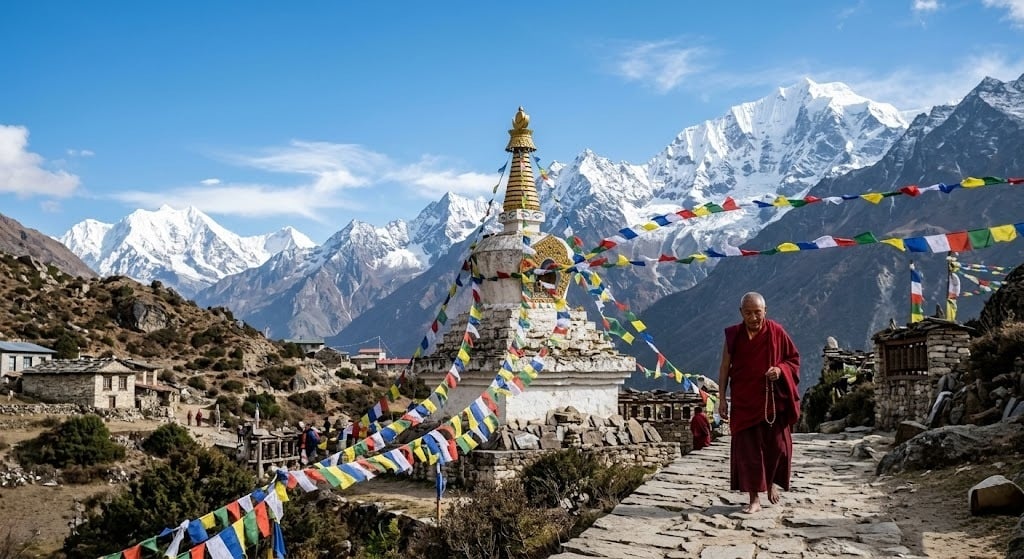
Site Significance: Swayambhunath (5th century CE) is one of the oldest religious sites in Nepal. The legend states that the Kathmandu Valley was once a lake, and a lotus flower naturally emerged at this spot—"self-originated" (svayambhu). Manjushri, the bodhisattva of wisdom, drained the lake to allow human settlement, leaving the hill as the valley's spiritual axis.
What You'll Experience:
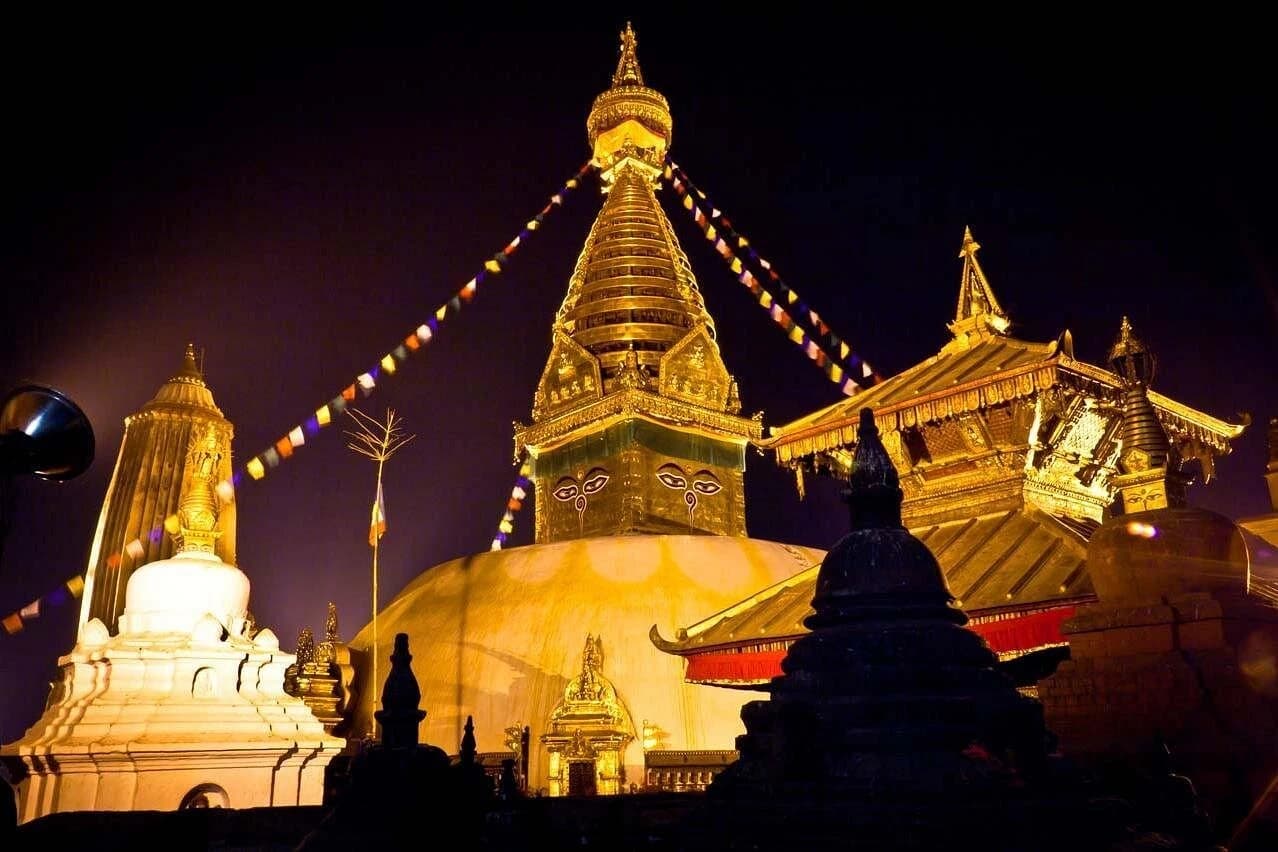
The Great Stupa: The whitewashed dome (anda) represents the primordial Buddha mind. The 13 gilded rings (harmika) symbolize the stages of enlightenment. The all-seeing eyes on each cardinal direction represent Buddha's omniscient compassion.
Vajra (Thunderbolt): The massive gilded vajra at the stupa's east entrance symbolizes the indestructible nature of enlightenment.
Harati Temple: A fascinating syncretic site — a Buddhist goddess (Harati) worshipped by Hindus as the smallpox deity, demonstrating Nepal's religious fluidity.
Morning Rituals: 8:00–9:00 AM is active prayer time. You'll see Tibetan Buddhists circumambulating with prayer wheels, Newari Hindus offering flowers at subsidiary shrines, and monkeys (hence "Monkey Temple") observing with studied indifference.
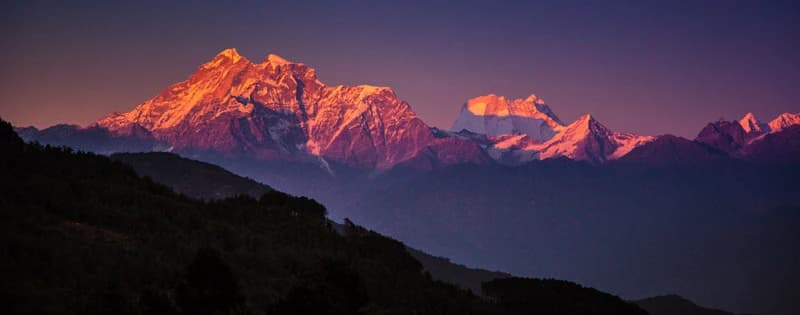
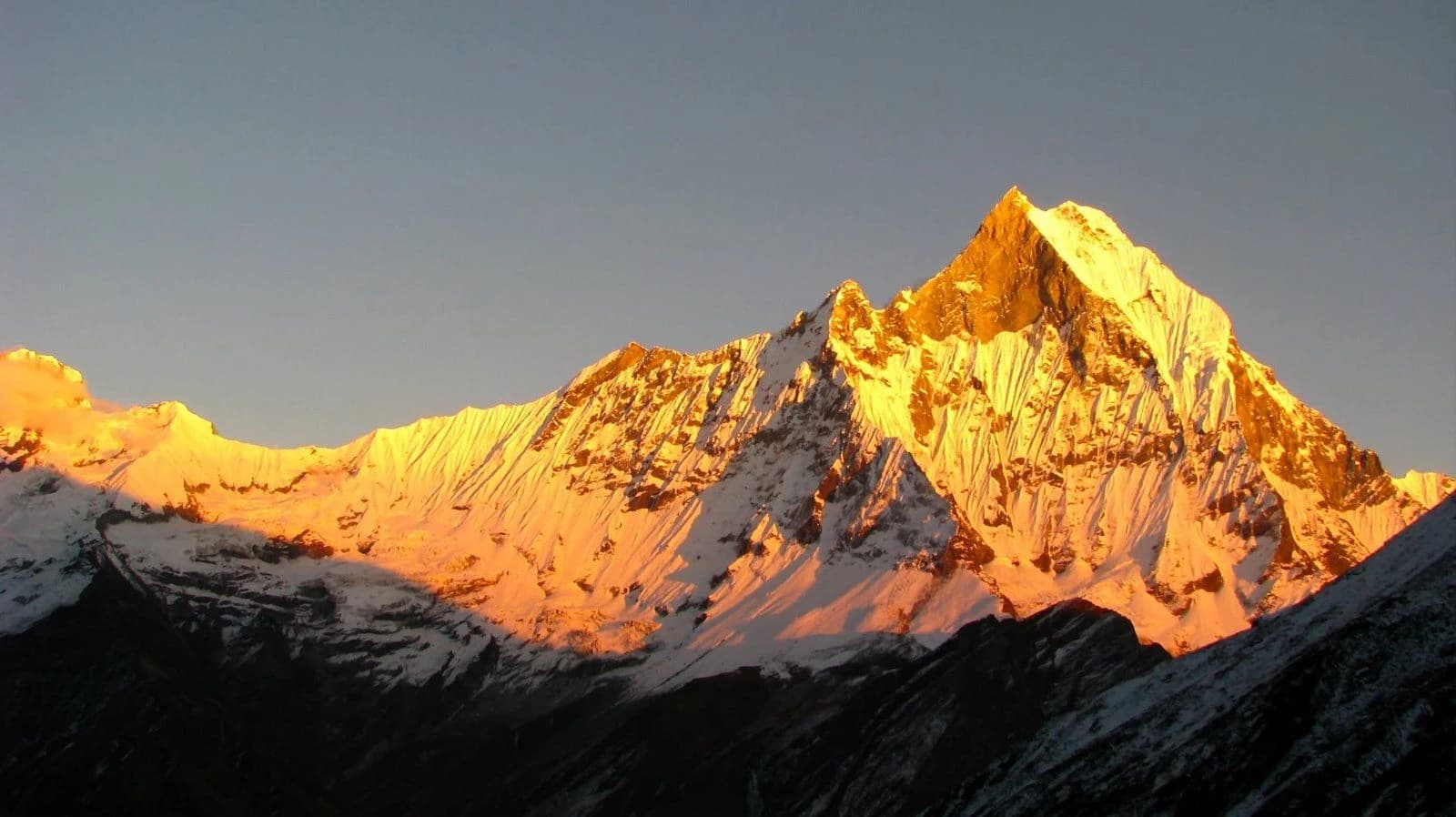
Valley View: The eastern platform offers the finest panoramic photograph of Kathmandu city — a sea of brick houses with the Himalaya visible on clear mornings.
Mid-Morning: Kathmandu Durbar Square—The Royal Heart (10:00 AM–1:00 PM)
The 15-minute drive descends from Swayambhunath's hill to the valley floor and the historic center of Kathmandu.
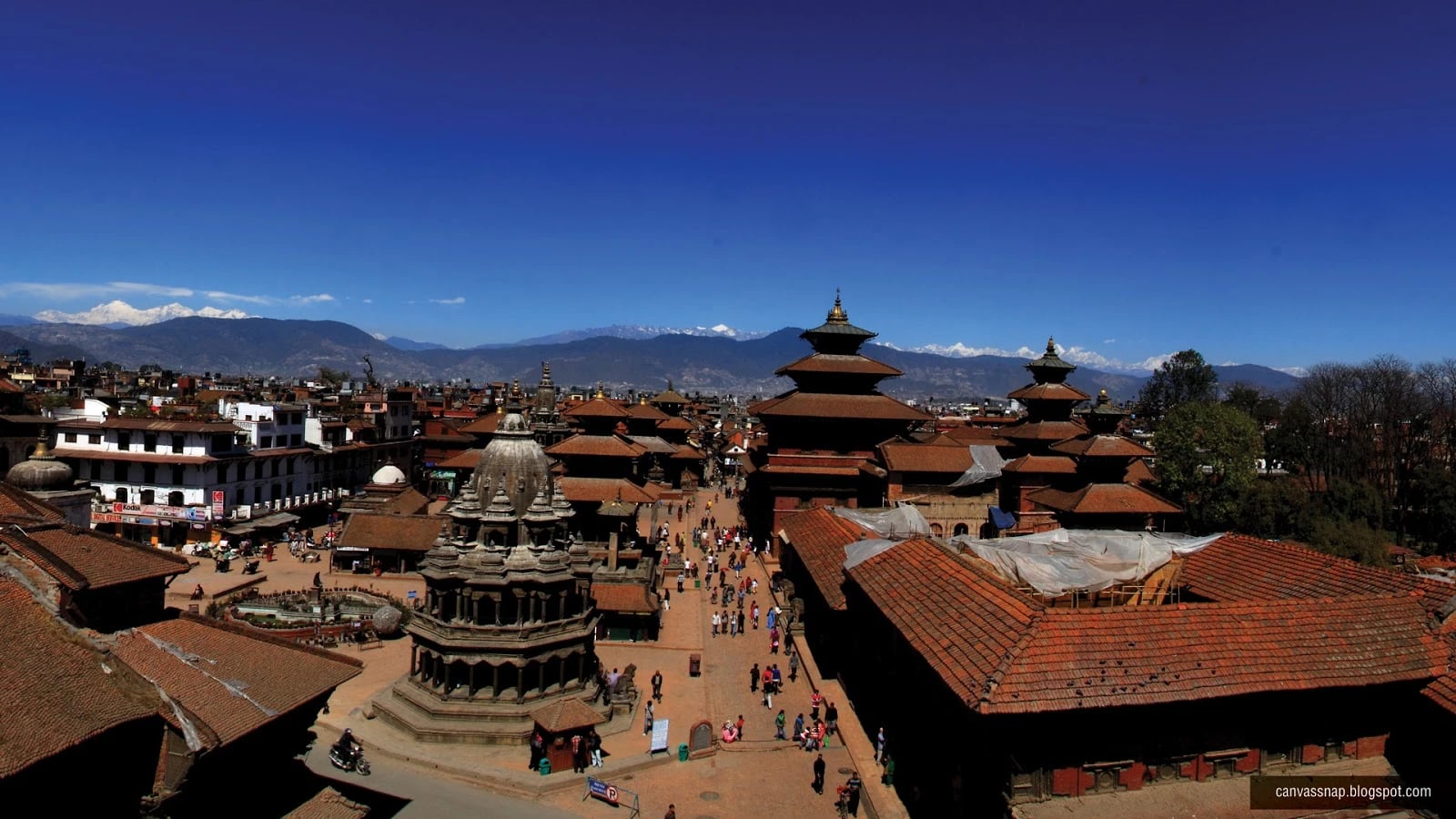
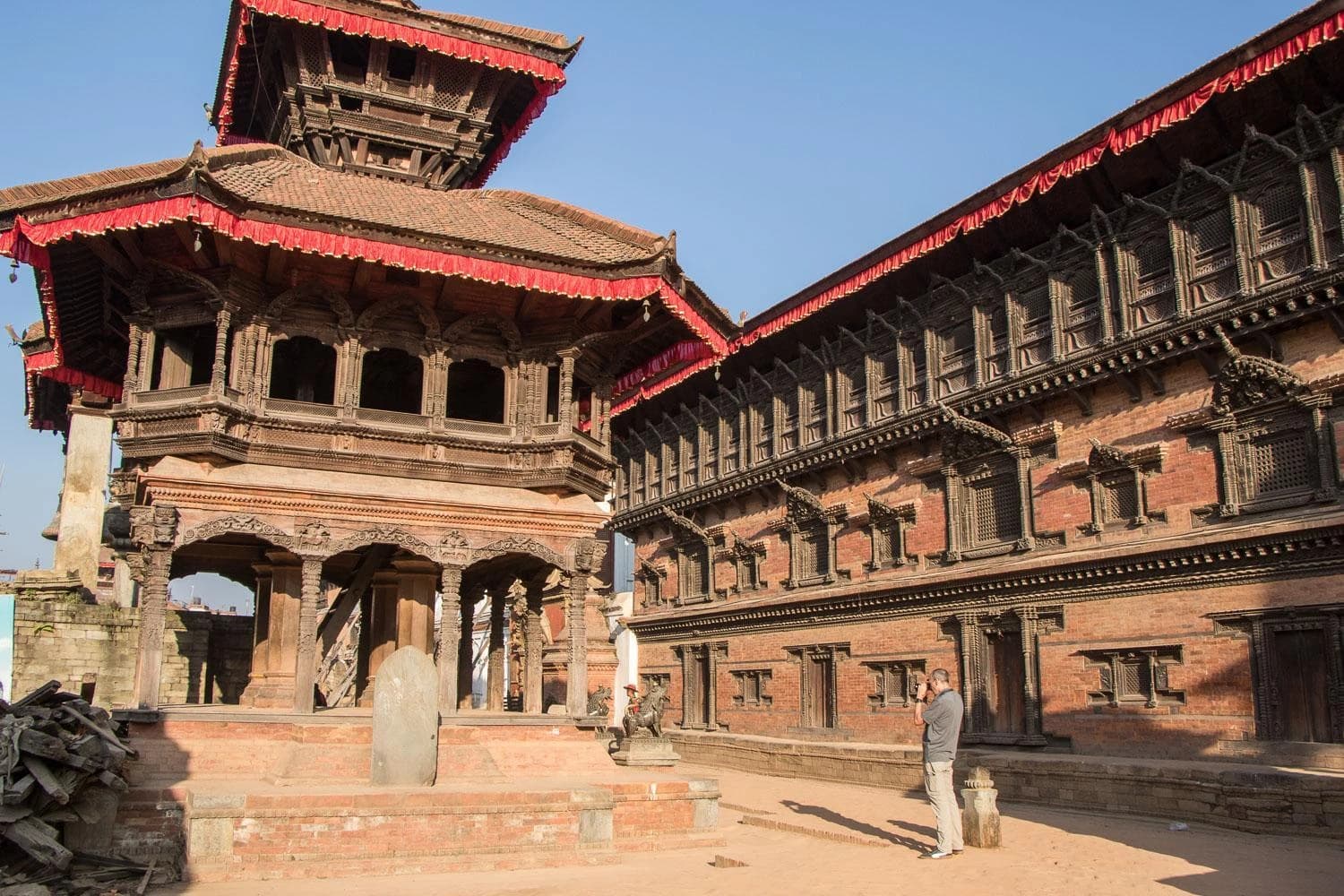
Site Significance: Kathmandu Durbar Square was the seat of the Malla kings (12th–18th centuries) and later the Shah dynasty. Despite 2015 earthquake damage, it remains the densest concentration of traditional architecture in Nepal.
Guided Walking Route:
Hanuman Dhoka Palace: The main palace complex, named for the monkey god Hanuman, whose statue guards the entrance. The Nasal Chowk (dancing courtyard) and Mul Chowk (main courtyard) demonstrate the hierarchical spatial organization of Nepalese royal architecture.
Kumari Ghar: The residence of the Living Goddess Kumari—a pre-pubescent girl selected from the Shakya caste and worshipped as the divine incarnation of Taleju. If timing aligns (typically 10:00–11:00 AM and 4:00 PM), she may appear at her window. Your guide explains the rigorous selection process, the symbolic meaning of her appearance, and the tradition's continuation despite Nepal's modernization.
Taleju Temple: The tallest structure in the square (built 1564), accessible only to Hindus but visible to all. Its 12-tiered base represents the cosmic mountain Meru.
Kal Bhairab: A massive stone relief of Shiva in his destructive aspect. Tradition holds that telling lies before this image brings instant divine punishment—it served as a medieval lie detector.
Lunch Break (1:00–2:00 PM): We recommend Thamel House Restaurant or Bhojan Griha for authentic Nepali thali — a segmented metal plate with rice, lentil soup (dal), vegetable curry, meat (optional), pickles, and yogurt.
Afternoon: Pashupatinath—The Lord of Animals (2:00–3:30 PM)
The 20-minute drive follows the Bagmati River to Nepal's most sacred Hindu site.
Site Significance: Pashupatinath is one of Hinduism's four most important Shiva temples. The current pagoda structure (1697) sits on a site of worship dating to 400 CE. For Nepalese Hindus, dying at Pashupatinath and being cremated on its ghats ensures liberation from the cycle of rebirth.
What You'll Experience:
Main Temple Complex: Non-Hindus cannot enter the inner sanctum (standard policy), but the surrounding courtyards, shrines, and riverbanks are accessible and profoundly moving.
Arya Ghat Cremations: The cremation platforms beside the Bagmati River operate continuously. Your guide explains the ritual with cultural sensitivity: the body is wrapped in orange cloth, carried on a bamboo stretcher, ritually bathed in the river, placed on a wooden pyre, and ignited by the eldest son. The ashes are swept into the river, which flows to the Ganges. This is not morbid spectacle; it is a philosophical meditation on impermanence (anicca) that underlies both Hindu and Buddhist thought.
Sadhus: The temple grounds host hundreds of sadhus (holy men)—some genuine ascetics, others supported by photography fees. Your guide identifies authentic practitioners versus commercialized performers.
Evening Aarti: If timing allows (5:30 PM), the riverfront aarti ceremony—oil lamps, bells, and chanting—is one of Kathmandu's most powerful spiritual experiences.
Late Afternoon: Boudhanath — The Cosmic Mandala (3:30–5:00 PM)
The 10-minute drive to Boudhanath places you in Nepal's Tibetan Buddhist heartland.
Site Significance: Boudhanath (14th century, though legend dates it to the 6th century) is the largest spherical stupa in Nepal and one of the largest in the world. It is the spiritual center of Tibetan Buddhism in Nepal, particularly the Nyingma and Kagyu schools.
What You'll Experience:
The Stupa: The massive white dome (representing the primordial waters) supports a gilded tower with Buddha eyes on each face. The 13 steps represent the stages to enlightenment. At the base, 108 niches contain images of the meditating Buddha.
Kora (Circumambulation): Join pilgrims walking clockwise around the stupa, spinning prayer wheels that contain millions of mantras. The kinetic energy of hundreds of simultaneous prayer wheels creates a hypnotic atmosphere.
Monastery Courtyards: The surrounding neighborhood contains 50+ Tibetan monasteries. We visit Shechen Monastery, or Ka-Nying Shedrub Ling—both feature stunning mural paintings (thangkas), butter sculpture offerings, and the resonant sound of monks chanting in assembly.
Rooftop Cafés: The stupa's surrounding buildings feature rooftop terraces with direct stupa views. An optional tea break here provides the tour's most photogenic moment—the white dome against the late afternoon sky, prayer flags snapping in the wind.
Return (5:00–5:30 PM): Drop-off at your hotel or a Thamel dinner recommendation.
What Makes This Distinctive: This is the most comprehensive single-day cultural immersion available in Nepal. The progression—Buddhist stupa → Hindu palace → Hindu cremation site → Tibetan mandala—creates a narrative arc that explains Nepal's religious complexity. No other tour covers all four sites with adequate time and expert interpretation.
Month | Temperature | Comfort for Walking | Crowd Density | Photography Light | Festival Activity | Recommendation |
|---|---|---|---|---|---|---|
January | 8–18°C | Excellent | Minimal | Crisp, directional | Low | ⭐⭐⭐⭐⭐ |
February | 10–20°C | Excellent | Low | Clear, warm tones | Shivaratri (Feb/Mar) | ⭐⭐⭐⭐⭐ |
March | 15–25°C | Very Good | Moderate | Bright, high contrast | Holi (Mar) | ⭐⭐⭐⭐ |
April | 20–30°C | Good | High | Hazy, flat | New Year (Apr) | ⭐⭐⭐ |
May | 22–32°C | Fair | High | Poor, dusty | Buddha Jayanti | ⭐⭐ |
June | 22–28°C | Fair | Low | Overcast | Low | ⭐⭐ |
July | 22–27°C | Poor (humid) | Minimal | Flat, grey | Low | ⭐⭐ |
August | 22–27°C | Poor (humid) | Minimal | Flat, grey | Janai Purnima | ⭐⭐ |
September | 20–26°C | Good | Low | Improving | Teej (Sep) | ⭐⭐⭐ |
October | 15–25°C | Excellent | Moderate | Best light of year | Dashain (Oct) | ⭐⭐⭐⭐⭐ Peak |
November | 10–20°C | Excellent | Moderate | Golden, clear | Tihar (Nov) | ⭐⭐⭐⭐⭐ Peak |
December | 8–18°C | Excellent | Minimal | Crisp, long shadows | Low | ⭐⭐⭐⭐⭐ |