6 Days / 5 Nights | Kathmandu – Manakamana – Pokhara – Jomsom – Muktinath
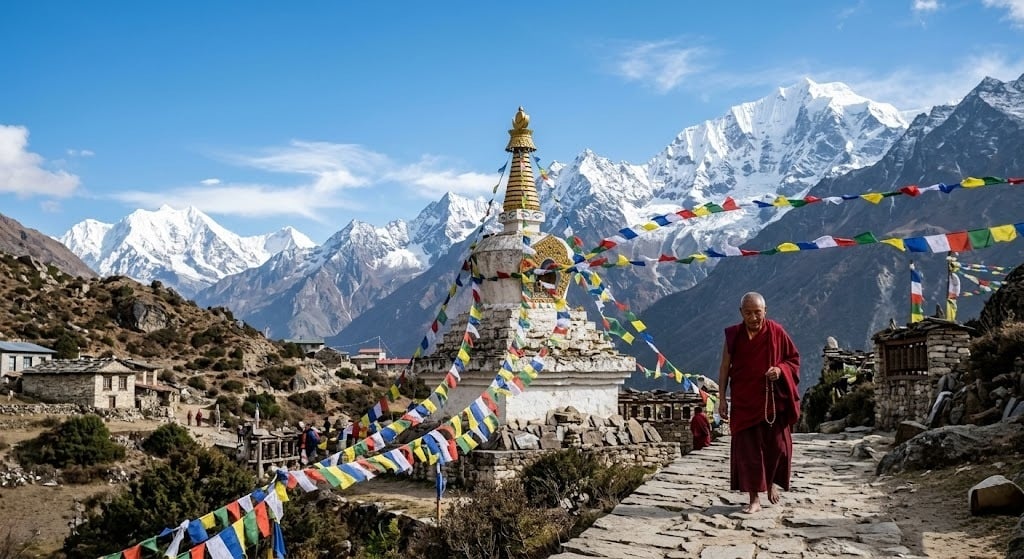
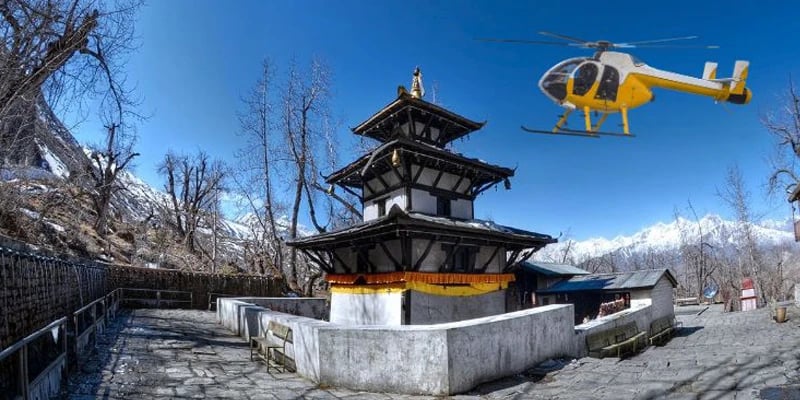
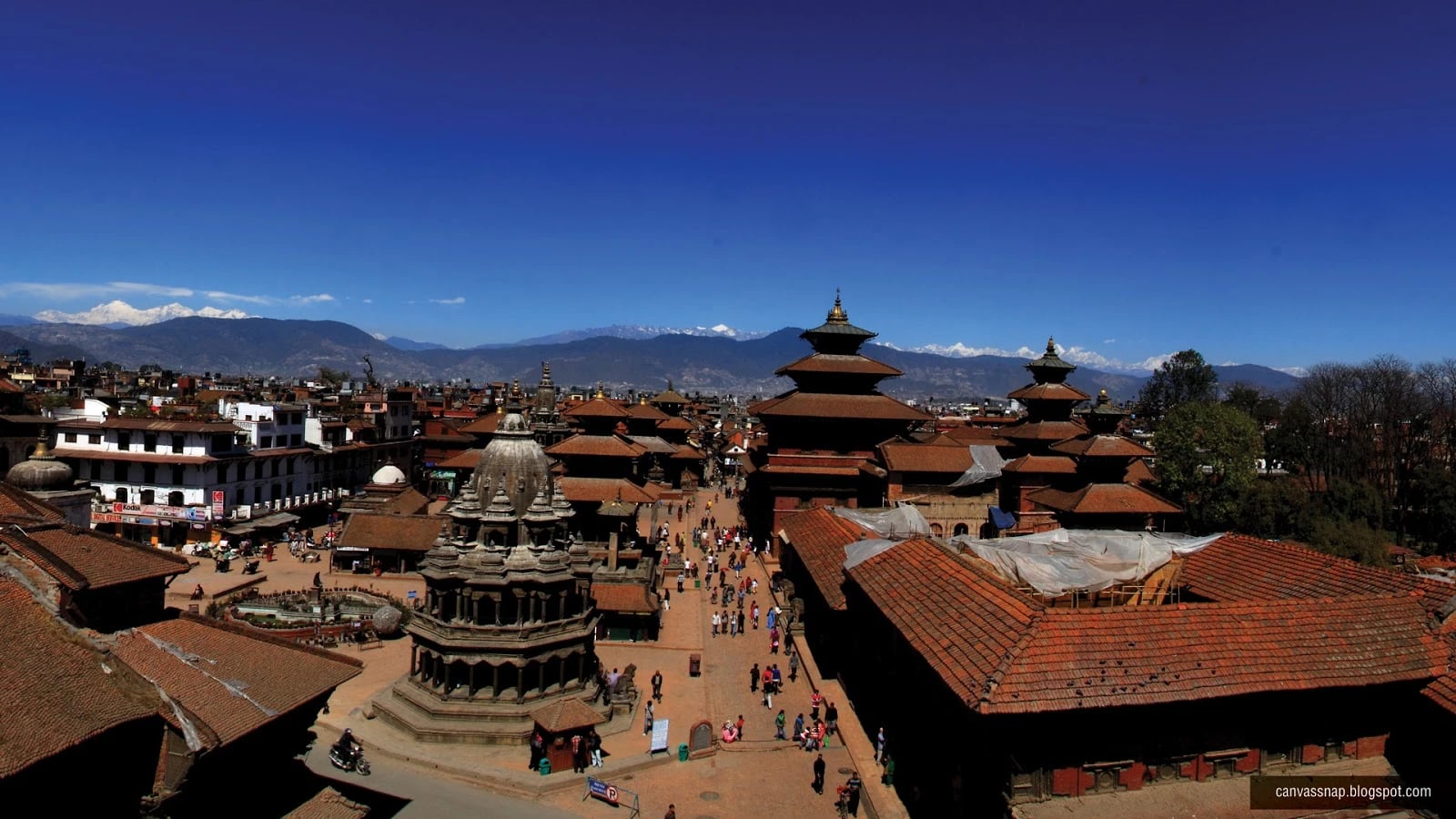
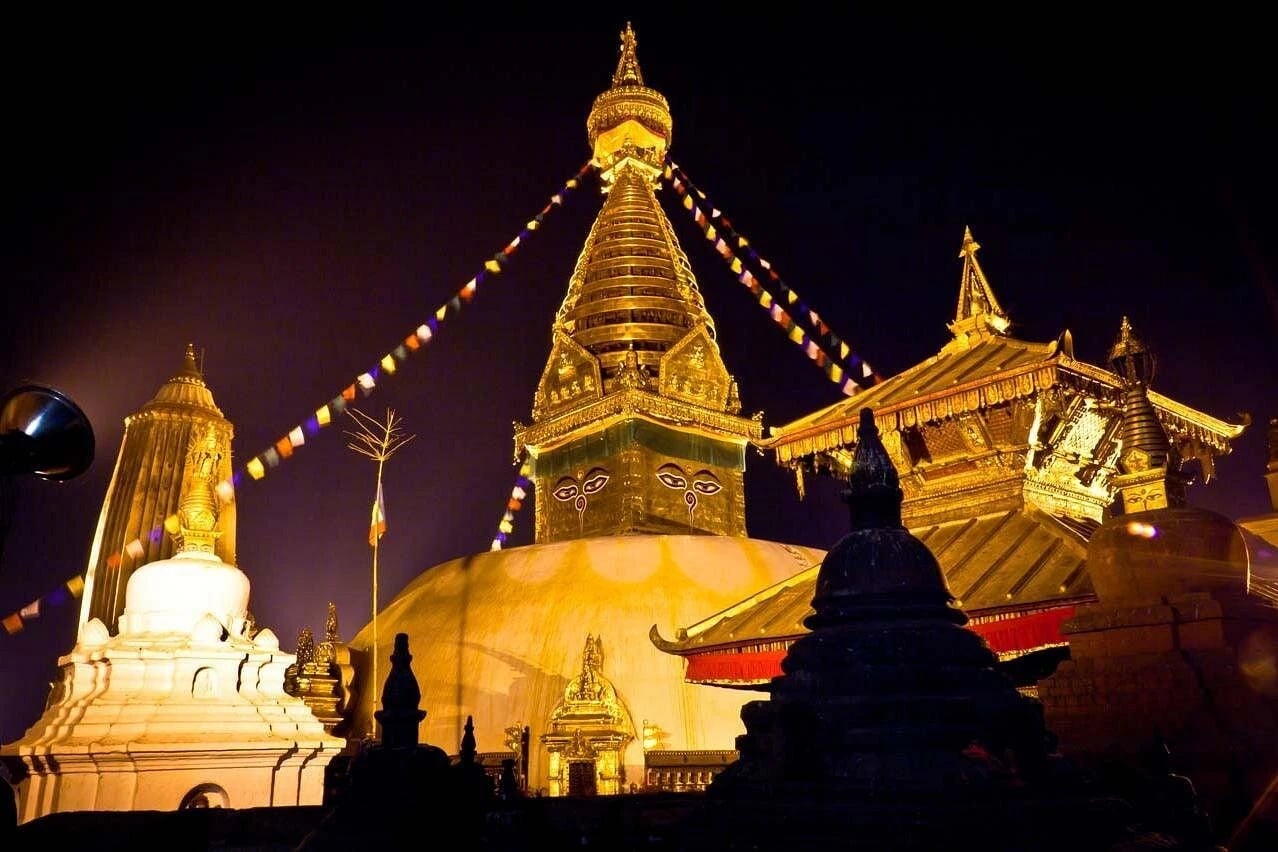
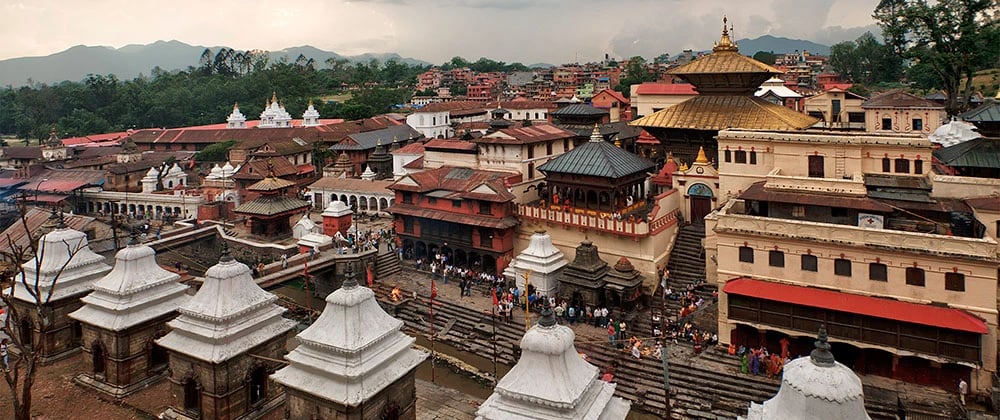
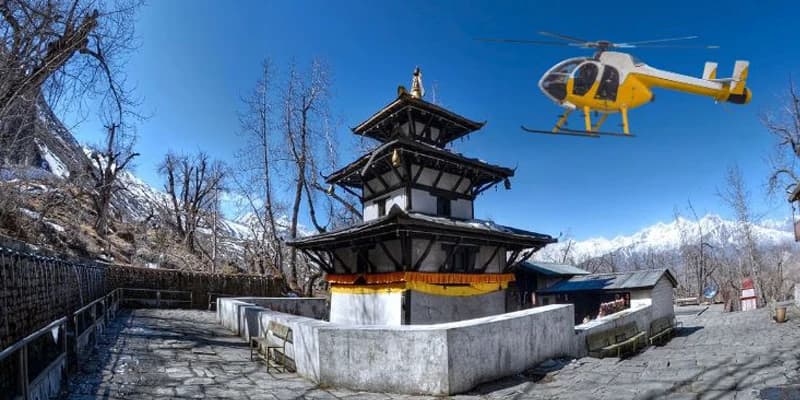
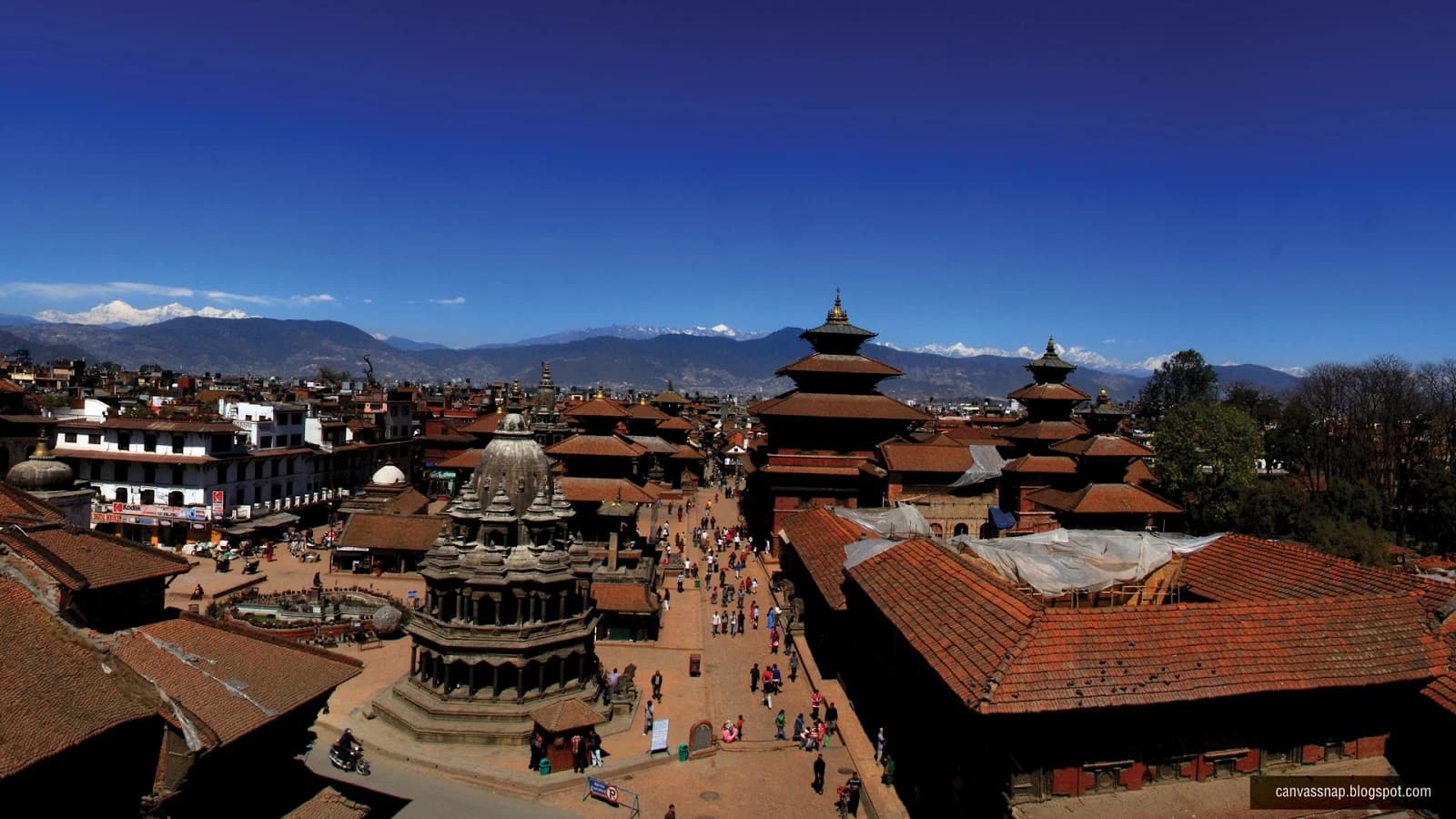
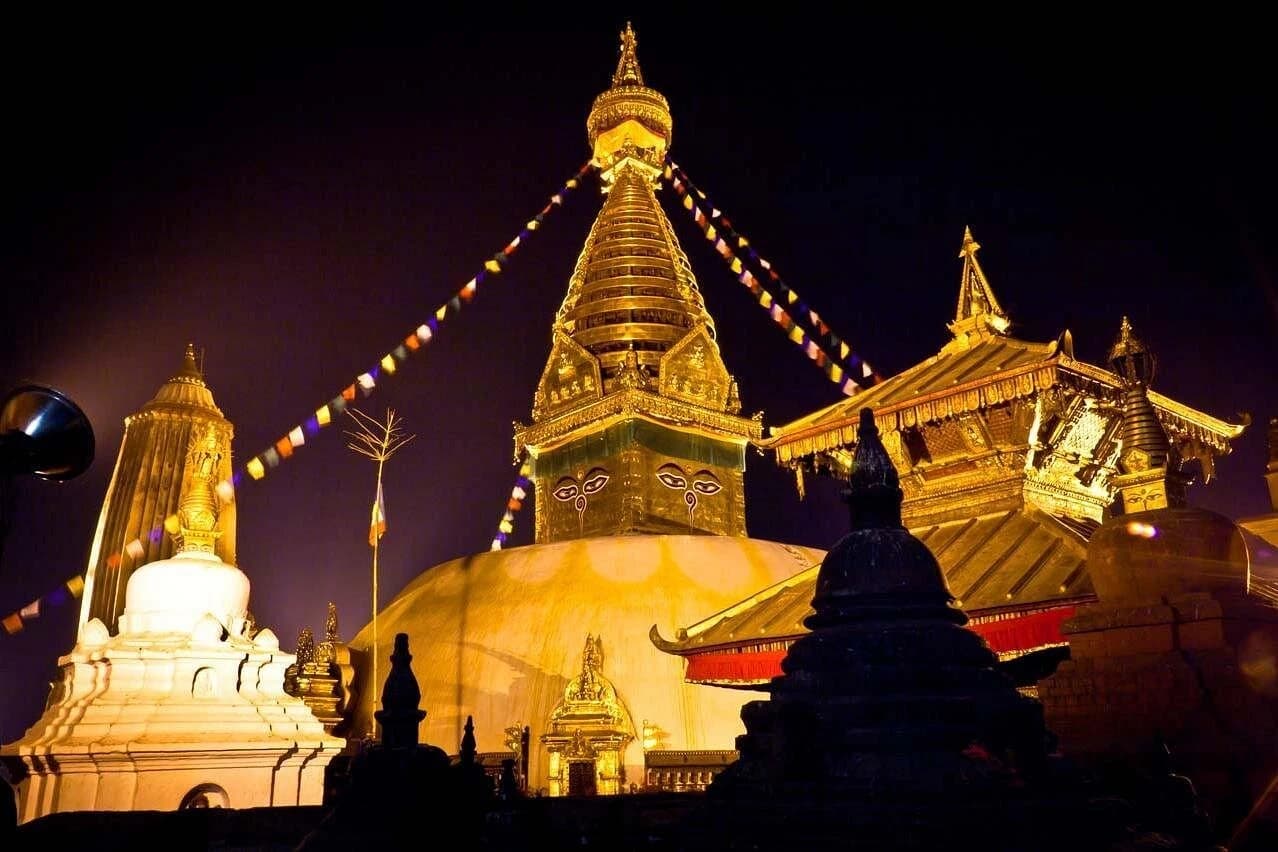
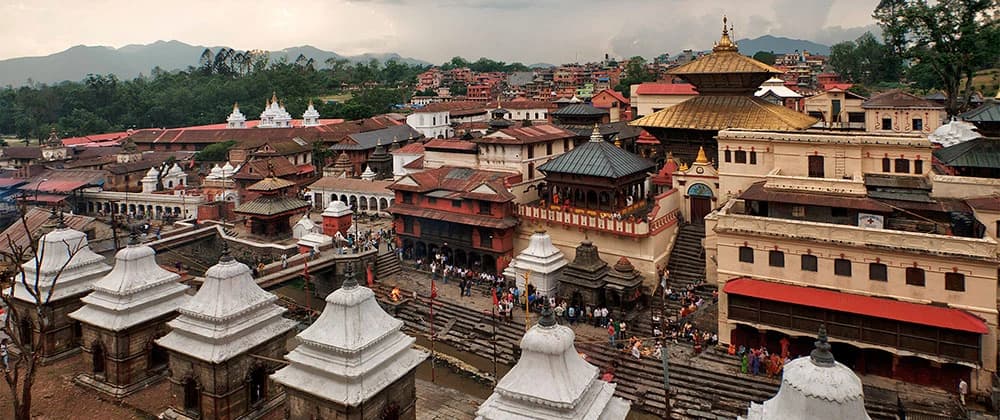
Embark on a soul-stirring Himalayan pilgrimage that blends devotion, culture, and scenery. Begin with the sacred evening Aarti at Pashupatinath Temple in Kathmandu, seek blessings at Manakamana Devi Temple en route to Pokhara, then fly to Jomsom for a spiritual darshan at Muktinath Temple (3,800 m)—sacred to both Hindus and Buddhists and home to the revered 108 water spouts. The journey continues with Pokhara's serene Fewa Lake, Devi's Fall, and Gupteshwor Cave before returning to Kathmandu to explore the UNESCO-listed Boudhanath and Swayambhunath Stupas.
Why Book This Package
One seamless, professionally coordinated yatra—hotels, flights, transfers & temple visits all handled
Comfortable pacing suited for families, seniors, and groups
Local English/Hindi-speaking guide support
Flexible planning to accommodate weather-dependent mountain flights
Pilgrimage Highlights
Seek blessings at Muktinath Temple, a high-altitude sacred site for both Hindus and Buddhists.
Attend the memorable evening Aarti at Pashupatinath Temple.
Visit Manakamana Devi Temple, Boudhanath Stupa, Swayambhunath, Jal Narayan Temple, and Tal Barahi Temple.
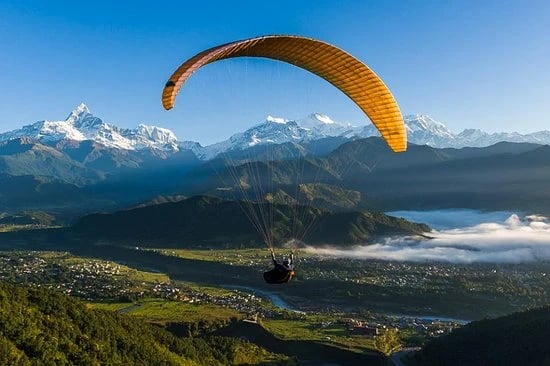
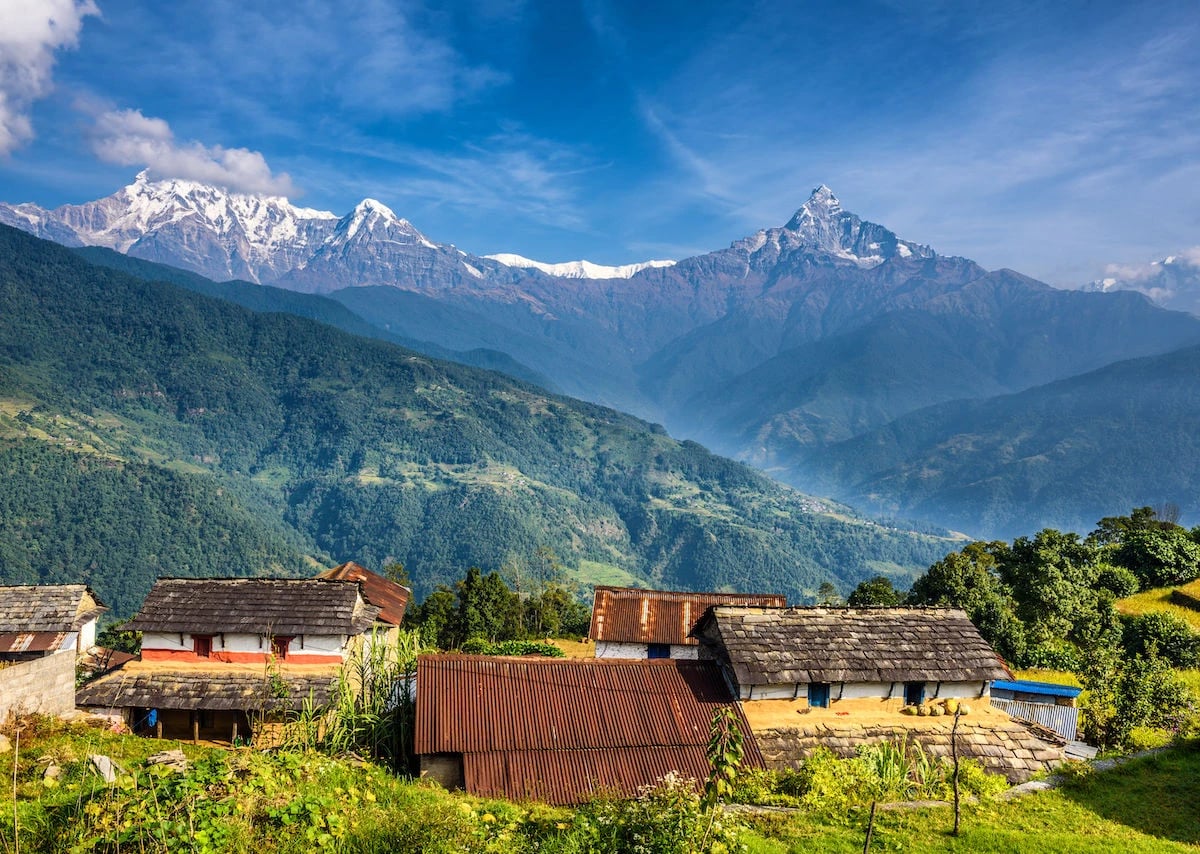
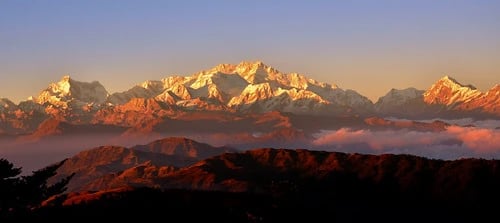
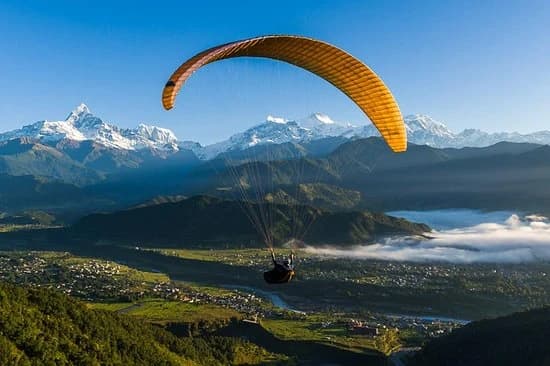
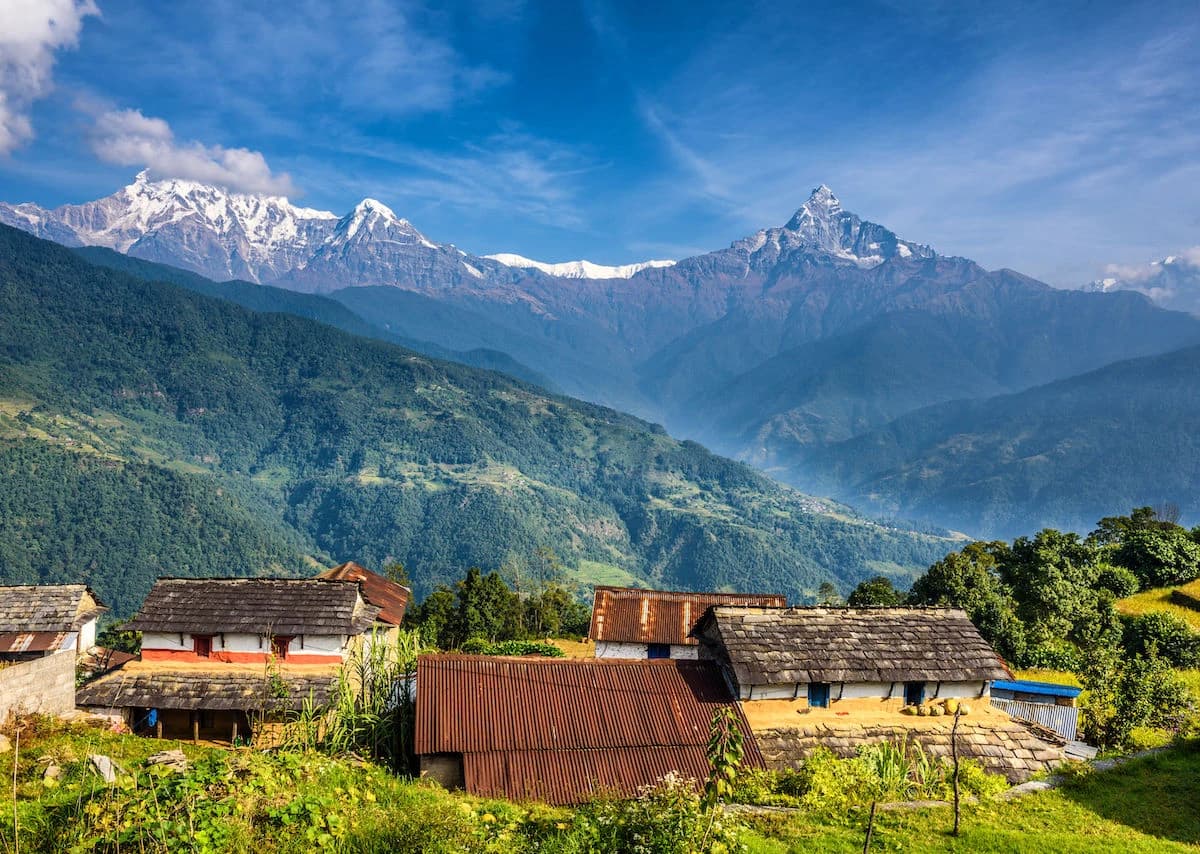
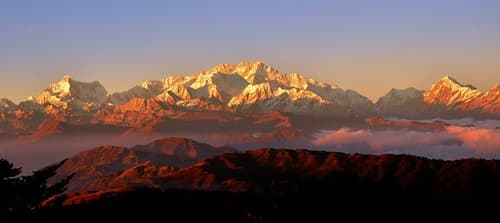
Enjoy spectacular Himalayan landscapes on the Pokhara–Jomsom route.
Experience Pokhara’s famous Fewa Lake, Devi’s Fall, and Gupteshwor Cave.
Stay in carefully selected hotels with comfortable travel arrangements.
Receive assistance from an English- or Hindi-speaking local guide or tour coordinator.
Travel in a professionally managed itinerary designed for pilgrims and families.
Best Time to Travel
October–November (peak autumn clarity) and March–May (pleasant spring) offer the best mountain views and stable travel conditions. Monsoon (Jun–Aug) and deep winter (Dec–Feb) are best avoided due to rain, flight disruptions, and extreme cold at altitude. The Muktinath route can be extremely cold, with heavy rainfall, landslide risk on mountain roads, and poor visibility with possible snow blocking access in the Mustang region.
Important Notes
Altitude: Muktinath sits at ~3,710 m—carry warm clothing and stay hydrated to avoid altitude sickness.
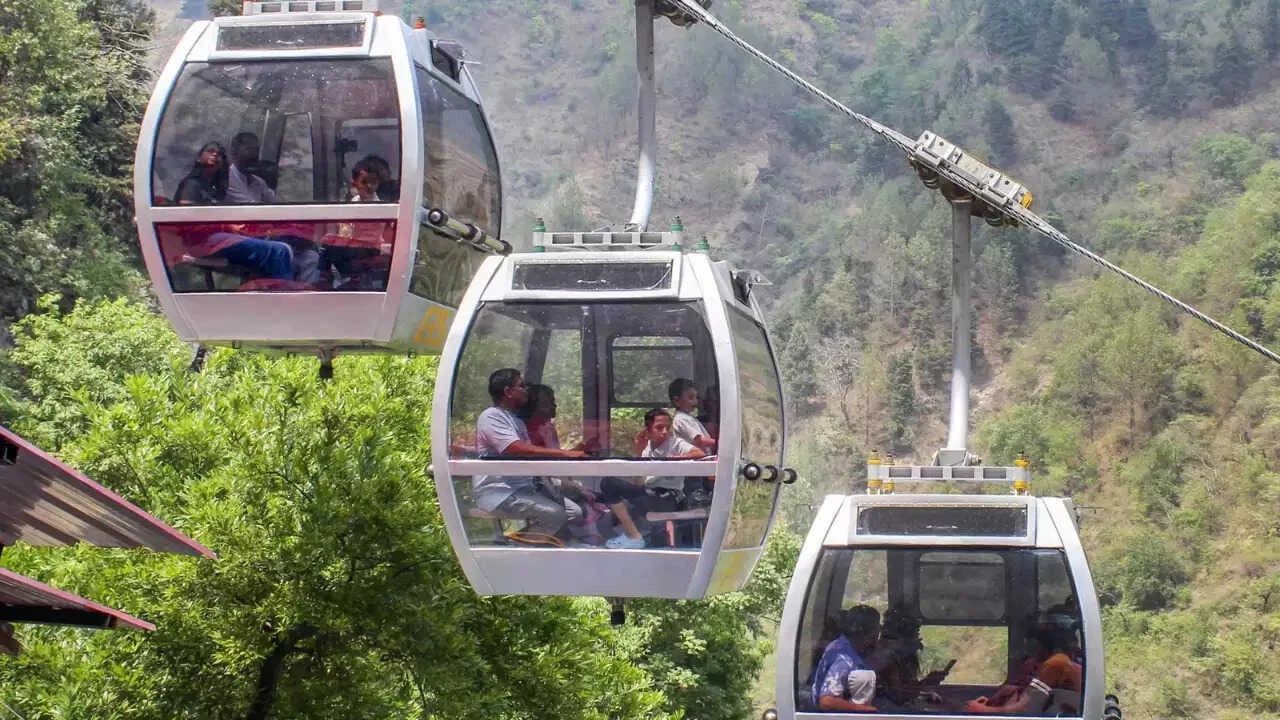
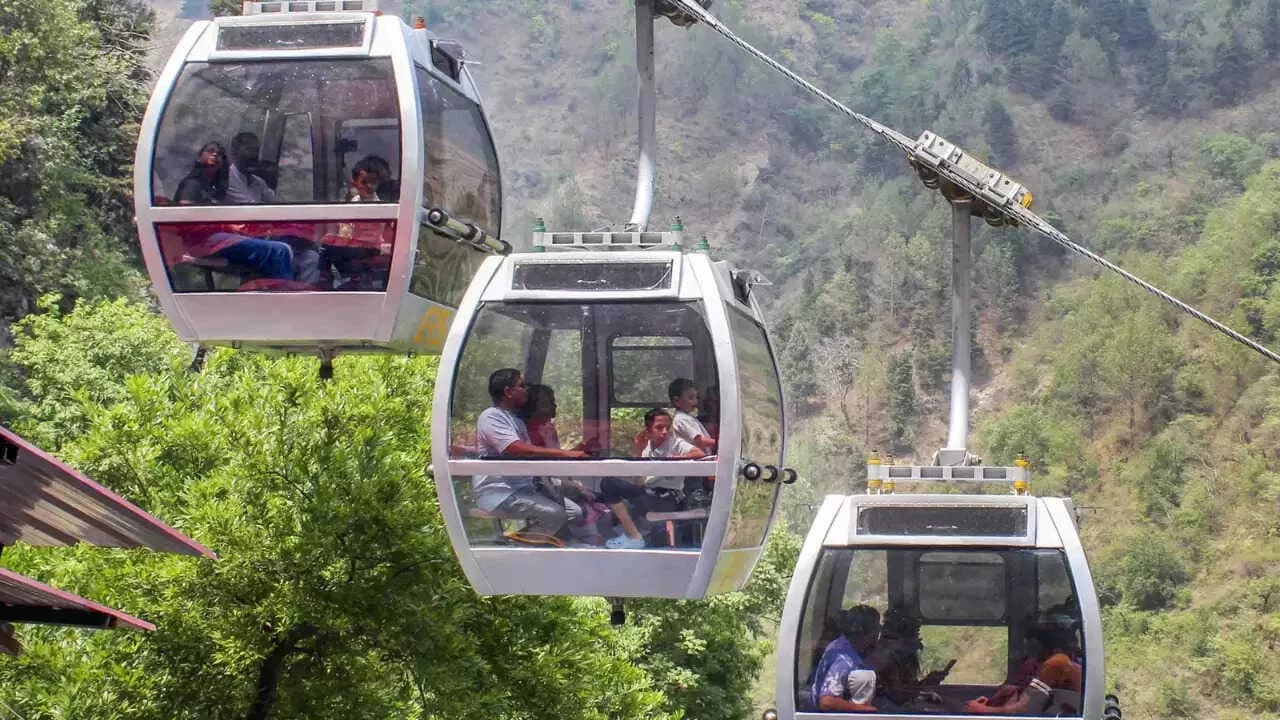
Cable Car: Manakamana is accessed via a scenic cable car ride (~10 mins); an alternative trek route is also available.
Dress Code: Modest attire is required at all temple premises; leather items are restricted at Pashupatinath.
Best Season: March–May and September–November offer the clearest views and mildest weather.
Permits: No special permits needed for these three sites, but a valid passport/ID is required for foreign nationals.
Non-Hindu Visitors: Entry to the main Pashupatinath temple sanctum is restricted to Hindus; the outer complex and ghats are open to all.
Month | Travel Conditions | Rating | Package Advice |
|---|---|---|---|
January | Very cold at Muktinath; possible snow and flight disruption | ★★☆☆☆ | Suitable only for well-prepared pilgrims |
February | Cold but gradually improving | ★★☆☆☆ | Plan with buffer days |
March | Pleasant spring begins | ★★★★☆ | Good time for comfortable yatra travel |
April | Clear, pleasant, and popular | ★★★★★ | Recommended month |
May | Warmer valleys; good pilgrimage conditions | ★★★★☆ | Recommended: book flights early |
June | Monsoon transition: weather uncertainty increases | ★★☆☆☆ | only with flexibility disclaimer |
July | Rainy travel period; possible road and flight delays | ★★☆☆☆ | Travel with condition recommended for fixed schedules |
August | Wet conditions continue, especially around Pokhara | ★★☆☆☆ | Avoid for senior groups where possible |
September | Conditions improve after the monsoon. | ★★★★☆ | Good option: monitor weather |
October | Clear skies and strong mountain views | ★★★★★ | Best overall month |
November | Stable weather and comfortable daytime conditions | ★★★★★ | Best overall month |
December | Cold, quieter, and potentially snowy | ★★☆☆☆ | Suitable for prepared travellers only |