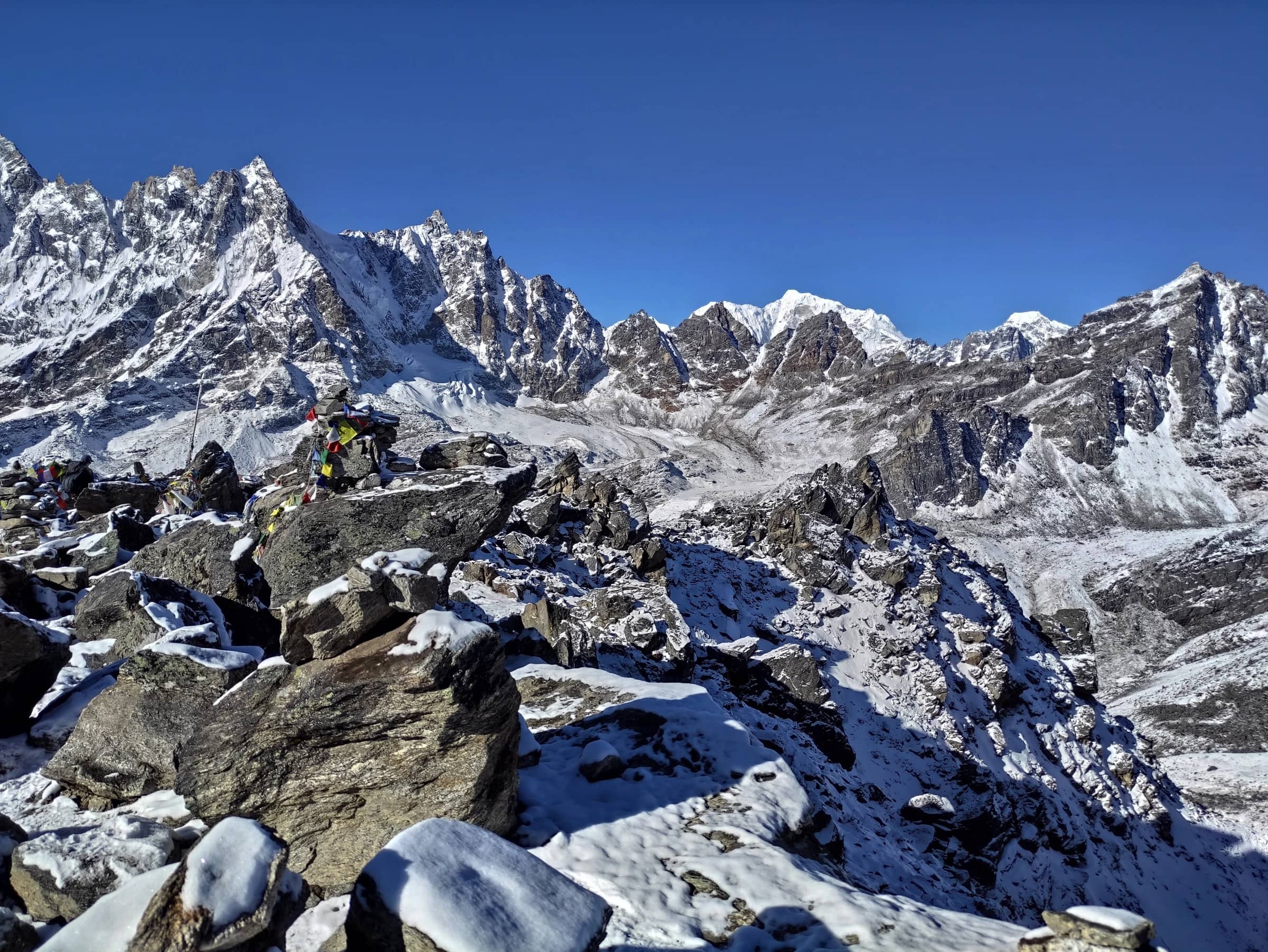
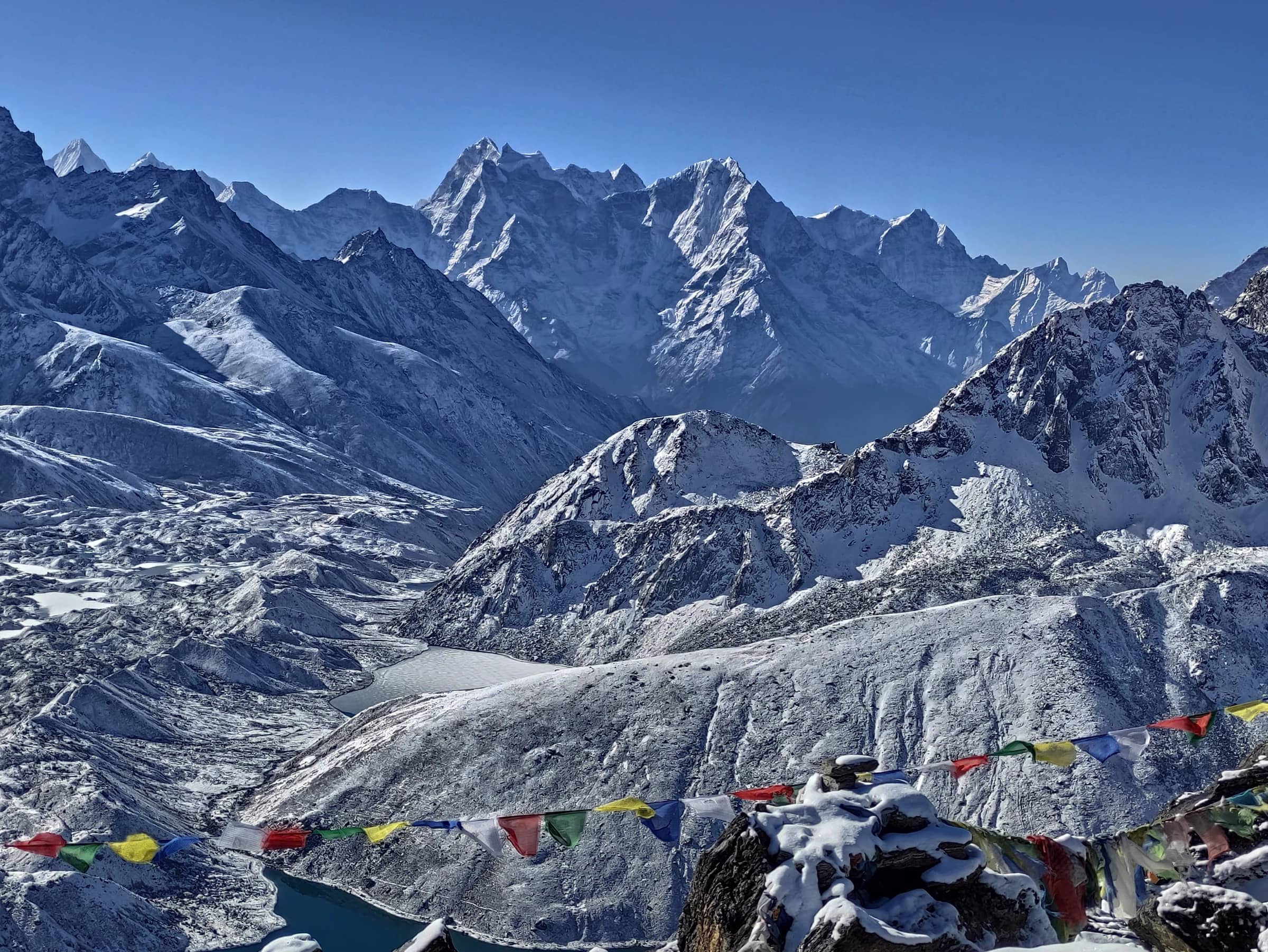
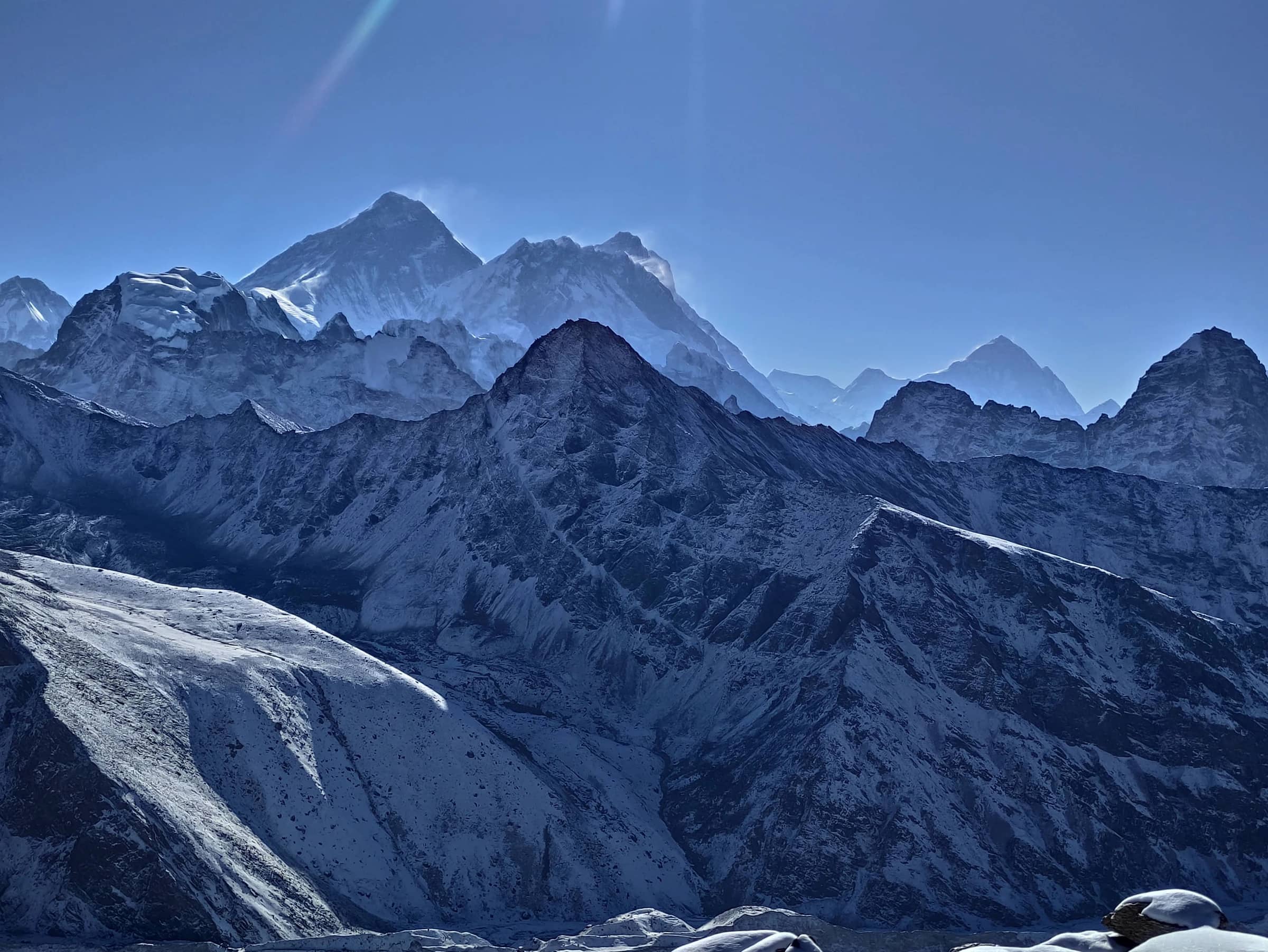
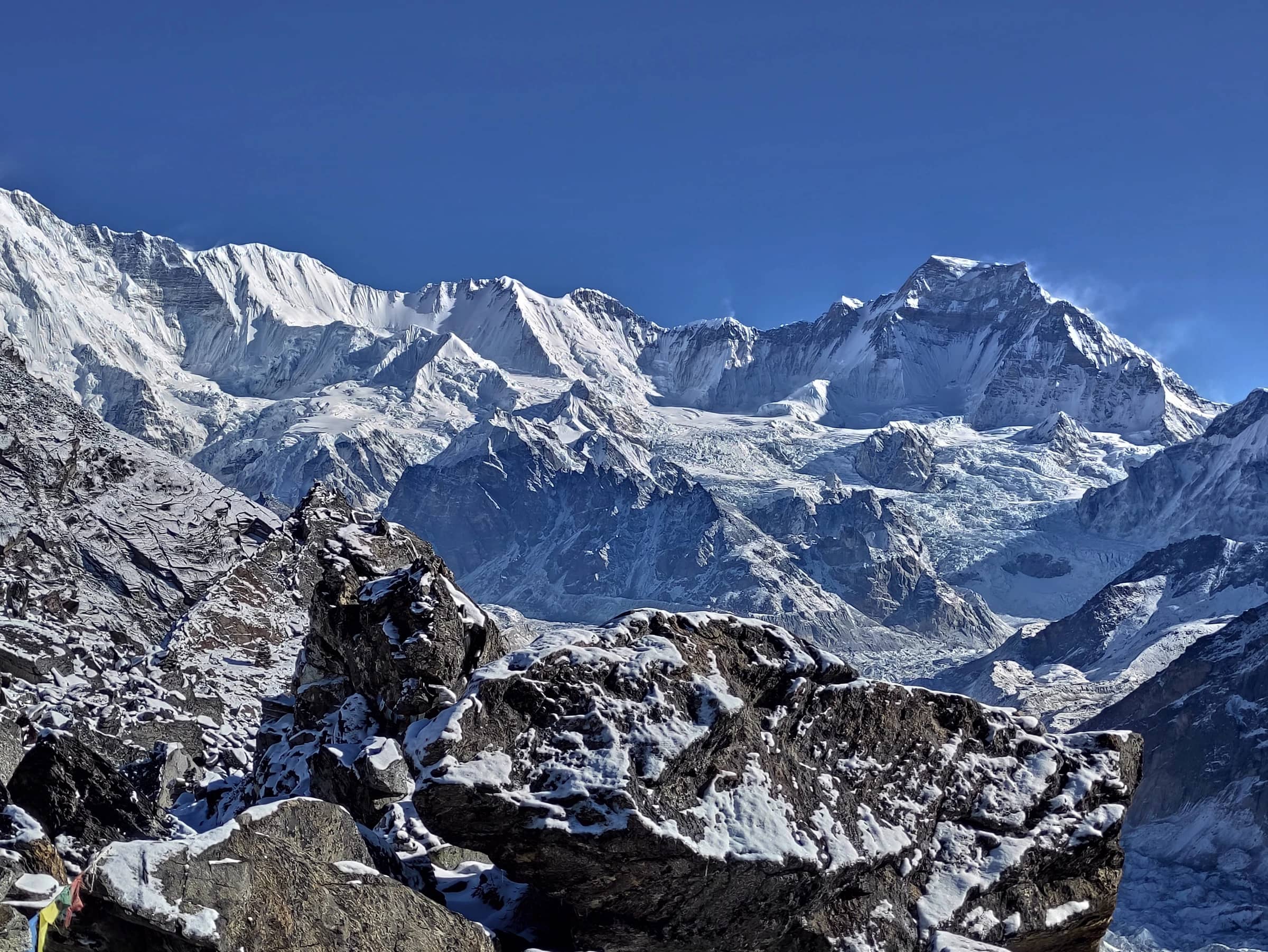
The Everest Base Camp via Kala Patthar Trek is one of Nepals iconic journeys, in the Himalayas. This trek takes you into the Khumbu region following scenic mountain paths through traditional Sherpa villages, river valleys, alpine scenery and glacial fields. Along the way you will reach Everest Base Camp. Walk to Kala Patthar, a famous viewpoint that shows breathtaking sights of Mount Everest and the surrounding Himalayan peaks.
The trek happens in the Solukhumbu district in the part of Nepal inside the Everest area. It starts with a flight from Kathmandu to Lukla. The path goes along the Dudh Koshi River valley passing through Phakding and Namche Bazaar. Then it goes up towards Tengboche, Dingboche and Lobuche. After that the trail goes to Gorak Shep and Everest Base Camp. Then there is a morning walk to Kala Patthar. The way back goes down through Pheriche, Namche Bazaar and Lukla. Finally there is a flight, to Kathmandu.
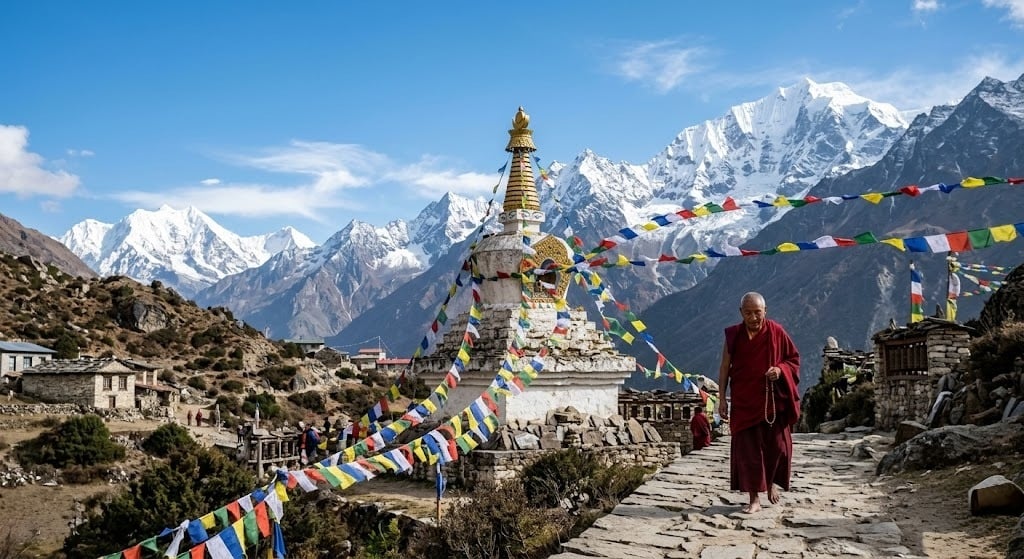
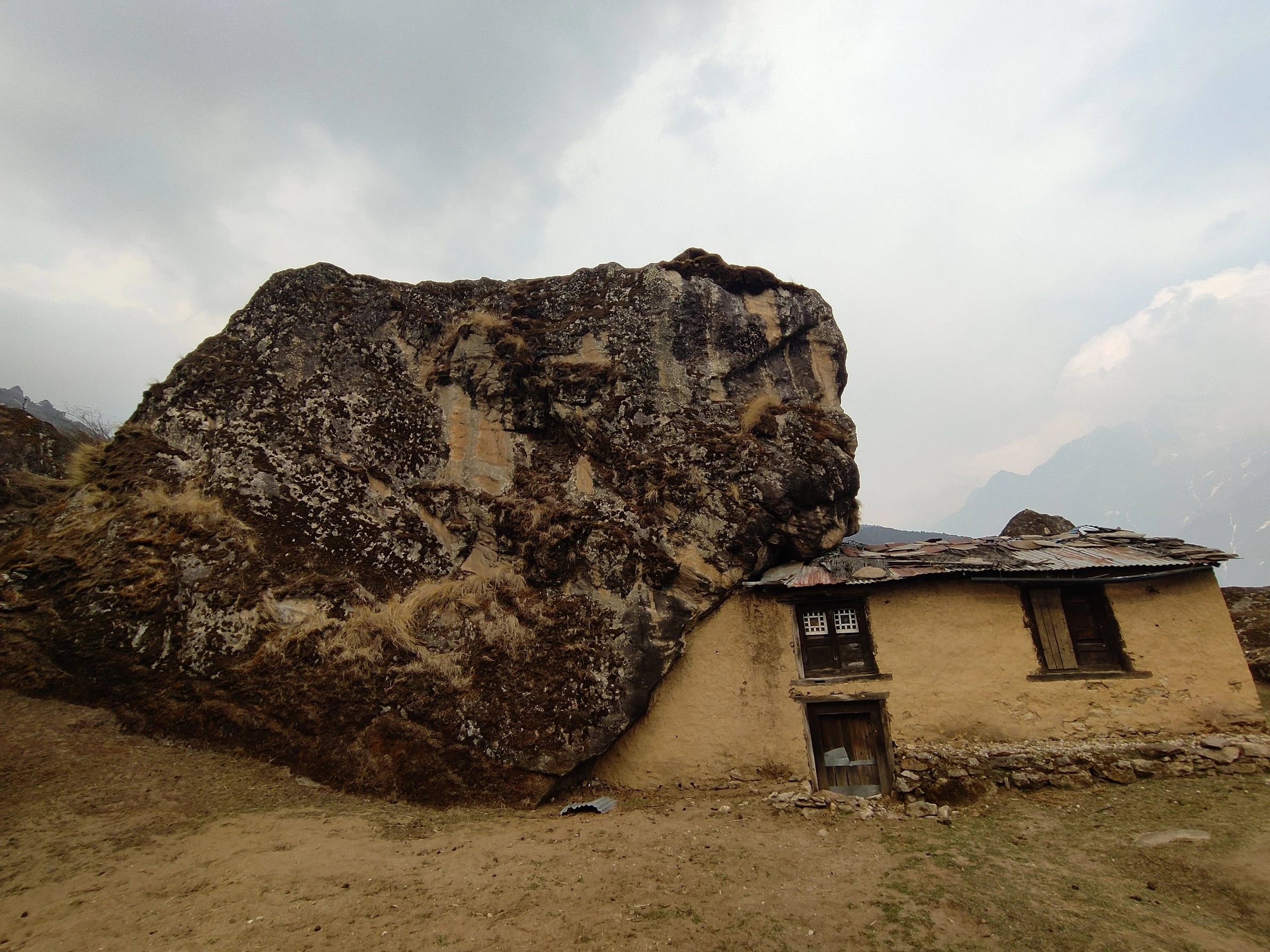
The Everest region is known for its mountain views, traditional Sherpa villages, Buddhist monasteries and friendly teahouses. On the trek you will cross suspension bridges walk through forests pass small stone villages and explore more rugged alpine areas. The trip also gives you a chance to see Sherpa traditions and visit cultural sites, like Tengboche Monastery. As you go higher the views open up to include Everest Ama Dablam, Lhotse, Nuptse and other big Himalayan peaks.
The Everest Base Camp via Kala Patthar Trek gives a mix of natural beauty, cultural discovery and personal achievement. Reaching Everest Base Camp brings the traveler close to the mountaineering destination while the climb to Kala Patthar rewards the traveler with a remarkable view of the surrounding Himalayan giants. With acclimatization stops and a gradual return through the Khumbu region this journey is a rewarding choice, for trekkers who seek a classic Everest adventure.
Main Highlights of the Everest Base Camp Trek
Enjoy a scenic mountain flight from Kathmandu to Lukla.
Trek through Phakding and the beautiful Dudh Koshi River valley.
Explore Namche Bazaar, the main trading centre of the Khumbu region.
Spend acclimatization days in Namche Bazaar and Dingboche.
Visit Tengboche Monastery and experience Himalayan Buddhist culture.
Walk through Dingboche, Lobuche and the dramatic landscapes of the upper Khumbu.
Reach Everest Base Camp at approximately 5,364 m.
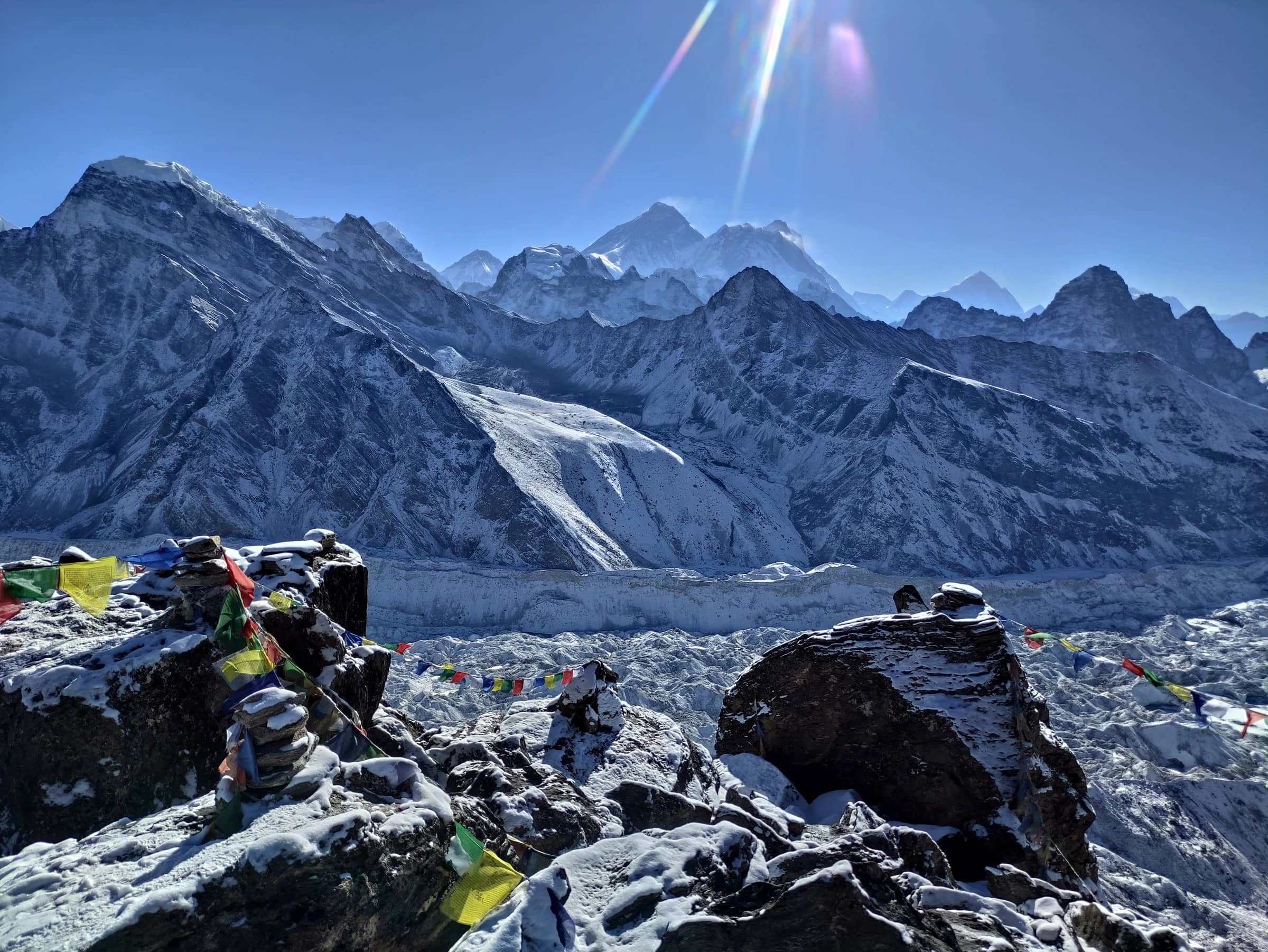
Hike to Kala Patthar for panoramic views of Mount Everest and surrounding peaks.
Experience traditional Sherpa villages and mountain hospitality.
Return through Pheriche, Namche Bazaar and Lukla after completing the trek.
Trekking Route
Kathmandu → Lukla → Phakding → Namche Bazaar → Acclimatization in Namche → Tengboche → Dingboche → Acclimatization in Dingboche → Lobuche → Gorak Shep → Everest Base Camp → Kala Patthar → Pheriche → Namche Bazaar → Lukla → Kathmandu
The Everest Base Camp Trek begins in Kathmandu with a flight to Lukla. After arriving in Lukla the trek starts to Phakding. Then climbs slowly toward Namche Bazaar. At Namche Bazaar the trek stops for acclimatization. From Namche Bazaar the trail goes through Tengboche and Dingboche before reaching Lobuche. The route then goes to Gorak Shep and Everest Base Camp. After reaching Everest Base Camp the trek continues with an early morning climb to Kala Patthar for mountain views. The return journey of the Everest Base Camp Trek goes down through Pheriche and Namche Bazaar. Finally the trek ends in Lukla, where the flight takes you back, to Kathmandu.
Major Destinations and Attractions
Lukla: Lukla is the main gateway to the Everest region for many trekkers. The mountain flight offers dramatic Himalayan scenery when the weather is clear, and the town marks the beginning and end of the trekking section.
Phakding: Phakding is a peaceful mountain village beside the Dudh Koshi River. Its forested surroundings, traditional settlements and suspension bridges make it a pleasant first stop on the journey.
Namche Bazaar: Namche Bazaar is a lively Sherpa settlement surrounded by mountains. It offers teahouses, shops, bakeries, cultural attractions and beautiful views of the Khumbu region. Its location also makes it an important acclimatization stop.
Tengboche: Tengboche is known for its famous Buddhist monastery and its magnificent Himalayan setting. It is one of the most memorable cultural stops along the Everest Base Camp route, with beautiful views of Ama Dablam and surrounding peaks.
Dingboche: Dingboche is a traditional mountain village surrounded by alpine landscapes and stone walled fields. The additional acclimatization day here provides time to adjust to the higher altitude before continuing towards Lobuche.
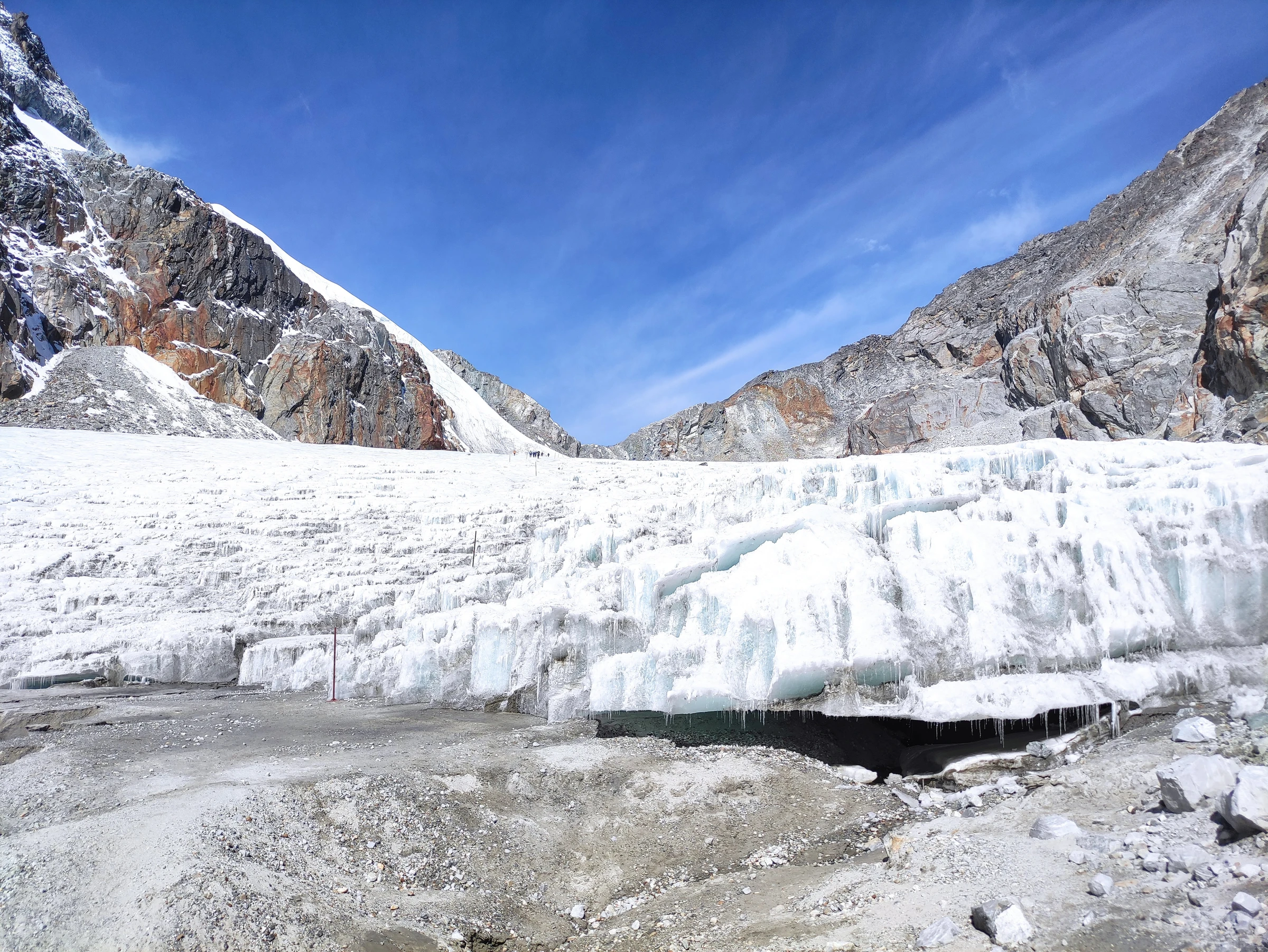
Lobuche: Lobuche is an important overnight stop before Gorak Shep and Everest Base Camp. The landscape becomes increasingly rugged, with glaciers, rocky slopes and dramatic views of the surrounding mountains.
Gorak Shep: Gorak Shep is the final settlement used as a base for visiting Everest Base Camp and hiking to Kala Patthar. Located at high altitude, it offers basic mountain accommodation and access to the upper Khumbu trails.
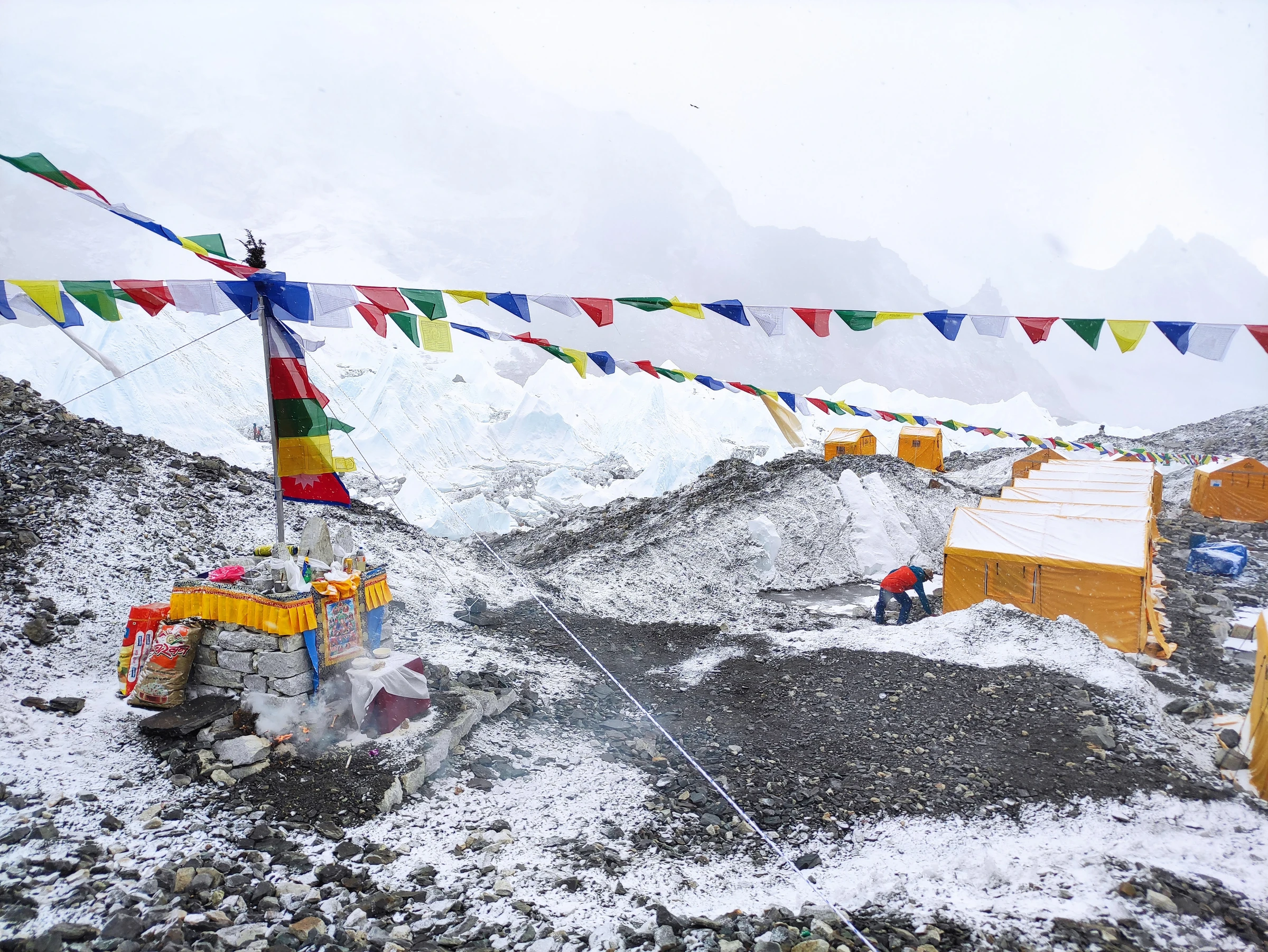
Everest Base Camp: Everest Base Camp is one of the most famous trekking destinations in the world. Located beside the Khumbu Glacier, it offers an extraordinary sense of the scale of Himalayan mountaineering and the rugged landscape surrounding the world's highest mountain.
Kala Patthar: Kala Patthar is a renowned viewpoint above Gorak Shep. Its elevated position offers some of the most celebrated views of Mount Everest, Nuptse, Pumori and the surrounding Himalayan peaks. Early morning is a popular time to climb for changing light across the mountains.
Pheriche: Pheriche is a mountain settlement in the Khumbu region and an important stop on the return route. Its lower elevation compared with Gorak Shep provides a welcome opportunity to descend and rest after the high altitude section.
Mountain Views
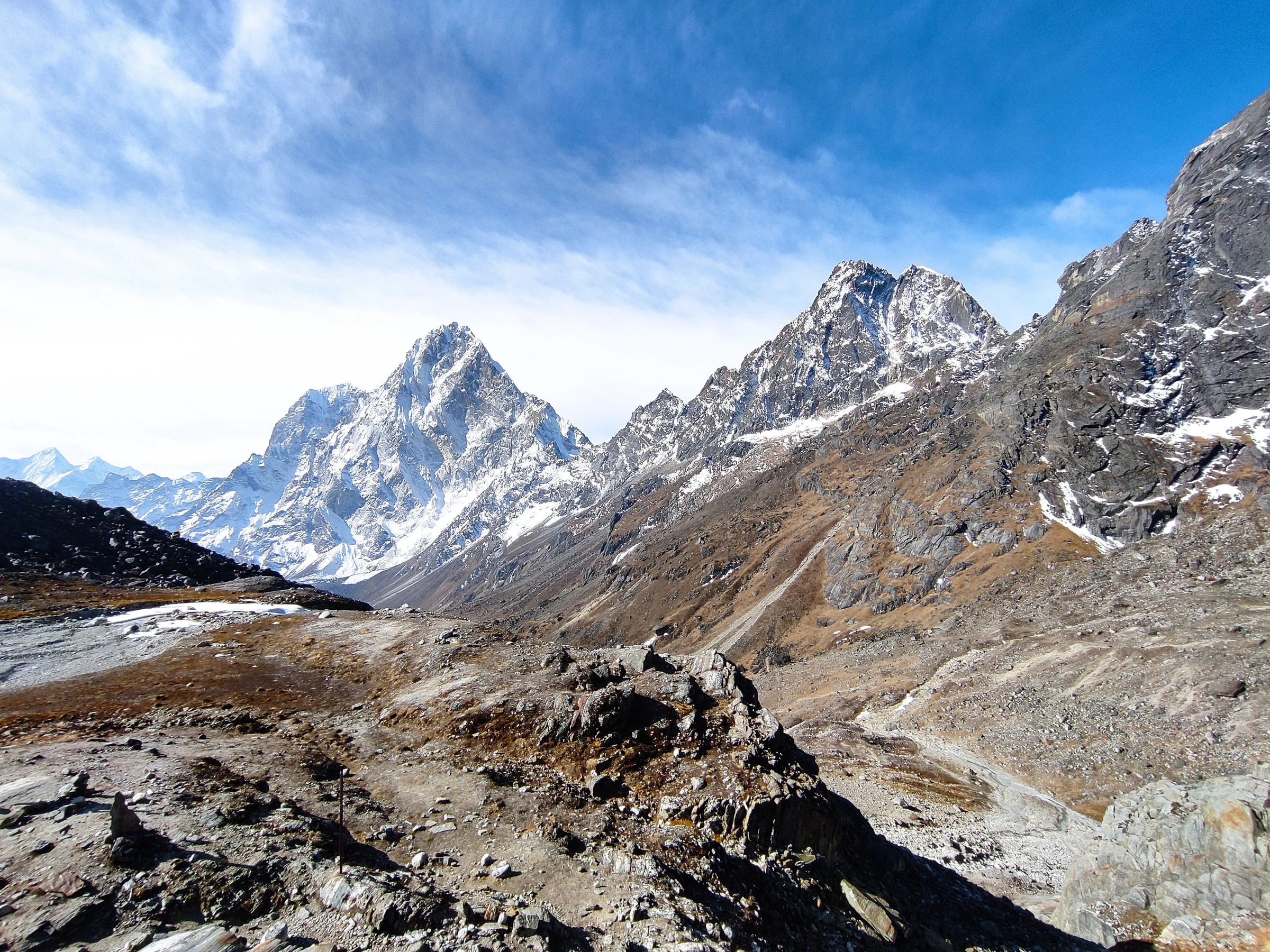
The trek provides opportunities to enjoy views of several famous Himalayan peaks. Visibility depends on the weather and the viewpoints visited.
Mount Everest: The world's highest mountain, rising to 8,848.86 m.
Lhotse: A major Himalayan peak near Mount Everest, reaching 8,516 m.
Nuptse: A dramatic mountain near Everest, reaching approximately 7,861 m.
Ama Dablam: A distinctive and beautiful Himalayan peak, approximately 6,812 m high.
Pumori: A striking mountain visible from the upper Khumbu region, approximately 7,161 m high.
Thamserku: A prominent Himalayan peak visible from several parts of the trekking route.
Cho Oyu: One of the world's highest mountains, visible from selected viewpoints in the wider Everest region when conditions allow.
Trek Facts
Everest Base Camp Experience: The trek takes you to the famous base camp used by mountaineering expeditions attempting Mount Everest.
Kala Patthar Viewpoint: The hike to Kala Patthar is a major highlight, providing exceptional views of Everest and neighbouring peaks.
Two Acclimatization Days: The itinerary includes planned acclimatization stops in Namche Bazaar and Dingboche.
Sherpa Cultural Heritage: The route passes through communities shaped by Sherpa traditions, Buddhist culture and mountain life.
High Altitude Trekking: The journey reaches elevations above 5,000 m, requiring preparation, gradual pacing and attention to altitude symptoms.
Scenic Mountain Flights: Flights to and from Lukla are weather dependent, making flexibility an important part of trip planning.
Why Trek to Everest Base Camp via Kala Patthar?
The Everest Base Camp via Kala Patthar Trek is a choice, for travellers who want to see the iconic landscapes of the Everest region and to reach the rewarding goal of reaching Everest Base Camp. This route mixes villages, Buddhist culture, mountain panoramas and dramatic glacial scenery into one memorable journey that takes you straight to Everest Base Camp.
The acclimatization stops in Namche Bazaar and Dingboche give you chances to rest and explore the surroundings before you move to elevations. The visit to Everest Base Camp brings you into the heart of the region’s mountaineering history while Kala Patthar offers a viewpoint, for watching Mount Everest and the surrounding Himalayan peaks.
For travellers who want a Himalayan trekking experience this journey offers a meaningful balance of adventure, cultural discovery and natural beauty.
Best Season for the Everest Base Camp Trek
Spring Season: March to May
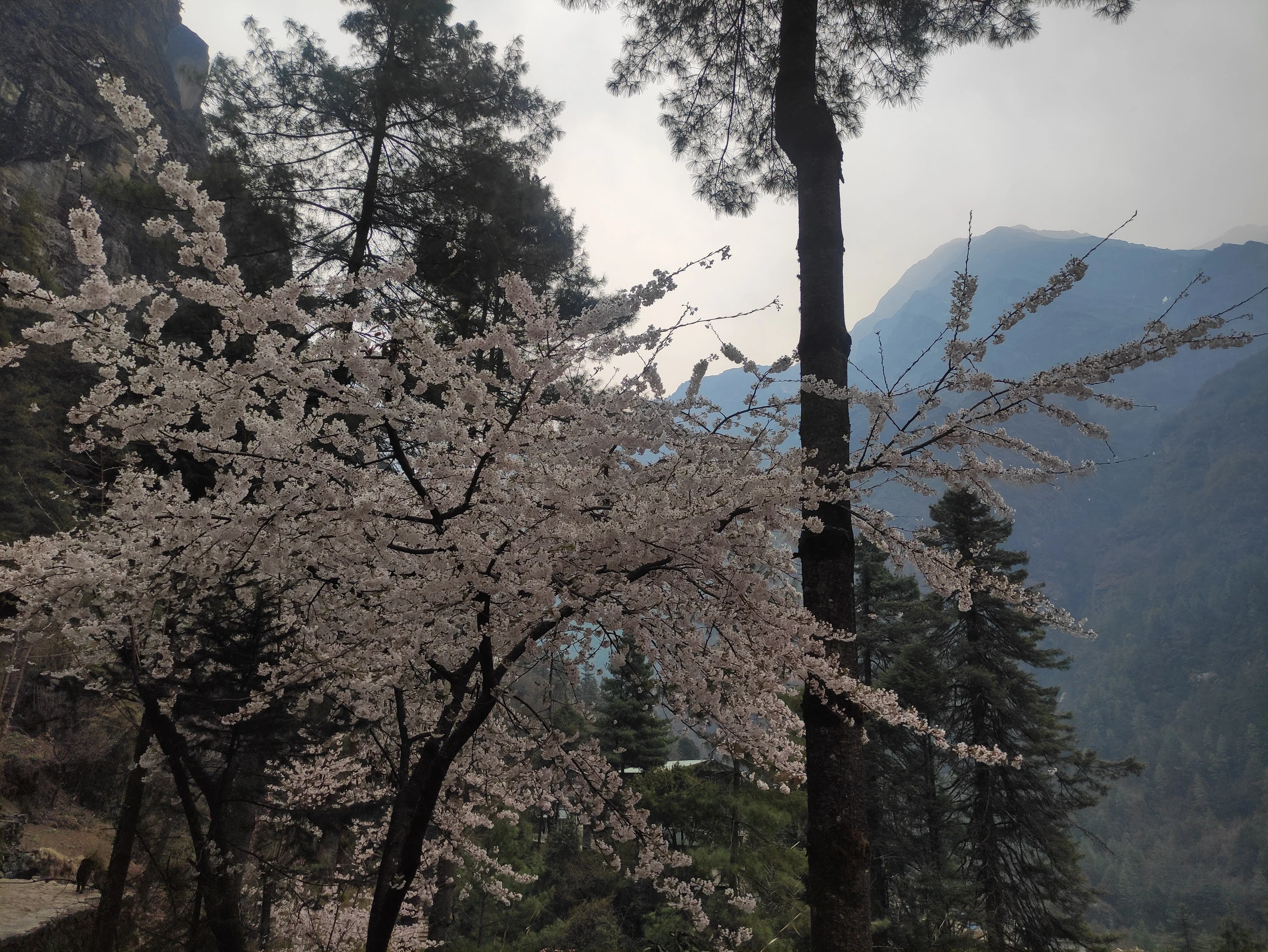
Spring is one of the most popular seasons for trekking in the Everest region. The weather often becomes warmer, the lower forests may display colourful rhododendron blossoms and clear mornings can offer excellent mountain views. Conditions at higher elevations can still be cold and unpredictable.
Autumn Season: September to November
Autumn is another excellent period for the Everest Base Camp Trek. The atmosphere is often clearer after the monsoon, providing impressive mountain views and generally favourable walking conditions. October and November are particularly popular trekking months.