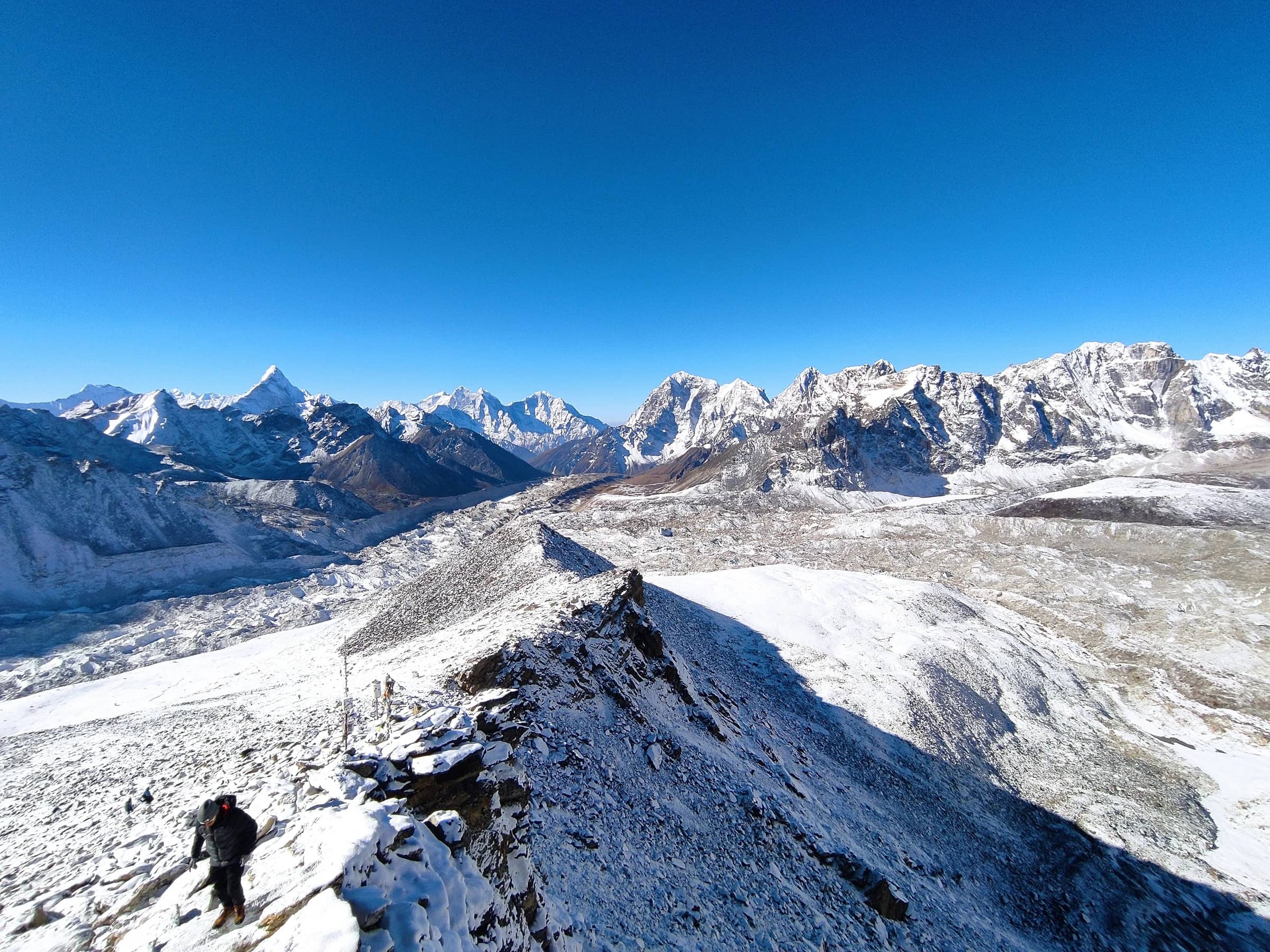
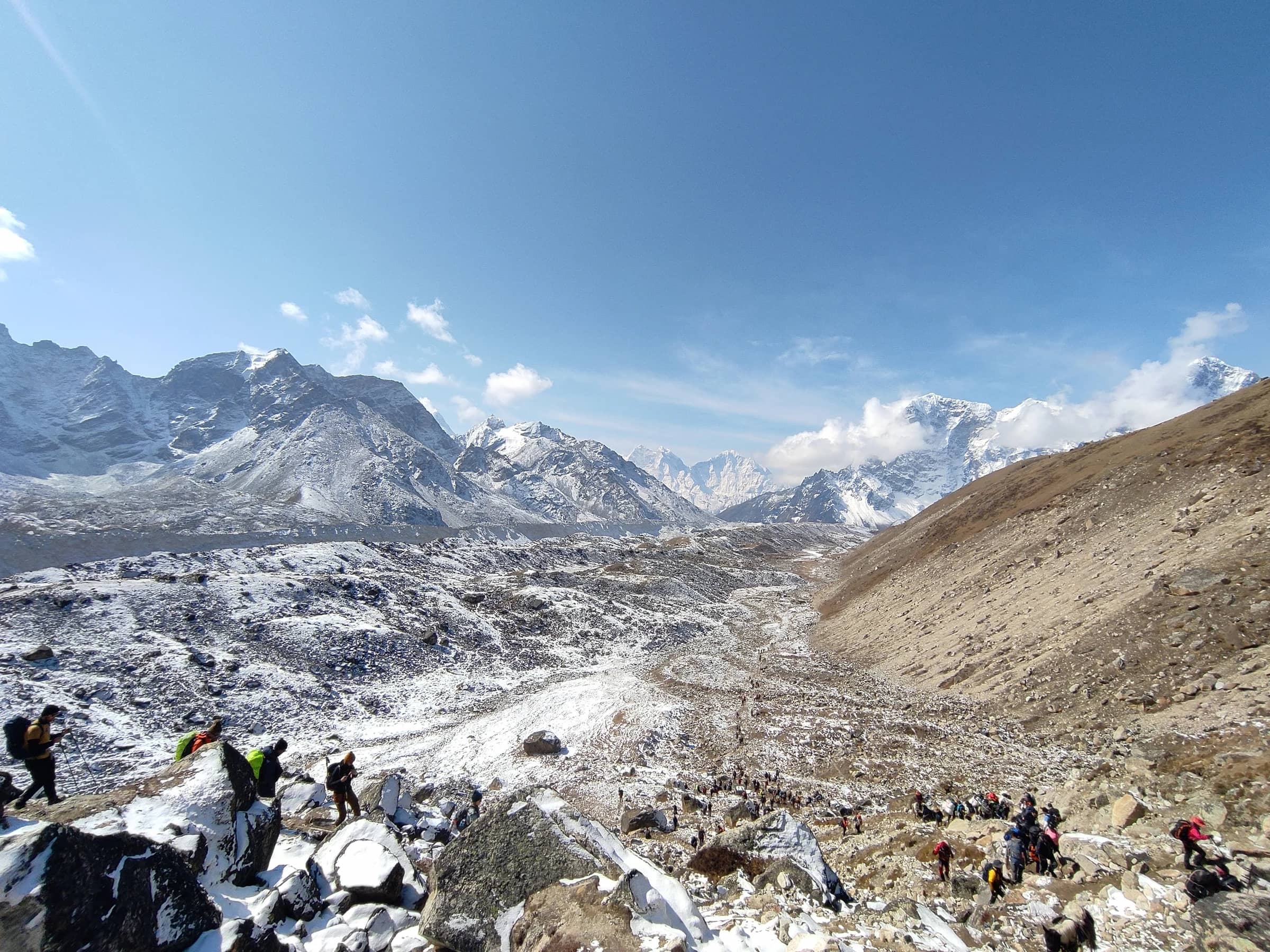
The Everest Three Passes Trek is a high altitude adventure that takes you deep into the heart of the Khumbu region. This Everest Three Passes Trek blends the Everest Base Camp route with the beautiful Gokyo Valley and three challenging mountain crossings. The Everest Three Passes Trek is perfect for trekkers who want to go beyond the standard Everest Base Camp trail and experience the diverse landscapes of the Everest region.
In the Solukhumbu district of Nepal the Everest Three Passes Trek lets me explore the famous Khumbu Valley and the surrounding Himalayan landscapes. The trek starts with a flight to Lukla then takes me through lovely Sherpa villages such as Phakding, Namche Bazaar, Tengboche, Dingboche and many other old mountain towns. The route also reaches the Gokyo Valley, famous for its turquoise glacial lakes and striking mountain views.
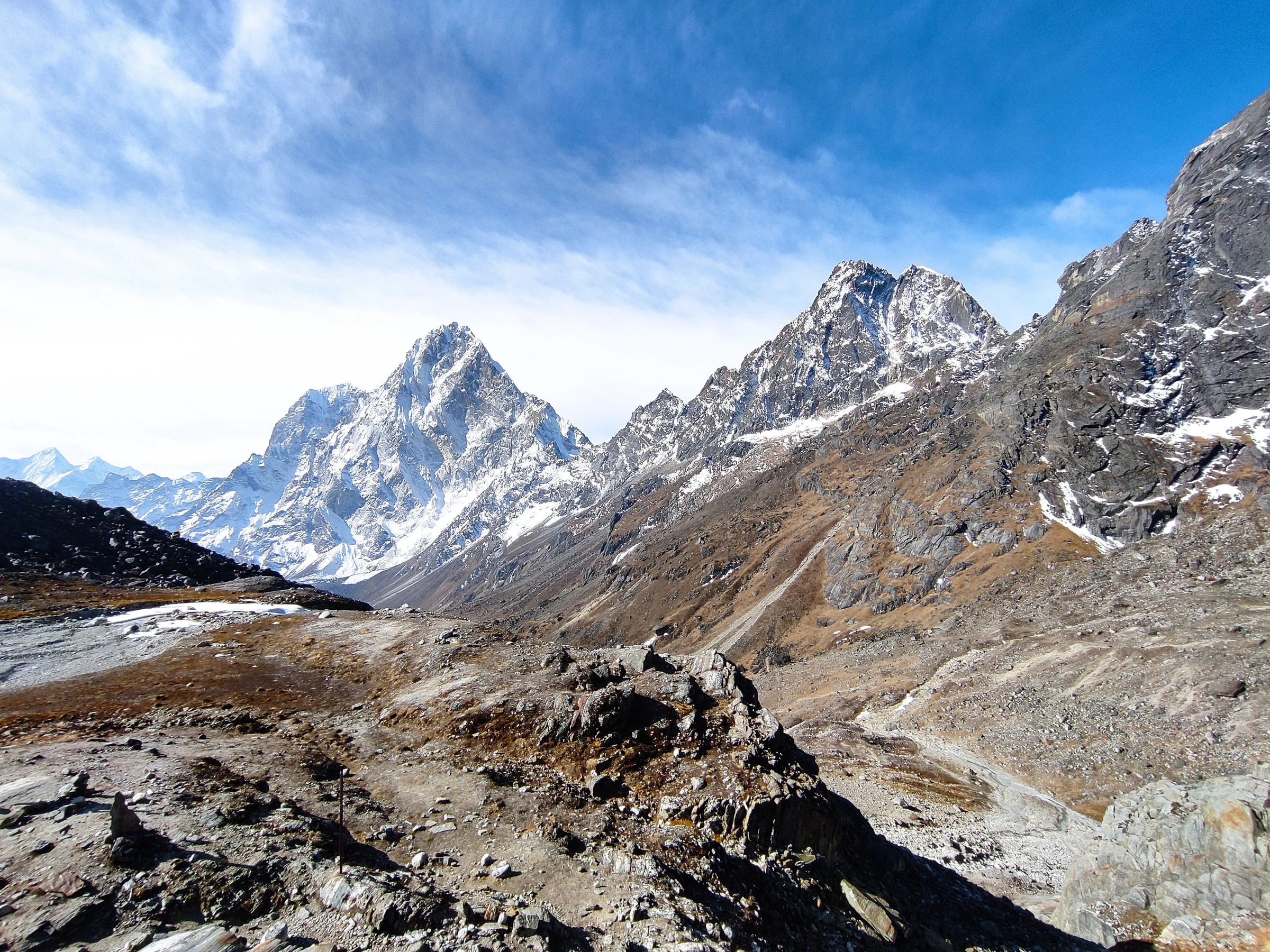
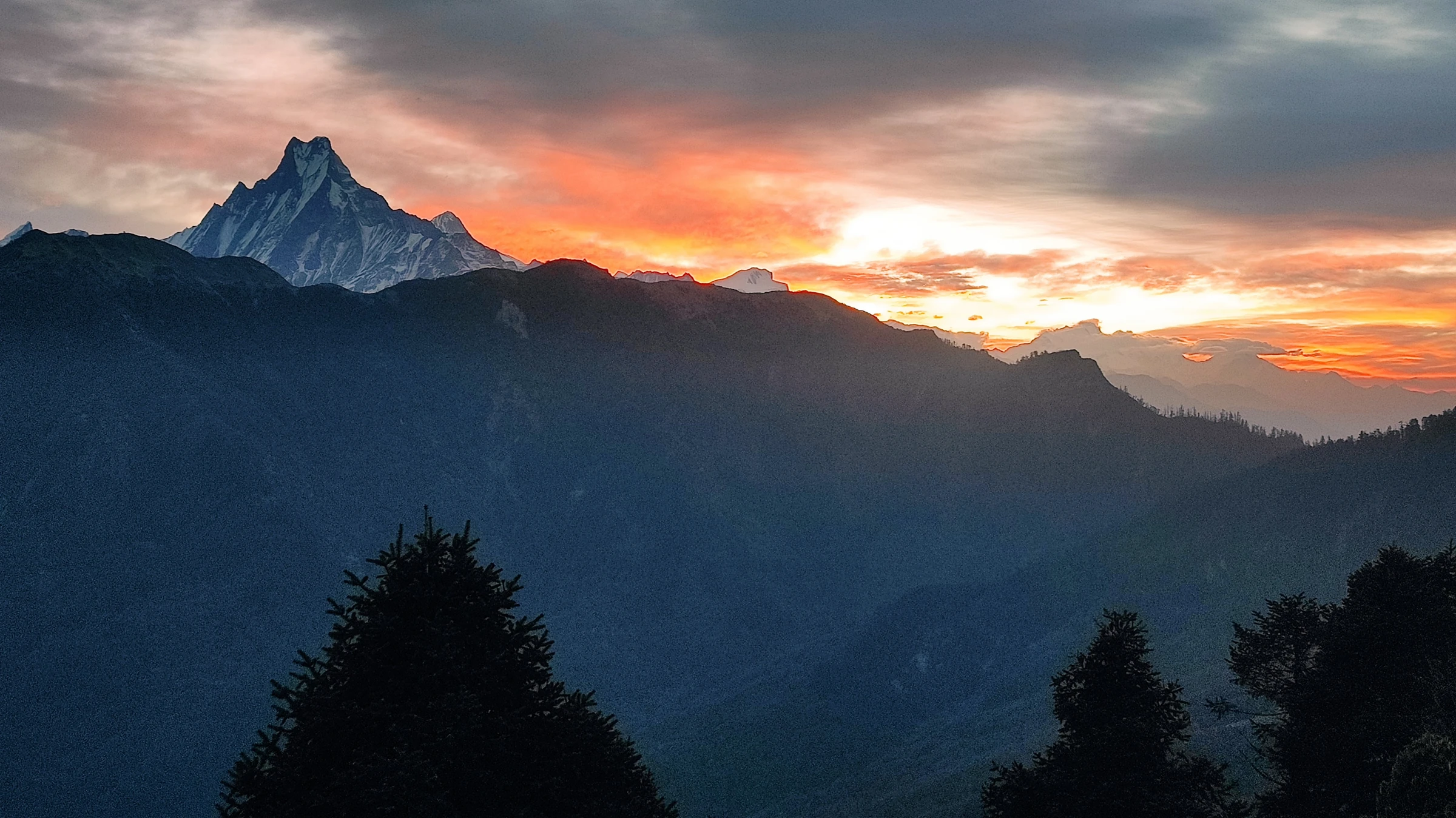
During the trek you will see a variety of Himalayan landscapes. You will walk through forests and follow riverside trails. You will also cross alpine valleys, glaciers and rugged mountain passes. The route offers views of Mount Everest, Lhotse, Makalu, Cho Oyu Ama Dablam and many other Himalayan peaks. The turquoise Gokyo Lakes, the Khumbu Glacier and the spectacular viewpoints of Kala Patthar and Gokyo Ri make this journey especially memorable.
The Everest Three Passes Trek is more than a trip to Everest Base Camp. The Everest Three Passes Trek is a Himalayan adventure that brings together high mountain passes, traditional Sherpa culture, glacial scenery and unforgettable viewpoints. With preparation, acclimatization and experienced guidance the Everest Three Passes Trek gives a rare chance to explore the natural beauty of the Everest region.
Main Highlights of the Everest Three Passes Trek
Cross the three famous Himalayan passes: Kongma La, Cho La and Renjo La.
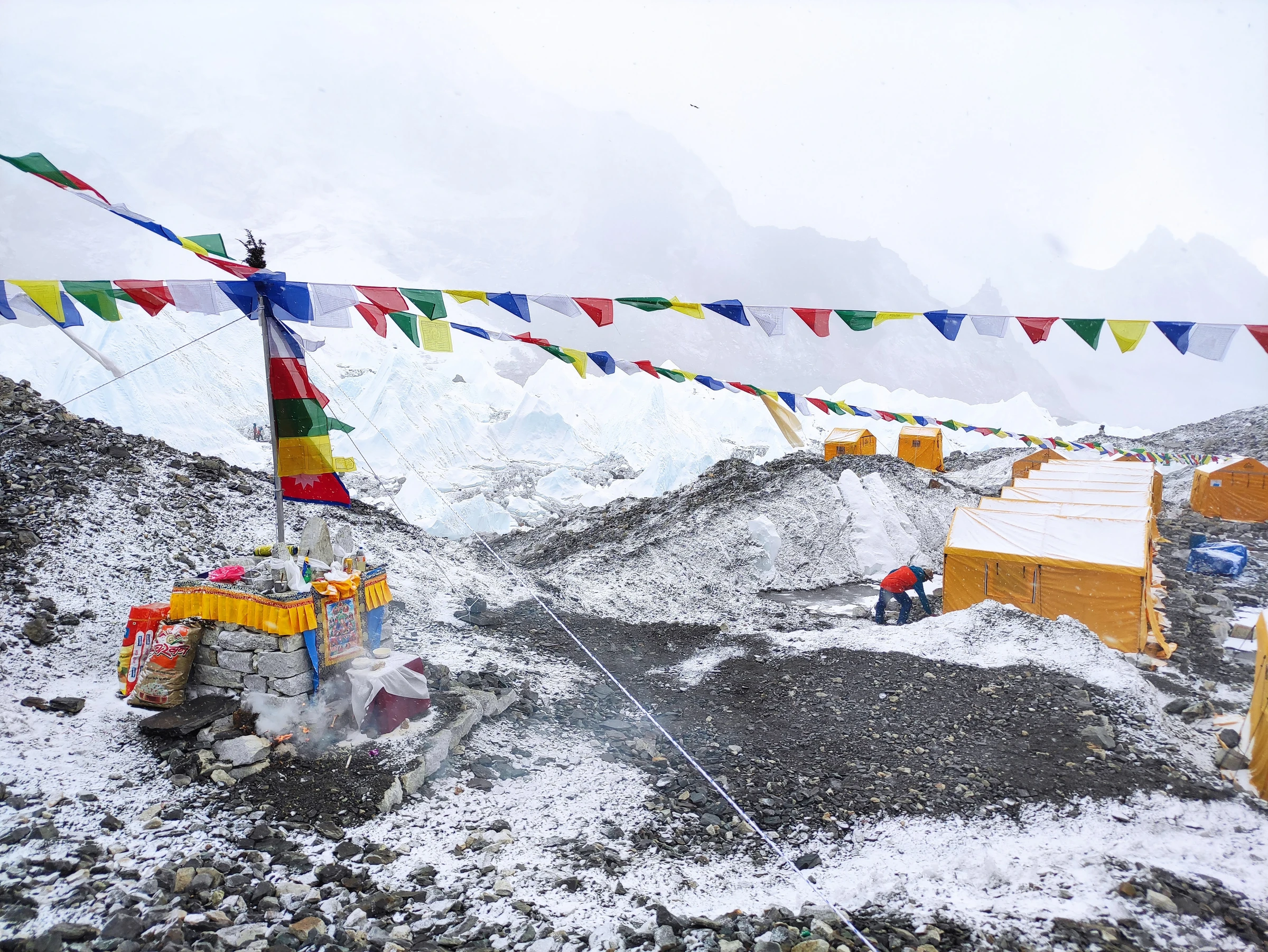
Visit the legendary Everest Base Camp at approximately 5,364 m.
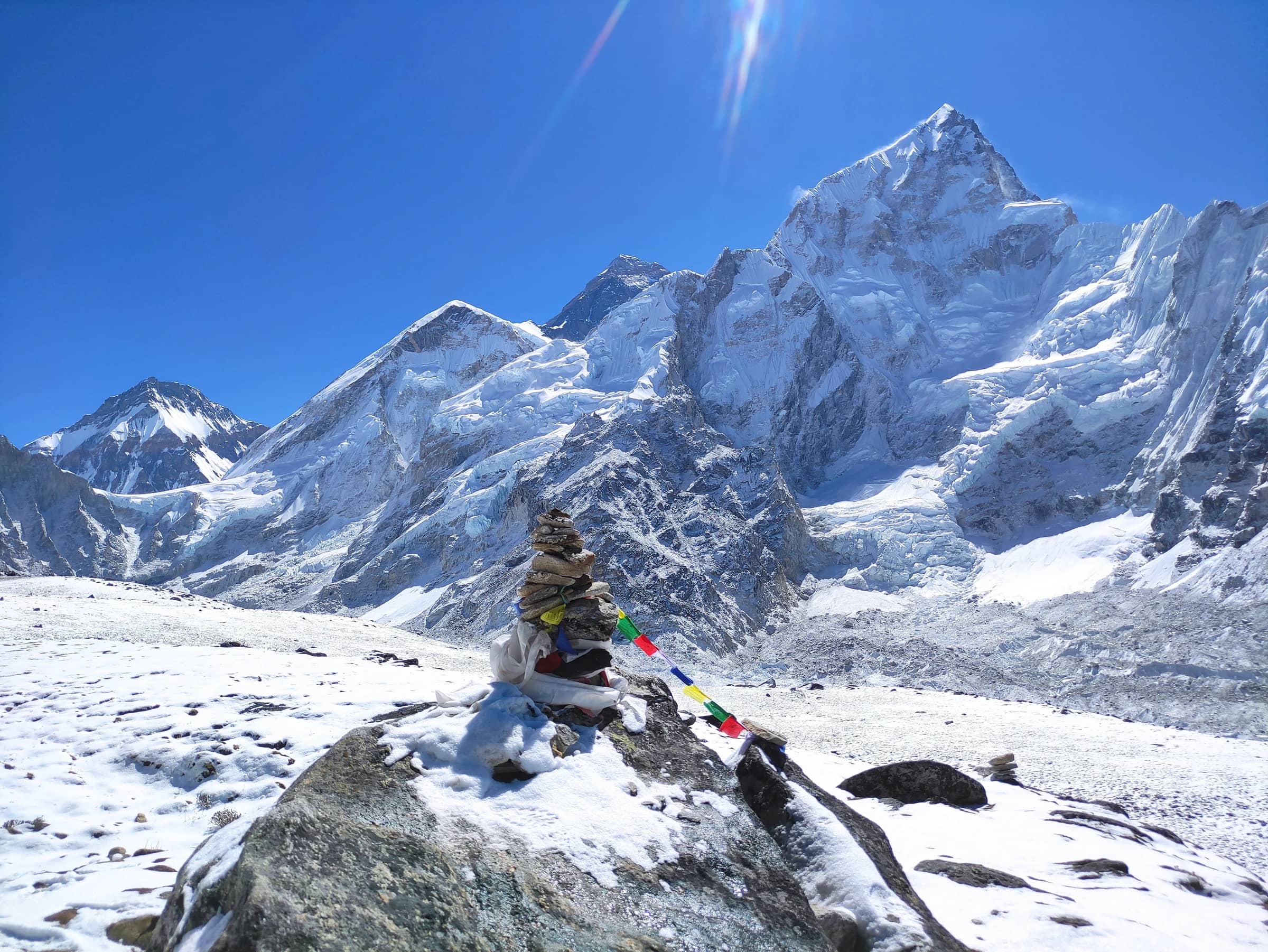
Hike to Kala Patthar for spectacular sunrise and panoramic mountain views.
Explore the beautiful Gokyo Valley and its turquoise glacial lakes.
Climb Gokyo Ri for outstanding views of Everest, Cho Oyu, Lhotse and Makalu.
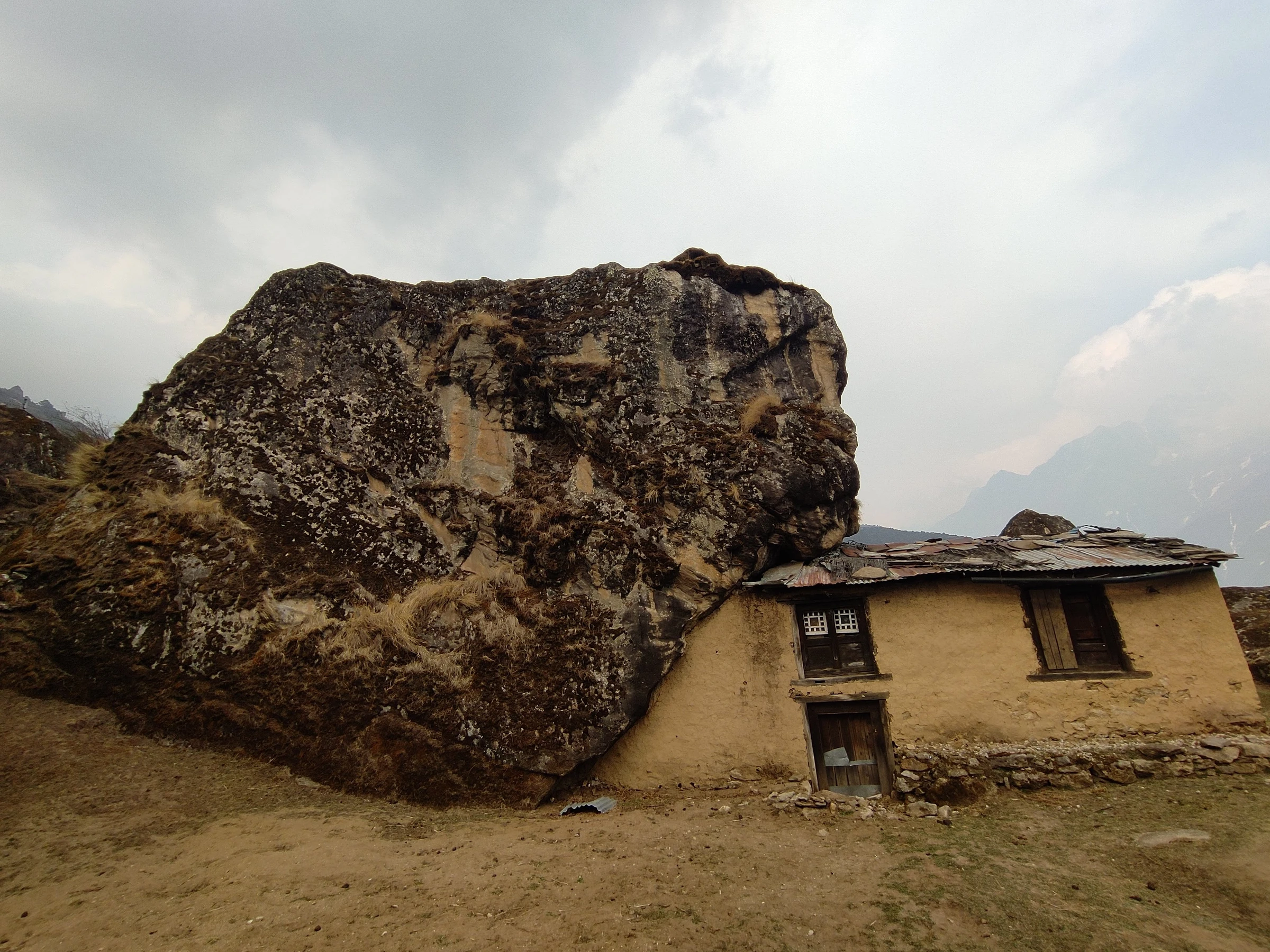
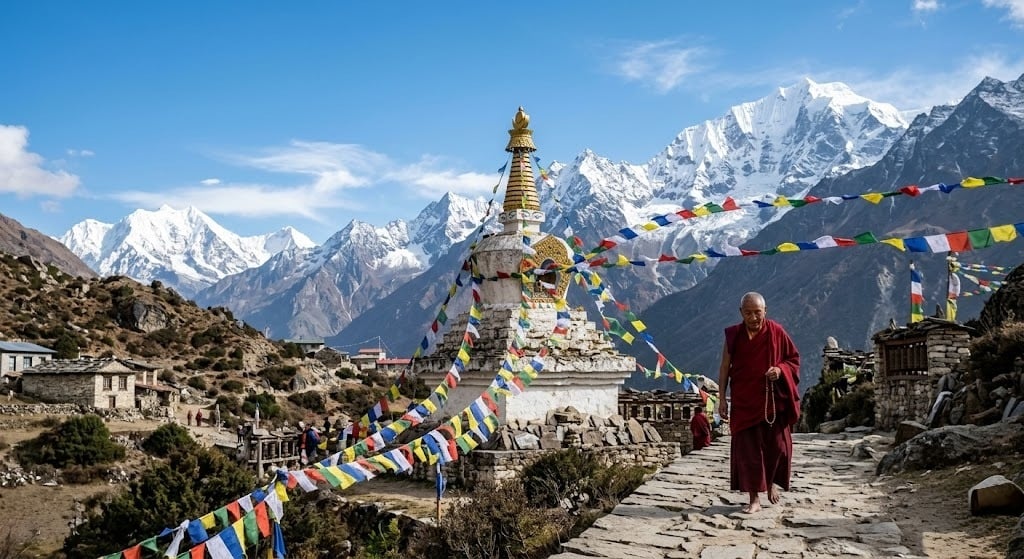
Experience the traditional Sherpa culture and hospitality of Namche Bazaar and surrounding villages.
Visit Tengboche and enjoy the peaceful atmosphere of the Himalayan Buddhist region.
Walk through the dramatic landscapes of the Khumbu Glacier and surrounding valleys.
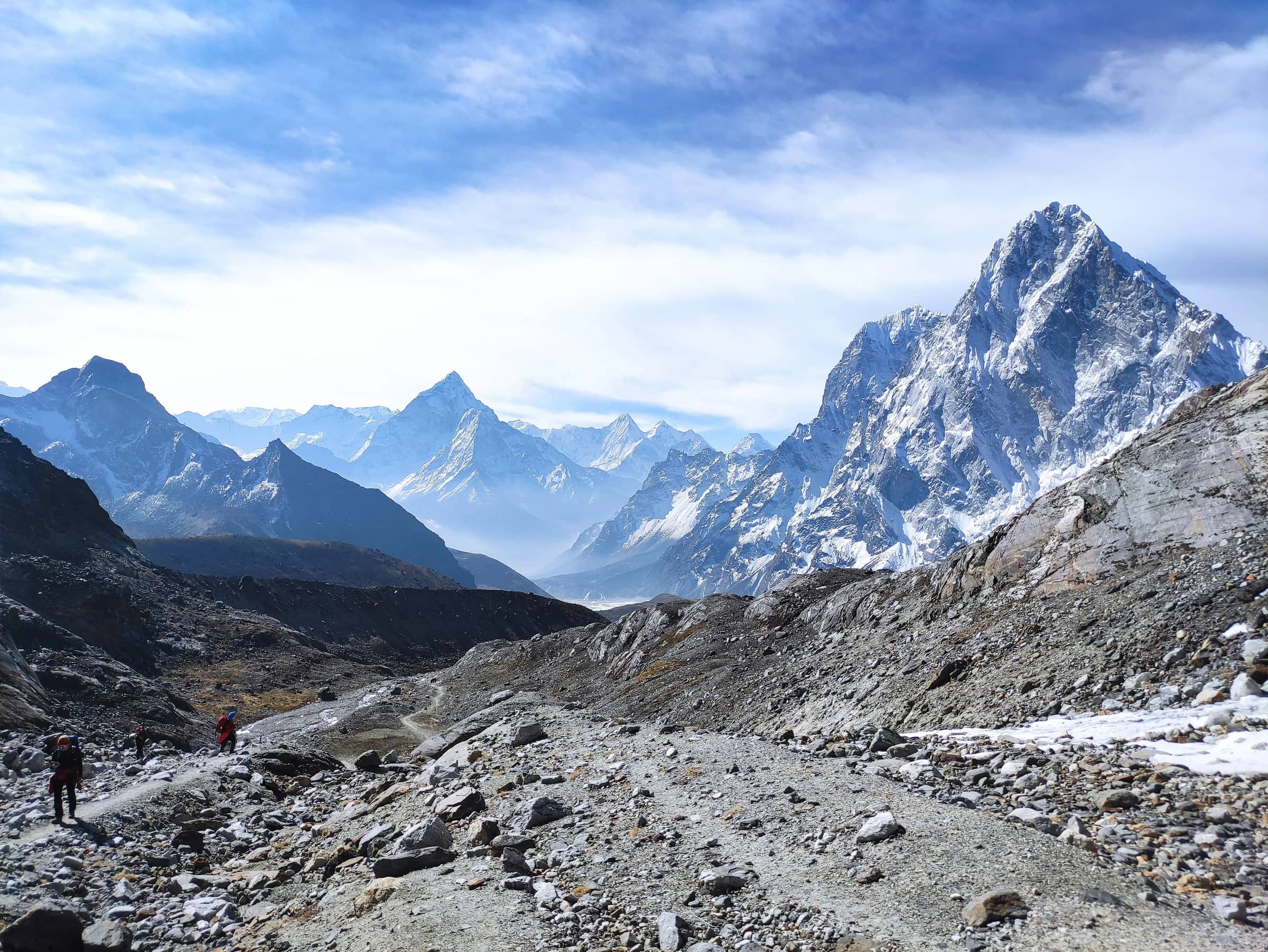
Enjoy magnificent views of Ama Dablam, Nuptse, Pumori and other Himalayan peaks.
Experience one of the most rewarding and challenging trekking adventures in Nepal.
Trekking Route
Lukla → Phakding → Namche Bazaar → Syangboche → Tengboche or Pangboche → Dingboche → Chhukung → Kongma La Pass → Lobuche → Gorak Shep → Everest Base Camp → Kala Patthar → Dzongla to be confirmed → Cho La Pass → Thangnak → Gokyo → Gokyo Ri → Renjo La Pass → Lungden → Namche Bazaar → Lukla → Kathmandu
The Everest Three Passes Trek with a flight from Kathmandu to Lukla. Then I walk through the villages of Phakding and Namche Bazaar. I do an acclimatization hike, to Syangboche and Everest View Point. The path then goes through Tengboche or Pangboche to Dingboche and Chhukung. From Chhukung I cross the Kongma La Pass before arriving at Lobuche and Everest Base Camp. I keep going to Kala Patthar and the Cho La Pass, which takes me into the Gokyo Valley. After climbing Gokyo Ri to see Himalayan views I cross Renjo La Pass and head down to Lungden, Namche Bazaar and Lukla.
Three Major Passes of the Trek
1. Kongma La Pass
Approximate Altitude: 5,535 m
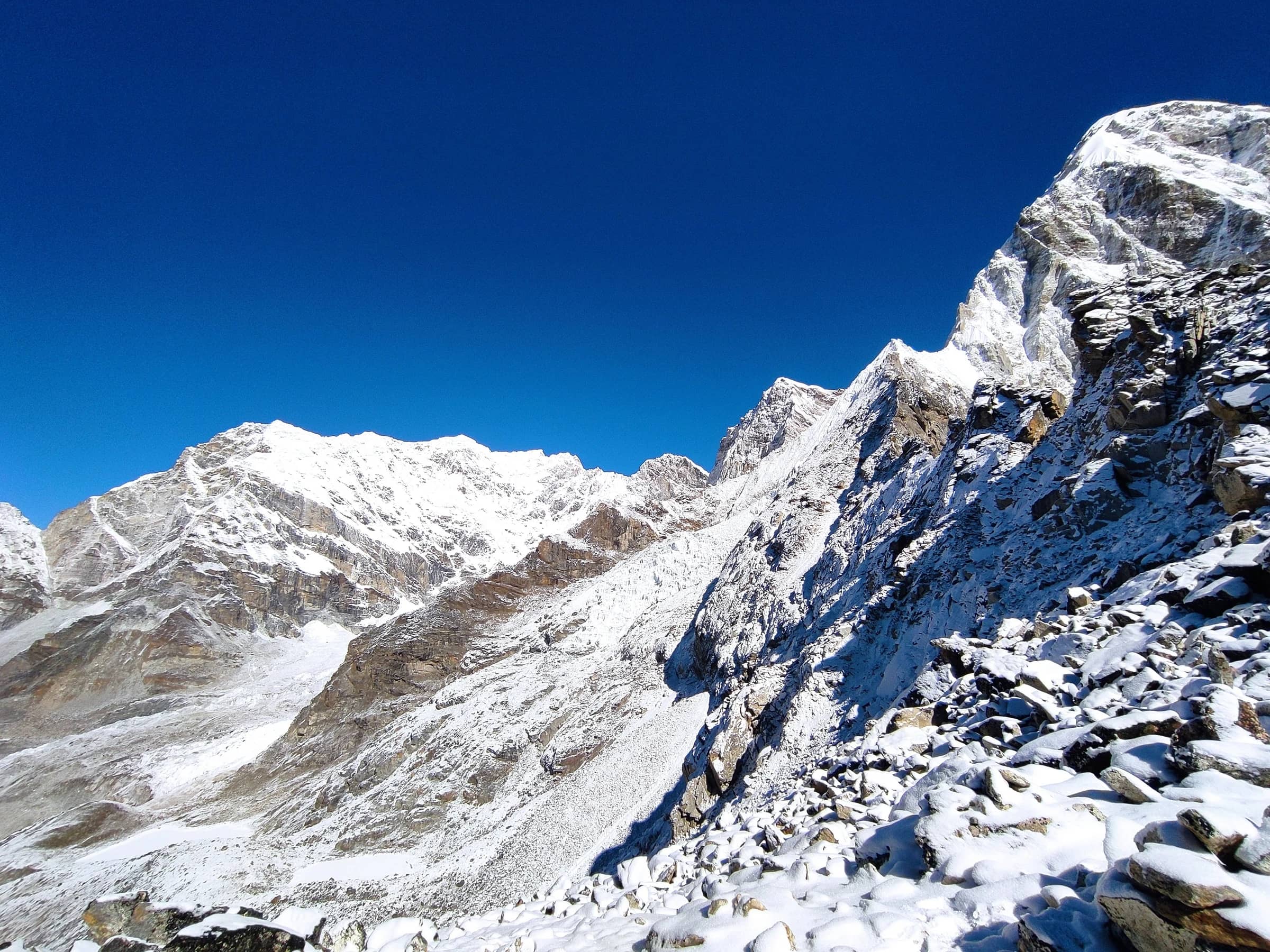
Kongma La is the highest of the three passes and one of the most challenging sections of the Everest Three Passes Trek. The crossing connects the Chhukung Valley with the Lobuche area and offers spectacular views of surrounding Himalayan peaks, glaciers and rugged mountain terrain.
2. Cho La Pass
Approximate Altitude: 5,420 m
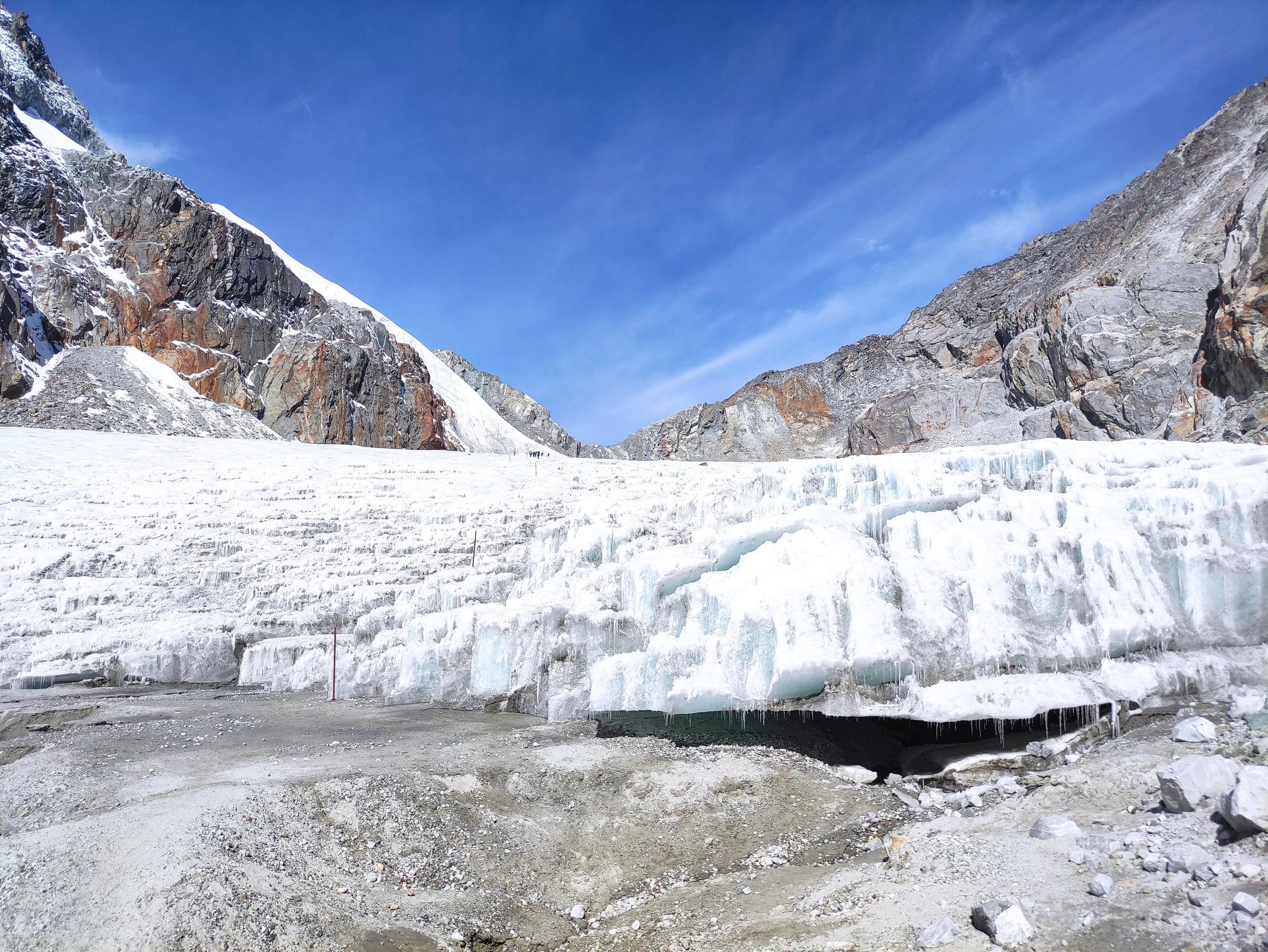
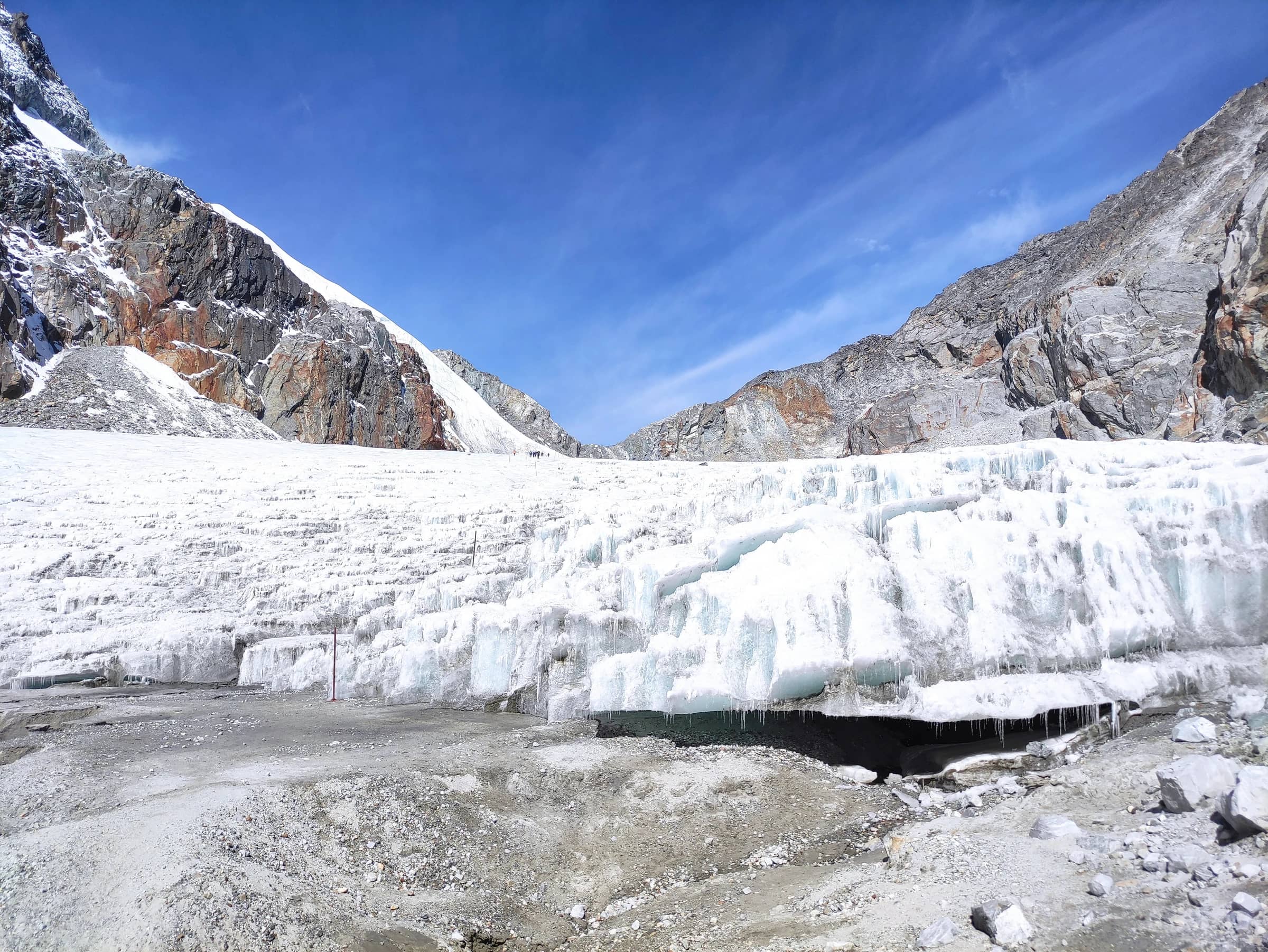
Cho La Pass connects the Everest Base Camp and Gokyo trekking routes. The crossing involves steep sections and glacial terrain, making it an exciting and demanding part of the journey. From the pass, trekkers can enjoy impressive views of the surrounding mountains and alpine landscapes.
3. Renjo La Pass
Approximate Altitude: 5,360 m
Renjo La Pass is known for its magnificent views of the Gokyo Lakes, Everest and the surrounding Himalayan peaks. The route connects the Gokyo Valley with the Lungden and Thame areas, completing the three high mountain pass adventure.
Major Peaks and Mountain Views
During the Everest Three Passes Trek, you can enjoy views of some of the most impressive mountains in the Himalayas.
Mount Everest (8,848.86 m): The world's highest mountain, offering an iconic Himalayan backdrop throughout the Everest Three Passes Trek.
Lhotse (8,516 m): The world's fourth-highest mountain, renowned for its dramatic steep faces and close connection to Mount Everest.
Makalu (8,485 m): The world's fifth-highest mountain, recognized by its distinctive pyramid-shaped summit and rugged Himalayan terrain.
Cho Oyu (8,188 m): The world's sixth-highest mountain, rising above the Gokyo Valley and providing spectacular high-altitude scenery.
Nuptse (7,861 m): A dramatic Himalayan peak near Everest, famous for its rugged ridgelines and impressive mountain walls.
Ama Dablam (6,812 m): One of the most recognizable mountains in the Khumbu region, celebrated for its elegant pyramid shape and striking ridges.
Pumori (7,161 m): A beautiful Himalayan peak near Everest Base Camp, known for its steep slopes and impressive snow-covered summit.
Thamserku (6,608 m): A prominent mountain in the Khumbu region, admired for its rugged ridges and impressive views along the trekking route.
Trek Facts
Three High Mountain Passes: This trek crosses Kongma La, Cho La and Renjo La, each offering a different landscape and trekking experience.
Everest Base Camp and Gokyo in One Journey: The route combines two of the most popular trekking destinations in the Everest region.
Four Mountains Above 8,000 m: From Gokyo Ri, on a clear day, trekkers can enjoy views of four mountains above 8,000 m: Cho Oyu, Mount Everest, Lhotse and Makalu.
Gokyo Lakes: The Gokyo Valley is famous for its beautiful glacial lakes, which create a striking contrast against the surrounding rocky Himalayan landscape.
High Altitude Adventure: Several sections of the trek are above 5,000 m, requiring good preparation, appropriate acclimatization and careful trekking.
Sherpa Heritage: The route passes through traditional Sherpa settlements where visitors can experience local culture, Buddhist traditions and mountain hospitality.
Why Trek the Everest Three Passes?
The Everest Three Passes Trek is an excellent choice for trekkers looking for a challenging and comprehensive Himalayan experience. Unlike the standard Everest Base Camp Trek, this route takes you beyond the usual trail and introduces you to three spectacular mountain passes, the remote Gokyo Valley and some of the finest viewpoints in the Everest region.
You will experience the excitement of crossing Kongma La, Cho La and Renjo La while exploring iconic destinations such as Everest Base Camp, Kala Patthar and Gokyo Ri. The journey also provides opportunities to experience Sherpa culture, visit traditional mountain villages and admire the extraordinary beauty of the Khumbu Himalayas.
For experienced trekkers seeking adventure, mountain scenery and a rewarding high altitude challenge, the Everest Three Passes Trek is one of Nepal's most memorable trekking experiences.
Best Season for the Everest Three Passes Trek
Spring Season: March to May
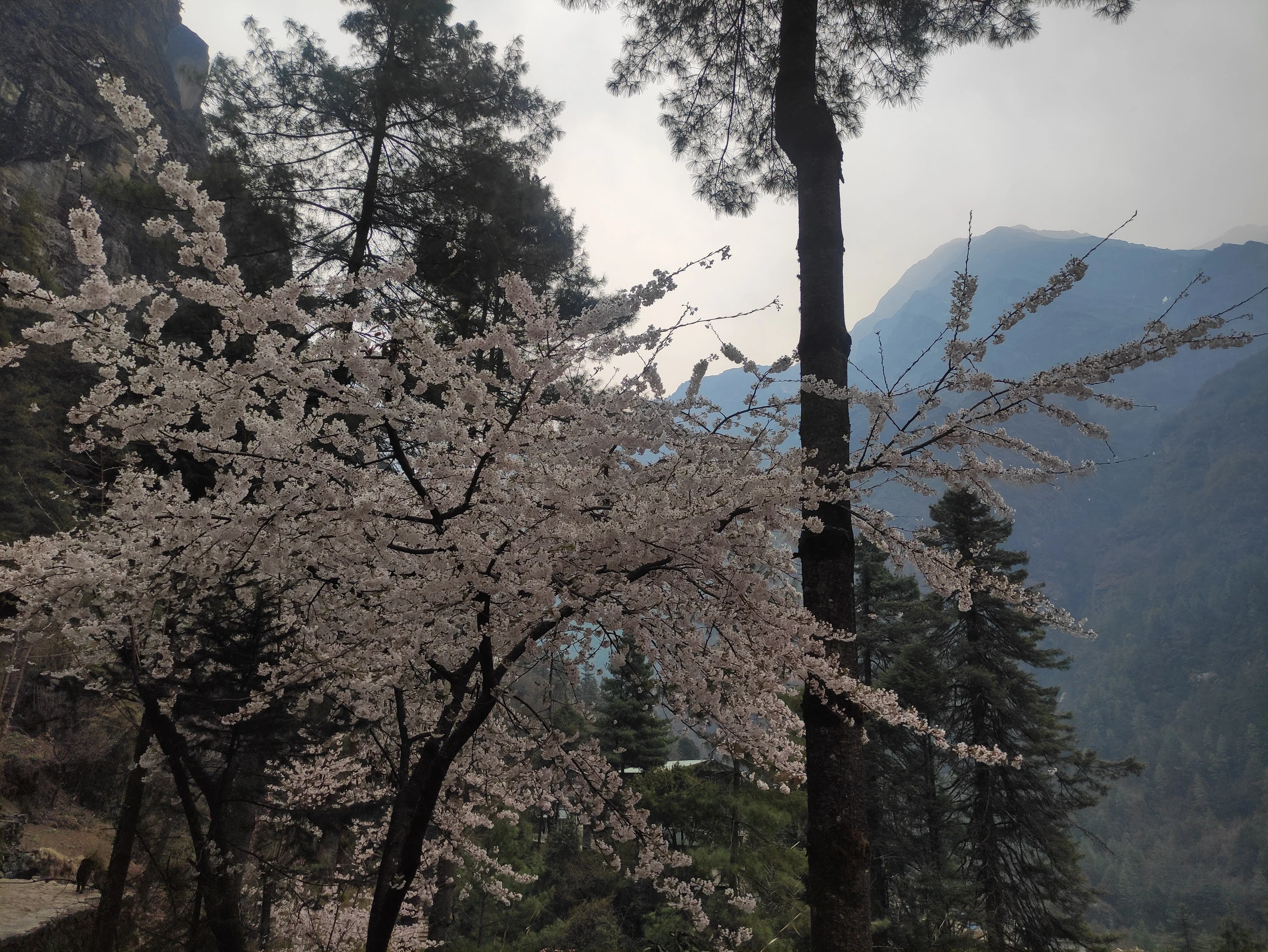
Spring is one of the best periods for the Everest Three Passes Trek. The weather is generally suitable for trekking, the days become warmer and the lower trails are decorated with blooming rhododendron forests. Clear weather can provide excellent mountain views, although conditions at the high passes can still be unpredictable.
Autumn Season: September to November
Autumn is another excellent season for trekking in the Everest region. The monsoon usually clears the atmosphere, providing beautiful mountain views and generally favourable trekking conditions. October and November are particularly popular months for high altitude trekking.