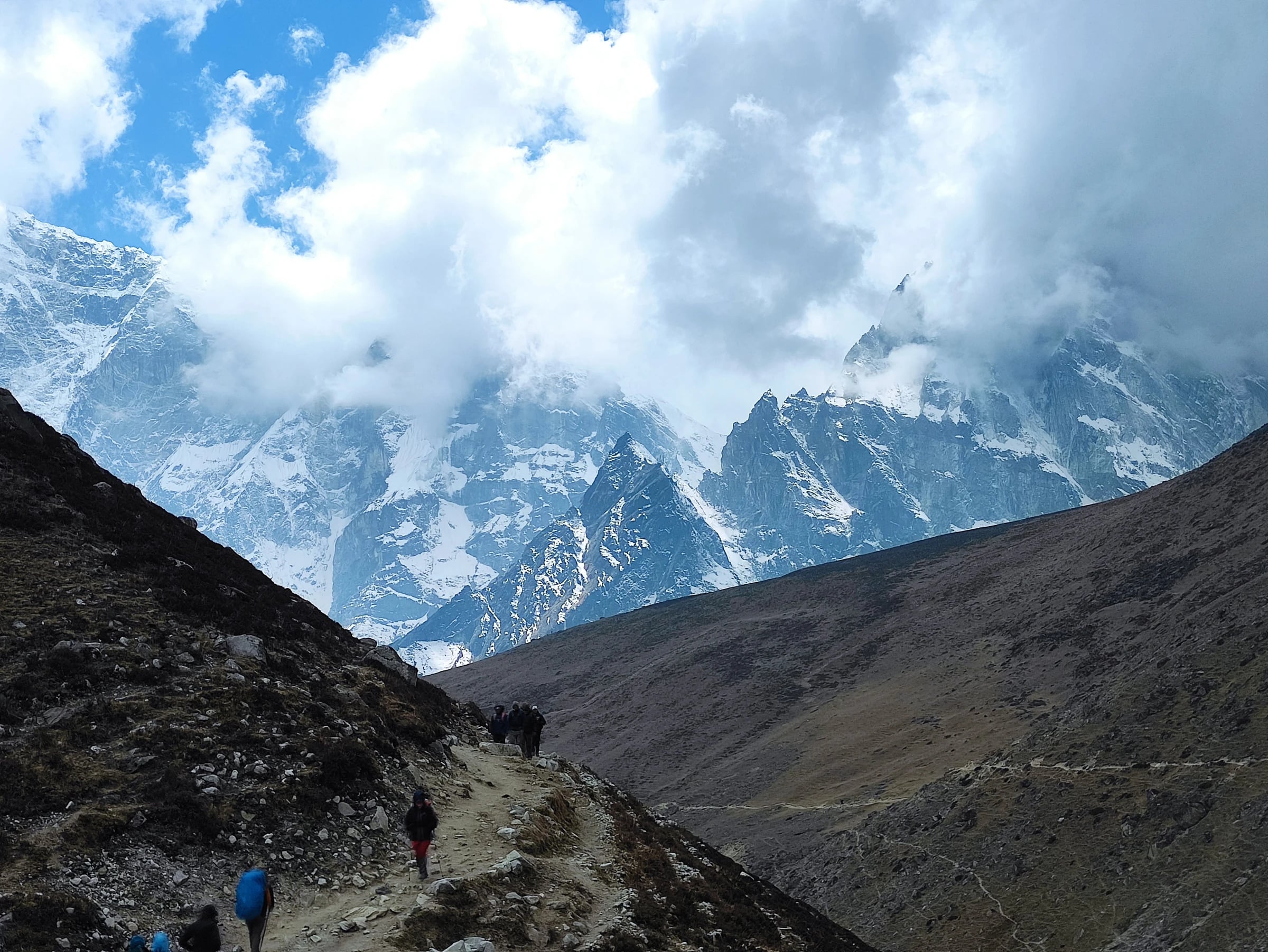
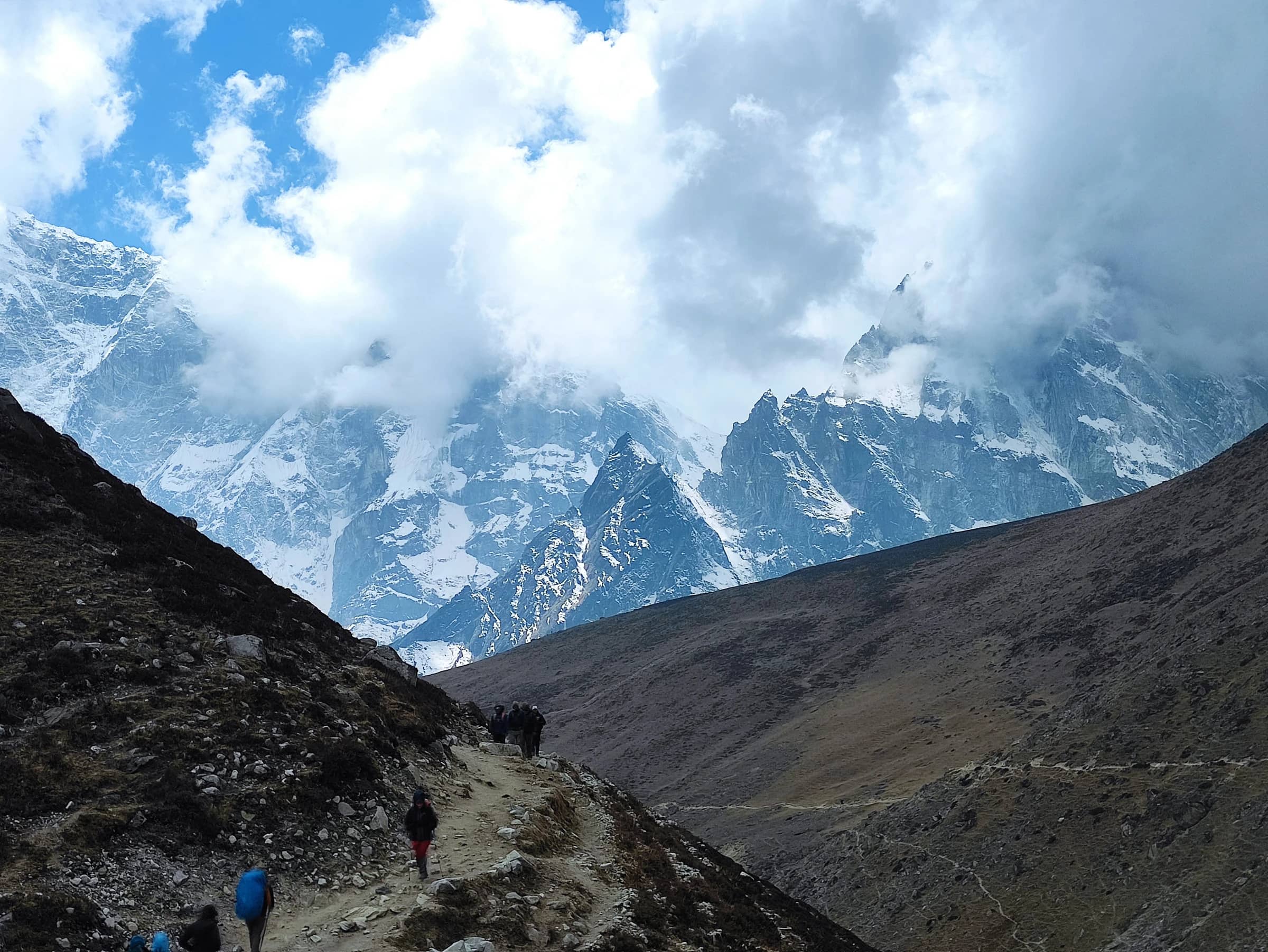
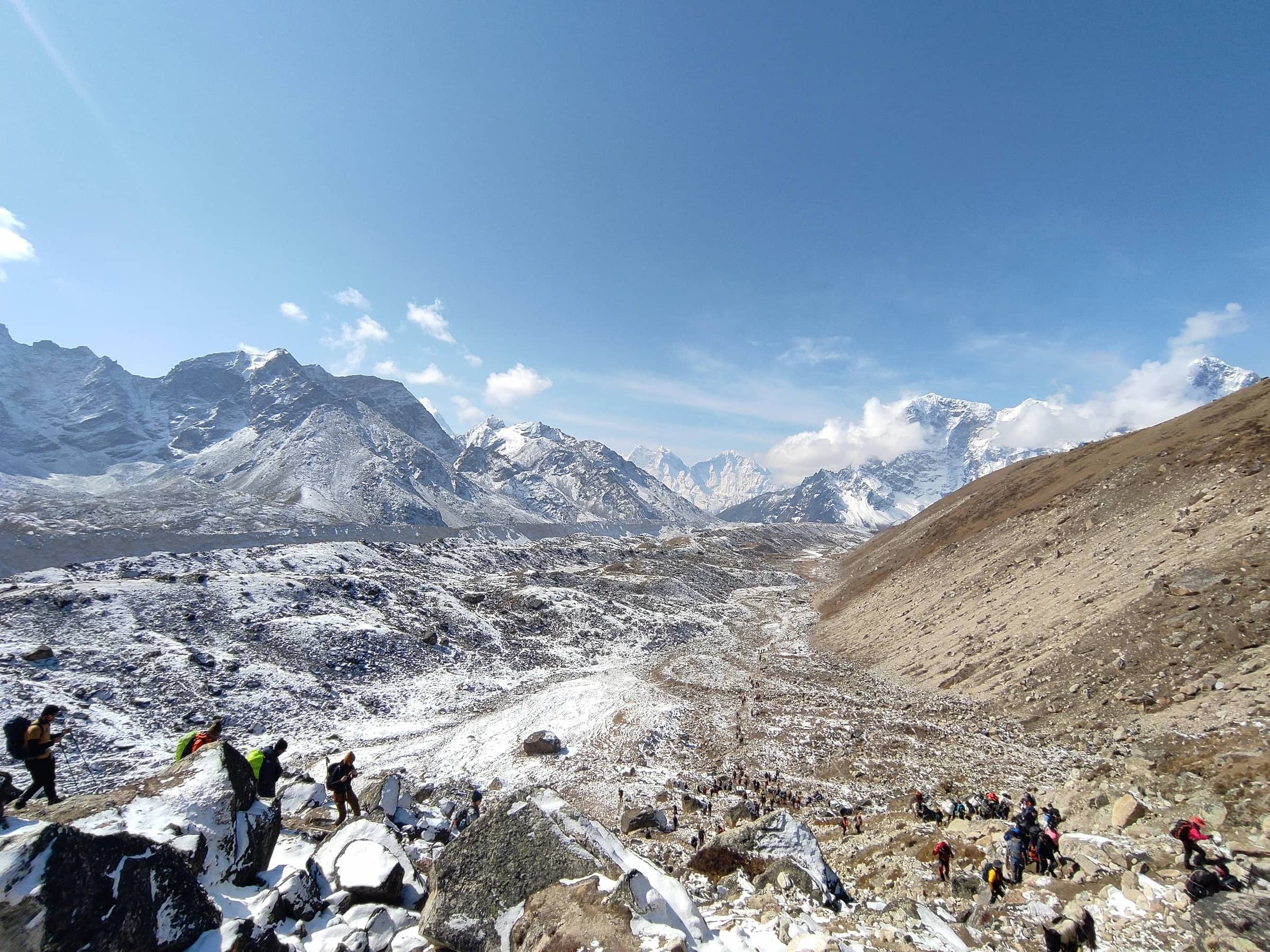
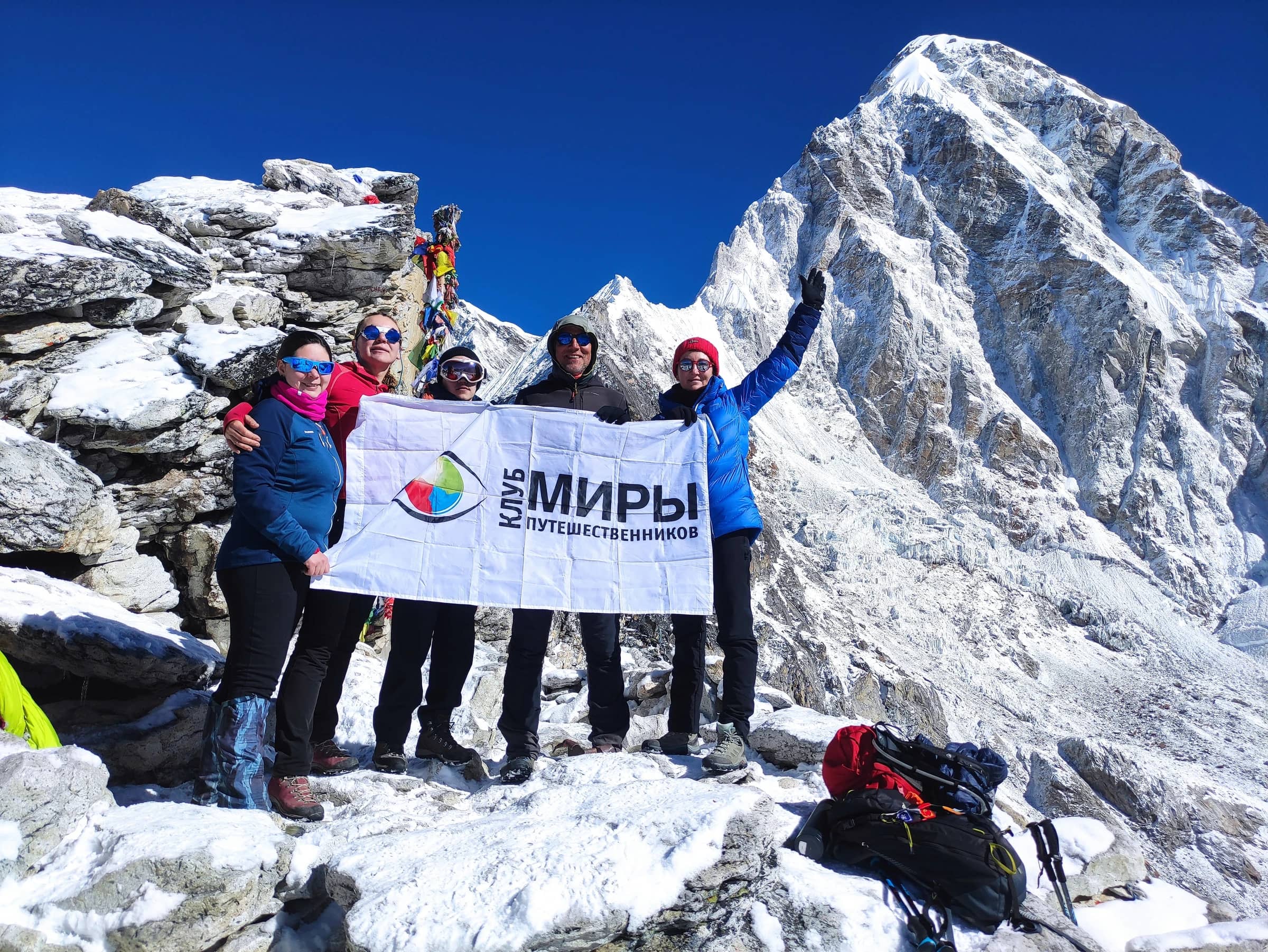
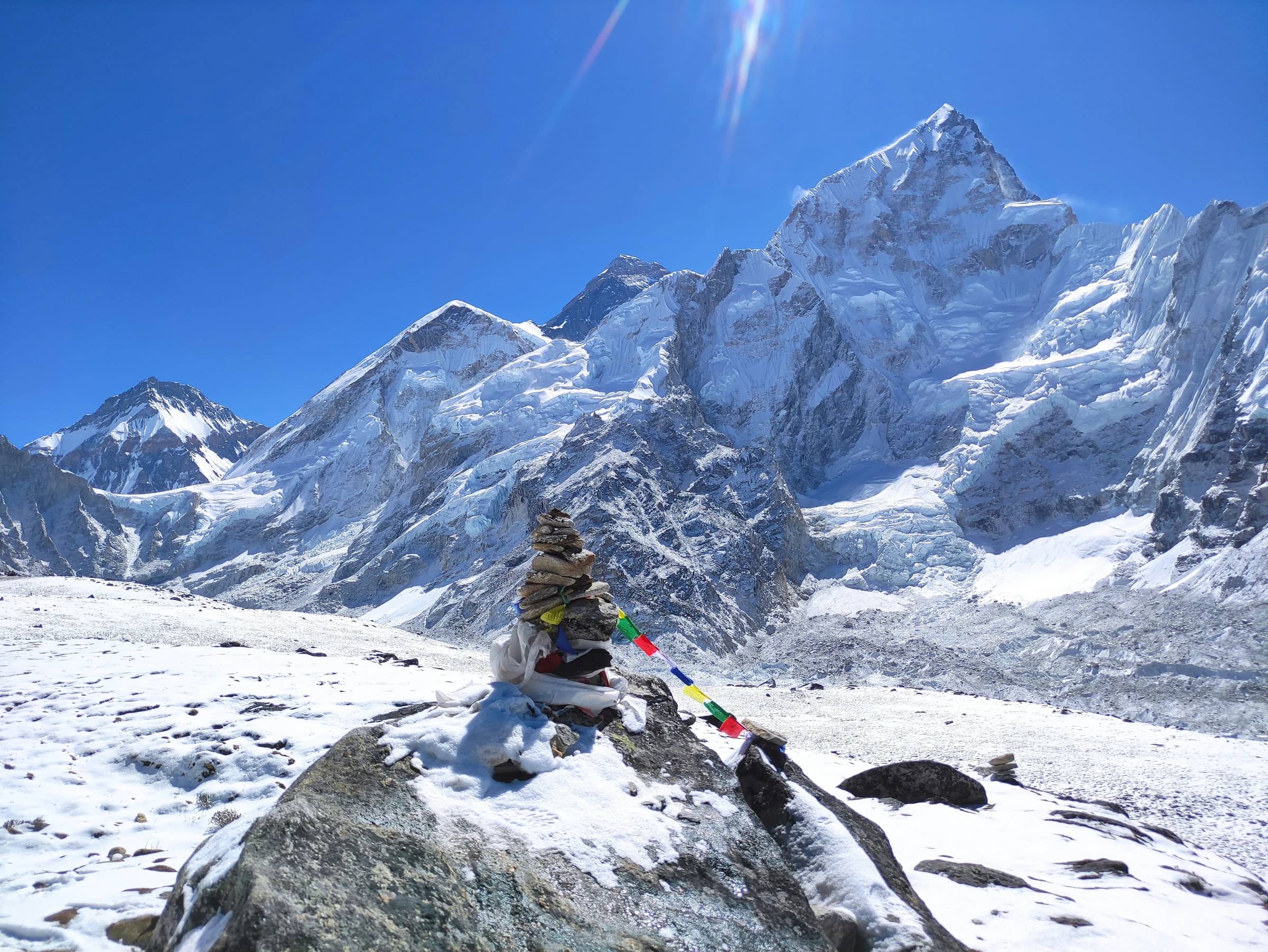
The Everest Gorak Shep Trek is an altitude Himalayan adventure that takes trekkers deep into Nepals famous Khumbu region. Following the trail from Lukla, through Namche Bazaar and the upper Khumbu Valley the journey reaches Gorak Shep, the established settlement commonly used by trekkers visiting Everest Base Camp. The main attraction is reaching Everest Base Camp at 5,364 metres surrounded by the dramatic landscape of the Khumbu Glacier and towering Himalayan peaks.
This journey happens in Nepal in the area around Mount Everest close to Sagarmatha National Park. The path starts with a flight from Kathmandu to Lukla then continues with walking through Phakding and Namche Bazaar before going on to Pangboche and the higher places in the Khumbu region. The route then gets to Gorak Shep and Everest Base Camp before going down through Pheriche and Namche Bazaar to Lukla for the flight back, to Kathmandu.
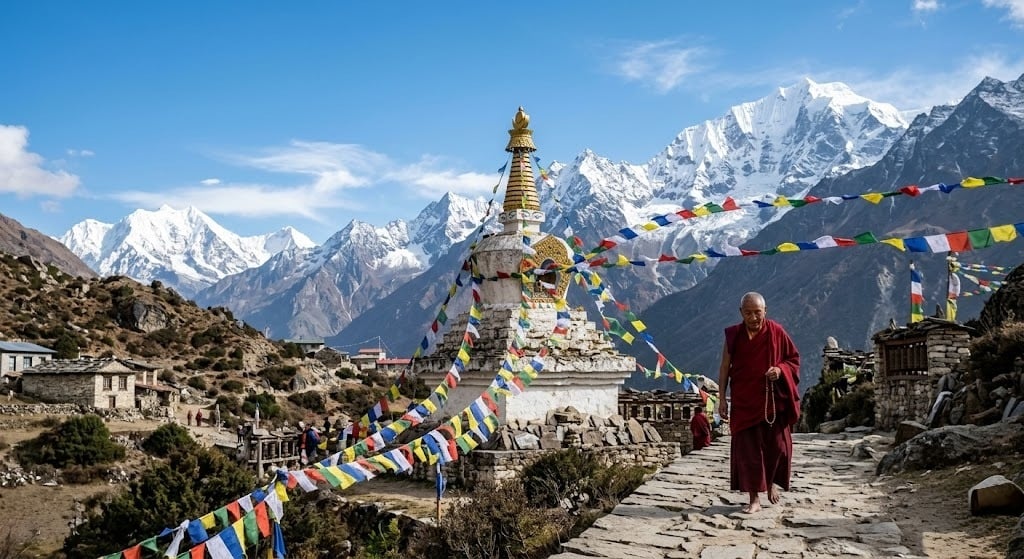
The journey brings a different look as the path goes up from river valleys and wooded trails into tough mountain areas. People walking the trail go over hanging bridges, old Sherpa villages, Buddhist prayer stones and places to rest on the mountain before getting to the areas near Gorak Shep. Depending on the weather and what can be seen the view could have Ama Dablam, Lhotse, Nuptse and other big mountains. The trip, to Everest Base Camp gives a lasting feeling of how big and tough the high mountain.
The Everest Gorak Shep Trek gives a way to one of the most famous places to go trekking in the world. Getting to Everest Base Camp is an experience but the high altitude and hard schedule make this path much more difficult than a normal Everest Base Camp trek. Good planning, checking how well the body adjusts to the height having help, from guides who know the area and being ready to change the route if needed are all very important. People who go on this trip should put their health and safety first of trying to finish the journey in a set number of days.
Main Highlights
Fly from Kathmandu to Lukla, the gateway to the Everest region.
Trek through the scenic Dudh Koshi valley and traditional Sherpa settlements.
Visit Namche Bazaar, an important cultural and trading centre in the Khumbu.
Experience the mountain landscapes and Buddhist heritage of the upper Khumbu Valley.
Pass through Pangboche, a traditional Sherpa settlement surrounded by dramatic mountain scenery.
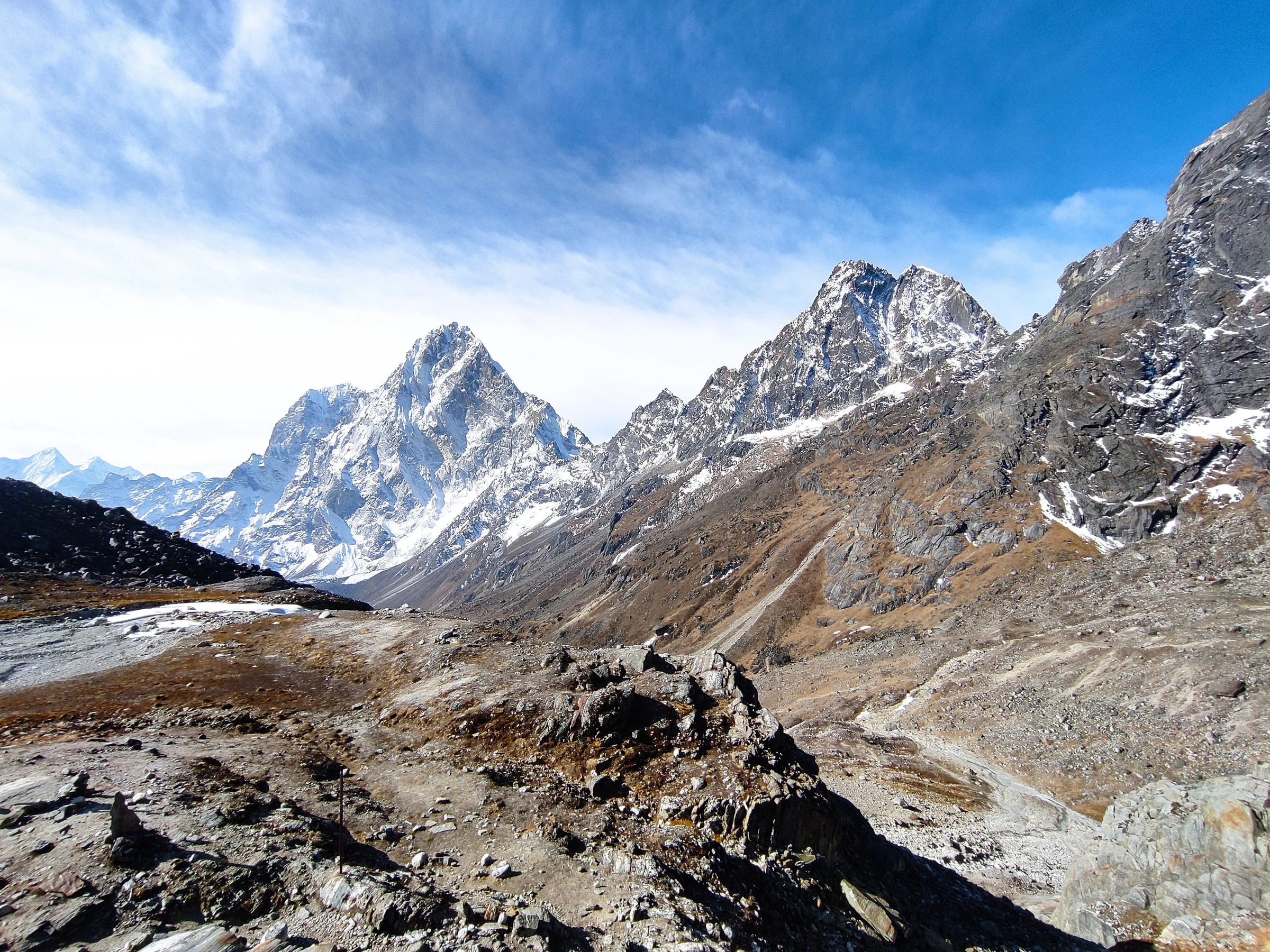
Travel through the rugged high altitude terrain around Thukla and the Khumbu Glacier region.
Reach Gorak Shep, the final settlement commonly used as a base for Everest Base Camp visits.
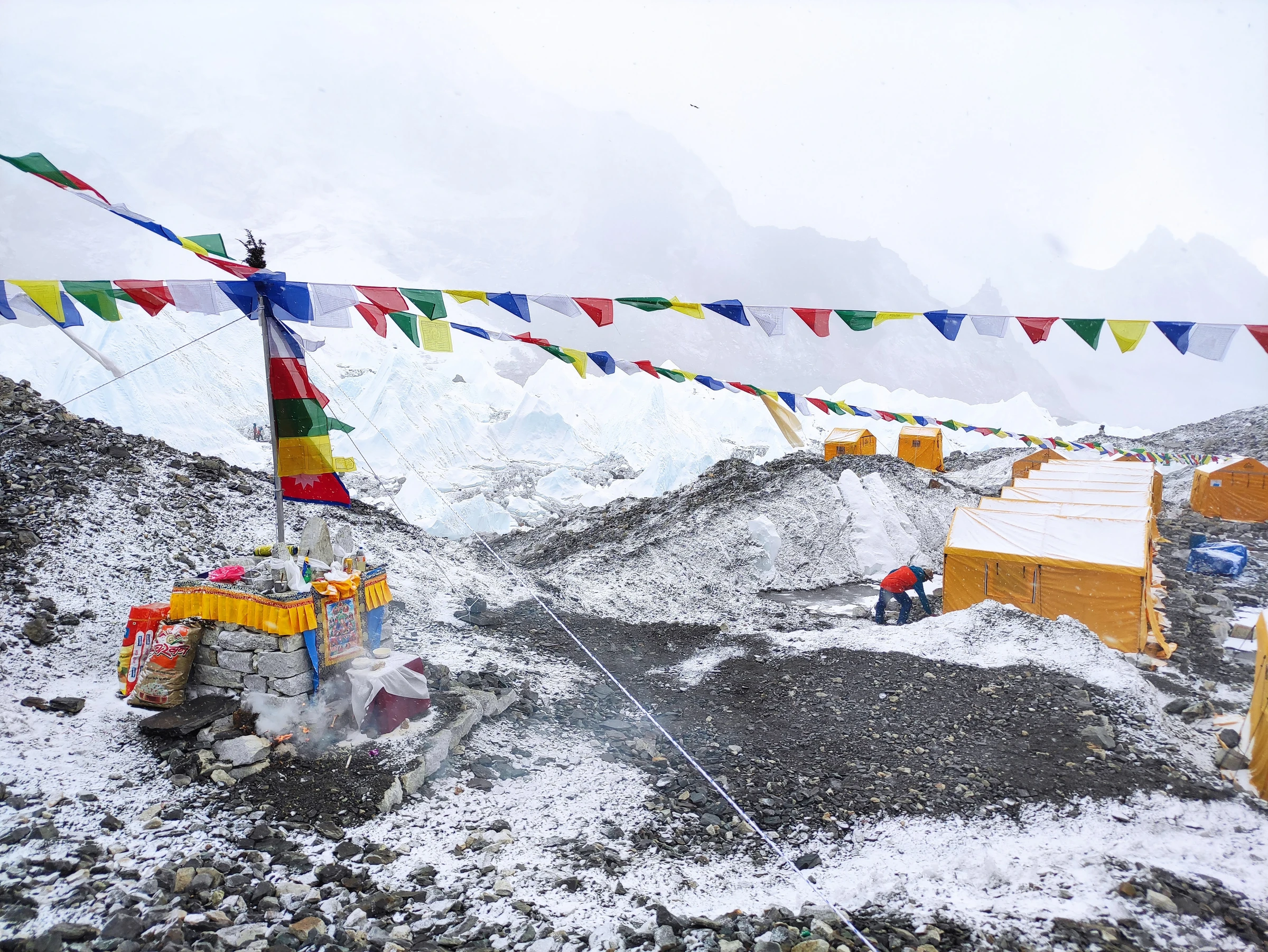
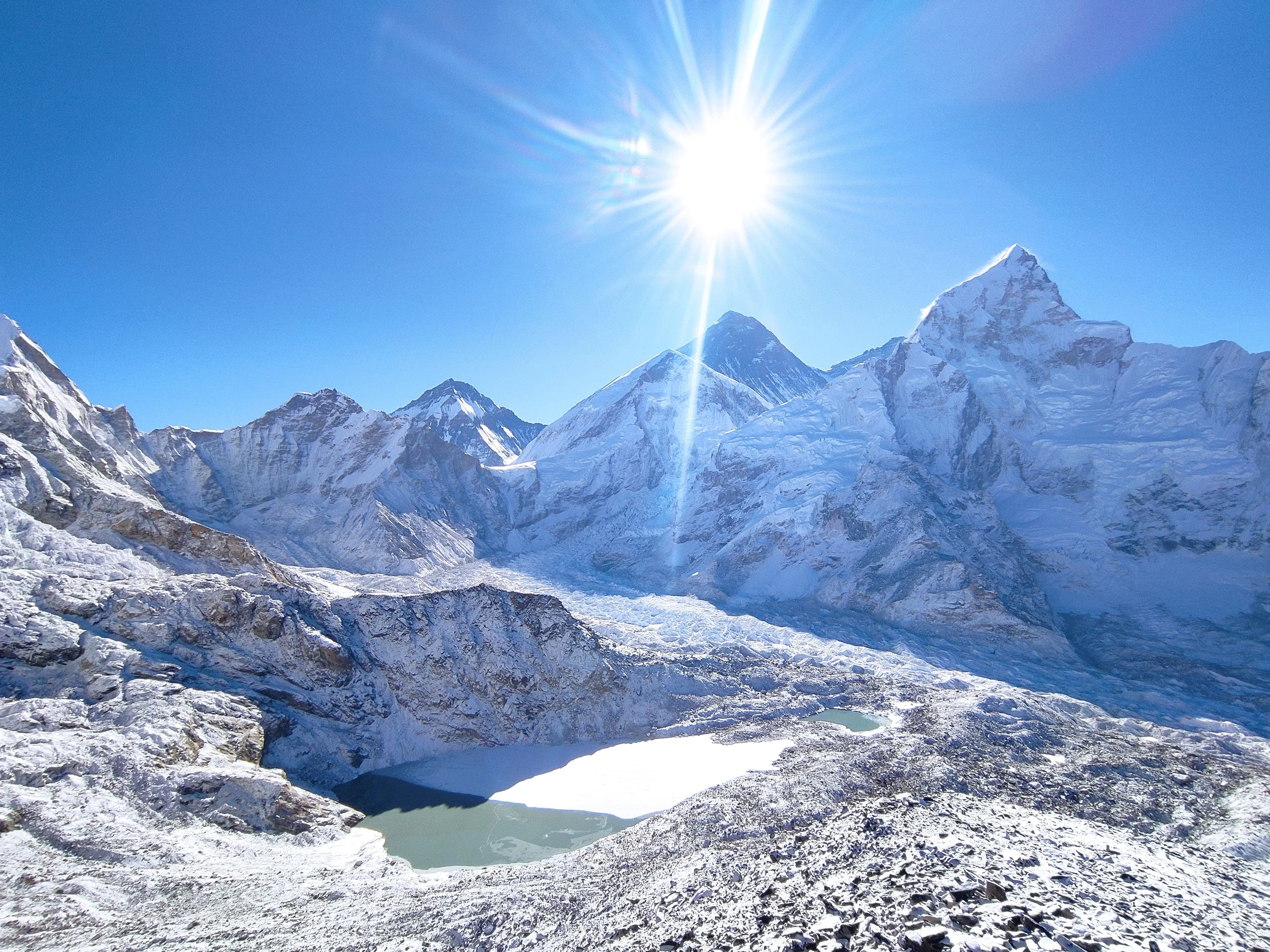
Hike to Everest Base Camp at approximately 5,364 metres.
Descend through Pheriche and Namche Bazaar on the return journey.
Experience the natural beauty, local hospitality and challenges of trekking in the Everest region.
Trekking Route
Kathmandu → Lukla → Phakding → Namche Bazaar → Pangboche → Thukla → Gorak Shep → Everest Base Camp → Pheriche → Namche Bazaar → Lukla → Kathmandu
The journey starts with a flight to Lukla and a walk to Phakding. Then keeps going towards Namche Bazaar. From Namche the path goes further into the Khumbu Valley towards Pangboche and the higher mountain areas around Thukla. The route then keeps moving towards Gorak Shep. Then a walk to Everest Base Camp. After seeing the base camp the return trip goes down through Pheriche and Namche Bazaar. Then back to Lukla for the flight back, to Kathmandu.
Sub Peaks and Mountain Views
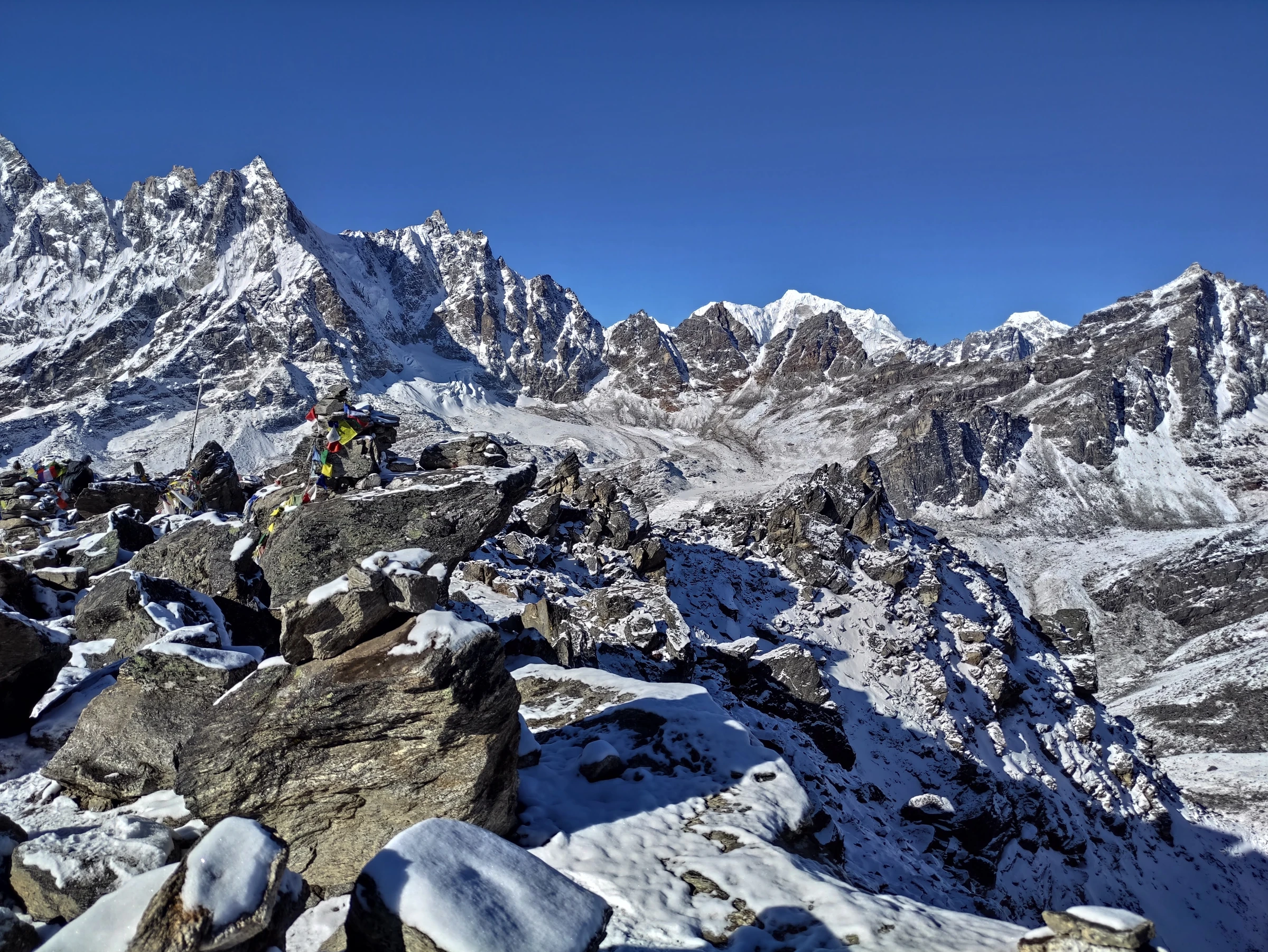
The Everest region features some of the world's most spectacular mountain scenery. Views depend on weather, cloud cover and the specific viewpoints reached along the route.
Mount Everest (8,848.86 m): The world's highest mountain and the defining landmark of the region.
Lhotse (8,516 m): A towering Himalayan peak connected to the Everest massif.
Nuptse (7,861 m): A dramatic mountain ridge near Everest that dominates parts of the upper Khumbu landscape.
Pumori (7,161 m): A prominent peak near Gorak Shep and the Everest Base Camp area.
Ama Dablam (6,812 m): One of the most recognisable mountains in the Khumbu, known for its elegant shape.
Thamserku (6,623 m): A striking peak visible from sections of the lower and central Khumbu route.
Kangtega (6,782 m): A dramatic Himalayan mountain that contributes to the scenery around the Namche region.
Trek Facts
Gorak Shep is the last settlement on the usual Everest Base Camp trail: Trekkers commonly use its lodges as a base before visiting Everest Base Camp or climbing toward Kala Patthar.
Everest Base Camp sits on the Khumbu Glacier landscape: The area is shaped by glacial ice, rock and changing seasonal conditions.
The terrain becomes more rugged with altitude: Forests and green valleys give way to rocky trails, glacial deposits and exposed mountain terrain.
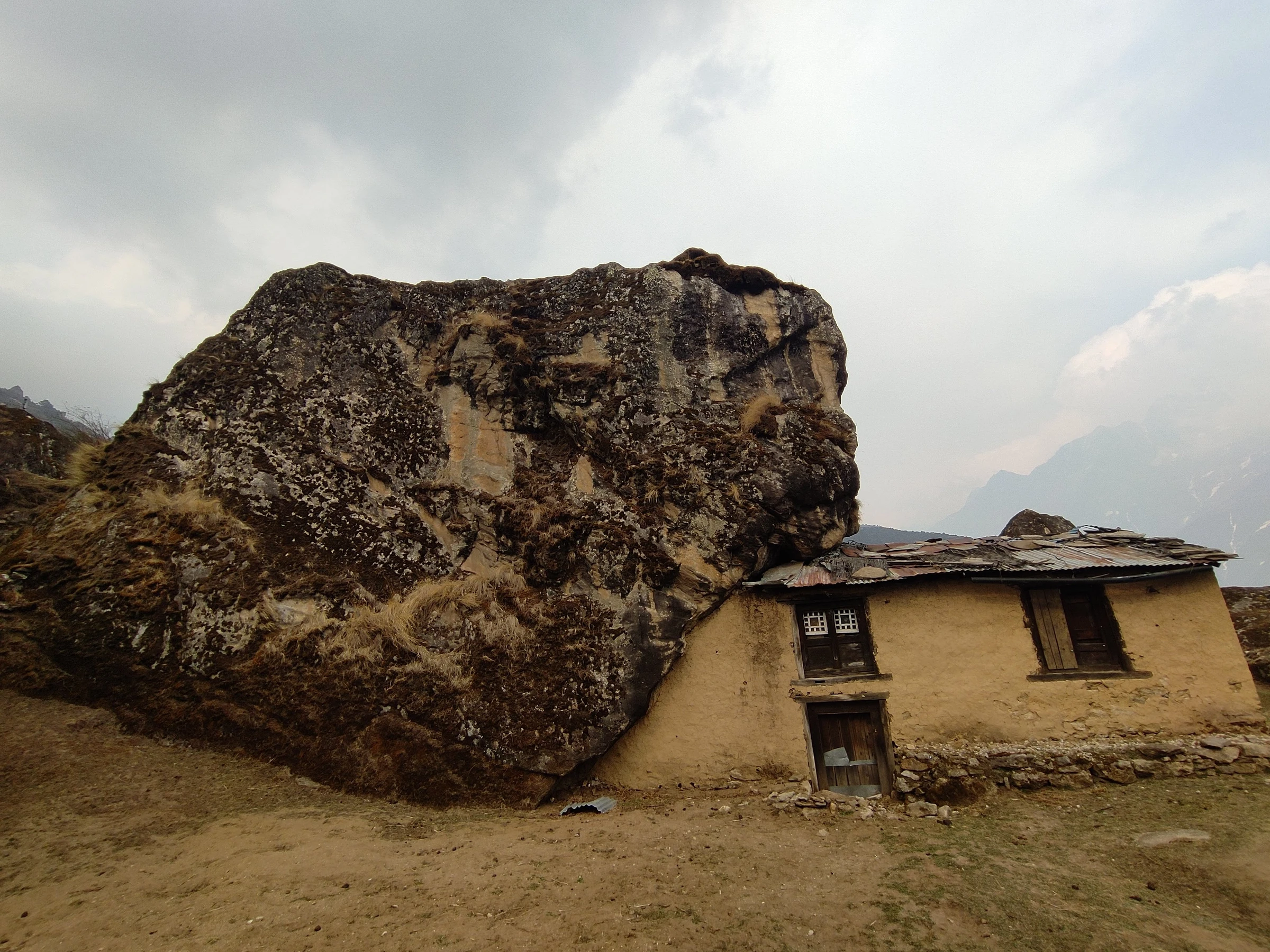
Sherpa culture is central to the region: Local communities have a long history of mountain travel, trade and mountaineering support.
Namche Bazaar is an important regional hub: It provides accommodation, supplies and services for trekkers travelling through the Khumbu.
Weather can change quickly: Cold temperatures, strong winds, snowfall and poor visibility can affect the upper trail.
Acclimatization matters: The body needs time to adjust to reduced oxygen at high altitude. A short itinerary does not reduce this physiological need.
The route is physically demanding: Long walking days at high altitude can feel much harder than similar distances at lower elevations.
Why Trek to Gorak Shep and Everest Base Camp?
Reach an Iconic Himalayan Destination
Everest Base Camp is one of the most recognised trekking destinations in the world. Reaching the base of the world's highest mountain provides a memorable experience of the scale, beauty and challenges of the Himalayas.
Experience the Upper Khumbu Valley
The journey passes through traditional Sherpa settlements and dramatic mountain landscapes, offering insight into life in one of Nepal's most celebrated trekking regions.
Discover the Glacier Landscape
The rocky terrain around Gorak Shep and the Khumbu Glacier gives trekkers a close look at the powerful natural forces that shape the high Himalayas.
Enjoy Exceptional Mountain Scenery
The trail offers opportunities to see major Himalayan peaks, glacial valleys and striking alpine landscapes. Conditions vary, so clear views cannot be guaranteed every day.
Challenge Yourself in the Himalayas
This route is physically demanding and requires careful preparation. For experienced trekkers, the journey can be a rewarding personal challenge, provided the schedule is appropriate for their health, experience and acclimatization.
Our recommendation: For most travellers, a longer Everest Base Camp itinerary with gradual ascent and dedicated acclimatization days is the better choice. A nine day version should only be offered after a qualified local operator reviews the itinerary and confirms that the route can be completed responsibly.
Best Season for the Everest Gorak Shep Trek
Spring: March to May
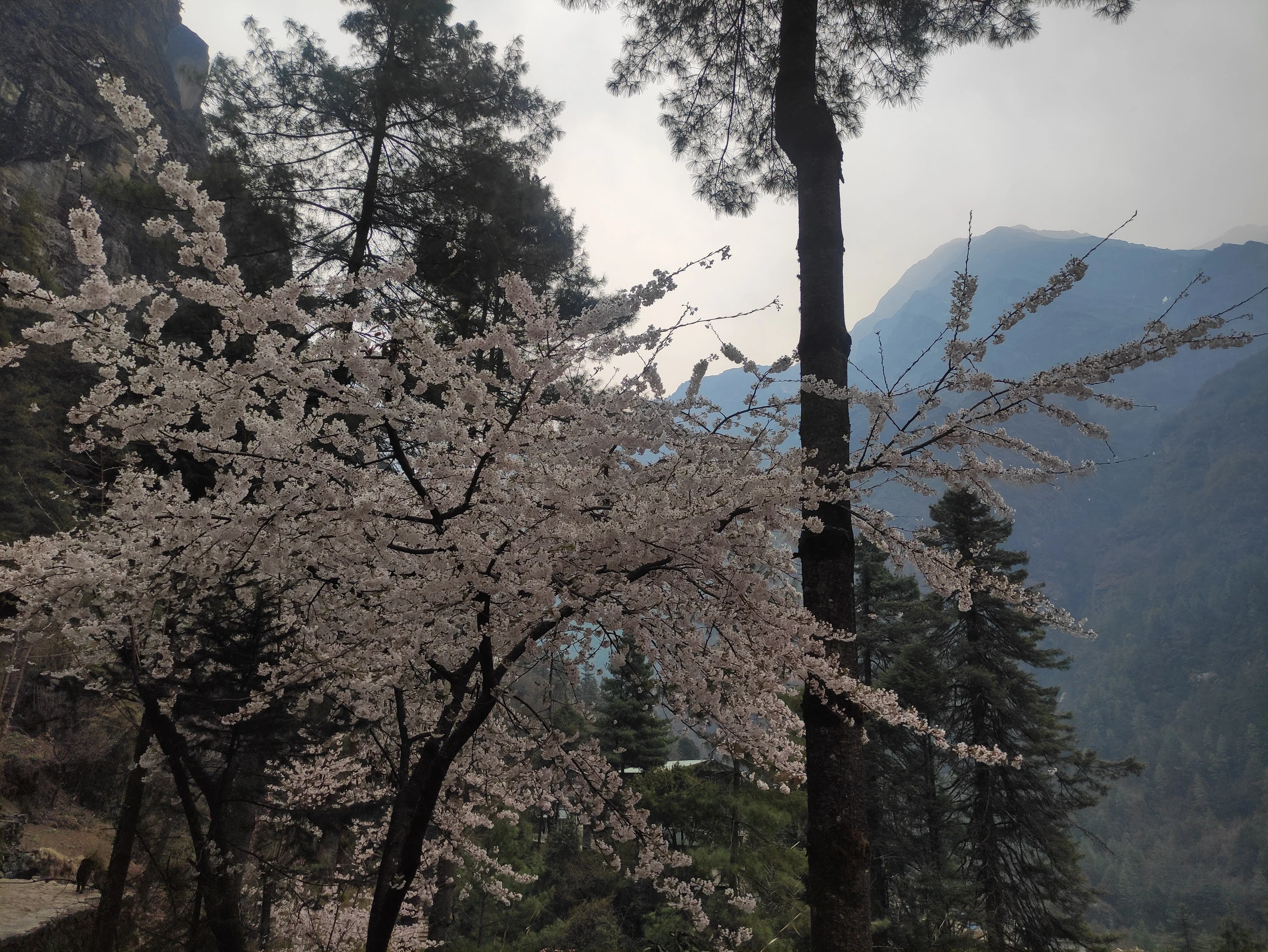
Spring is a popular trekking season in the Everest region. Daytime conditions can be favourable for walking, and lower forest sections may display seasonal rhododendron blooms. Mountain visibility can be excellent, although weather changes and cold conditions at high altitude remain possible.
Autumn: September to November
Autumn is another preferred trekking season, especially after the summer monsoon. Trails are often clearer, and mountain views can be impressive. October and November are busy trekking months, so accommodation and flight arrangements should be planned ahead.
Winter: December to February
Winter brings very cold nights and a greater possibility of snow, ice and challenging trail conditions at higher elevations. The upper route requires appropriate equipment, experienced support and flexible planning.
Monsoon: June to August
The monsoon season can bring rain, cloud, slippery trails and flight disruptions. Visibility may be limited, and mountain travel can become less predictable. Seek current local advice before choosing this season.
Recommended seasons: Spring and autumn are generally preferred, subject to current weather, trail conditions and the suitability of the itinerary.