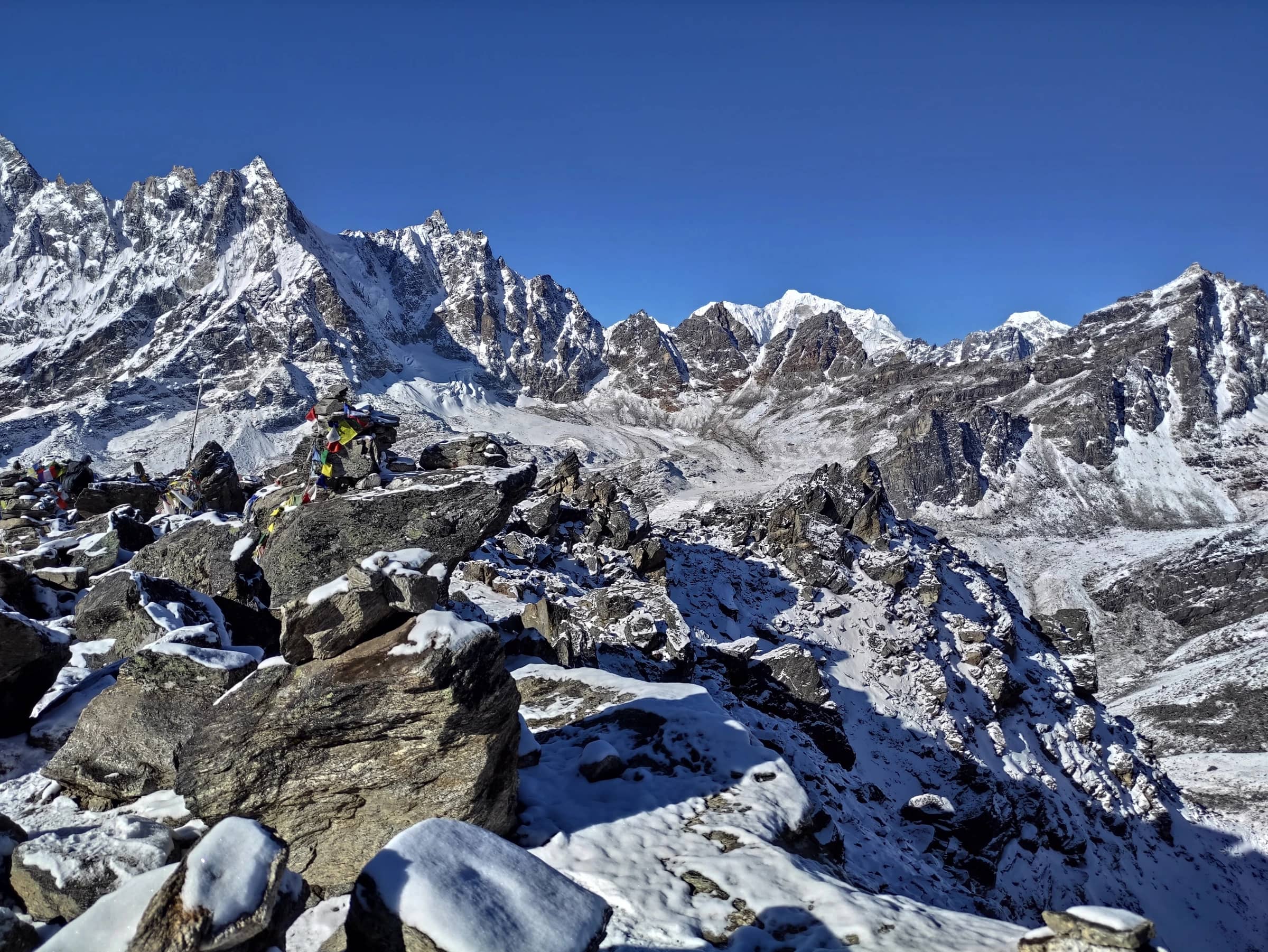
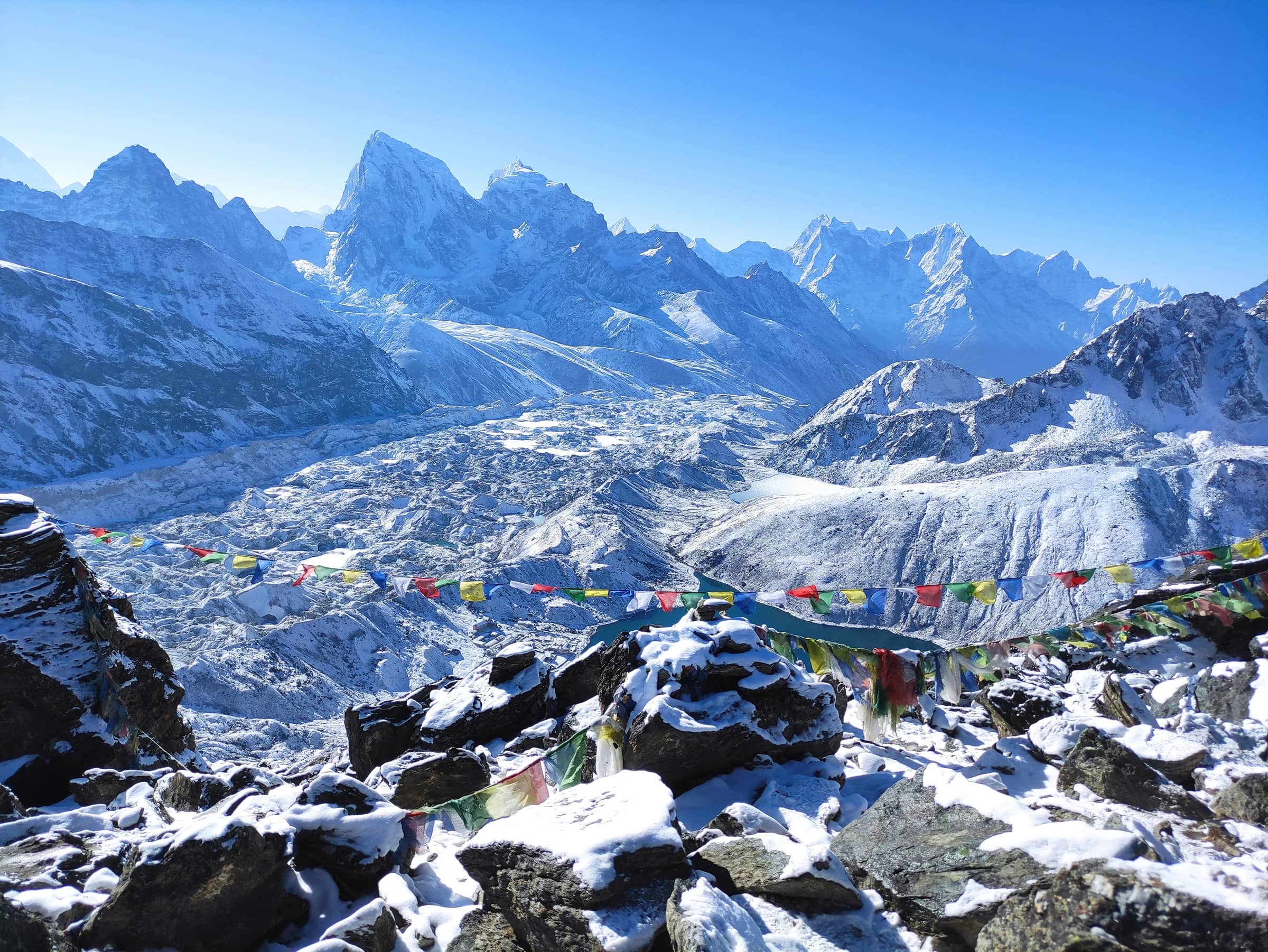
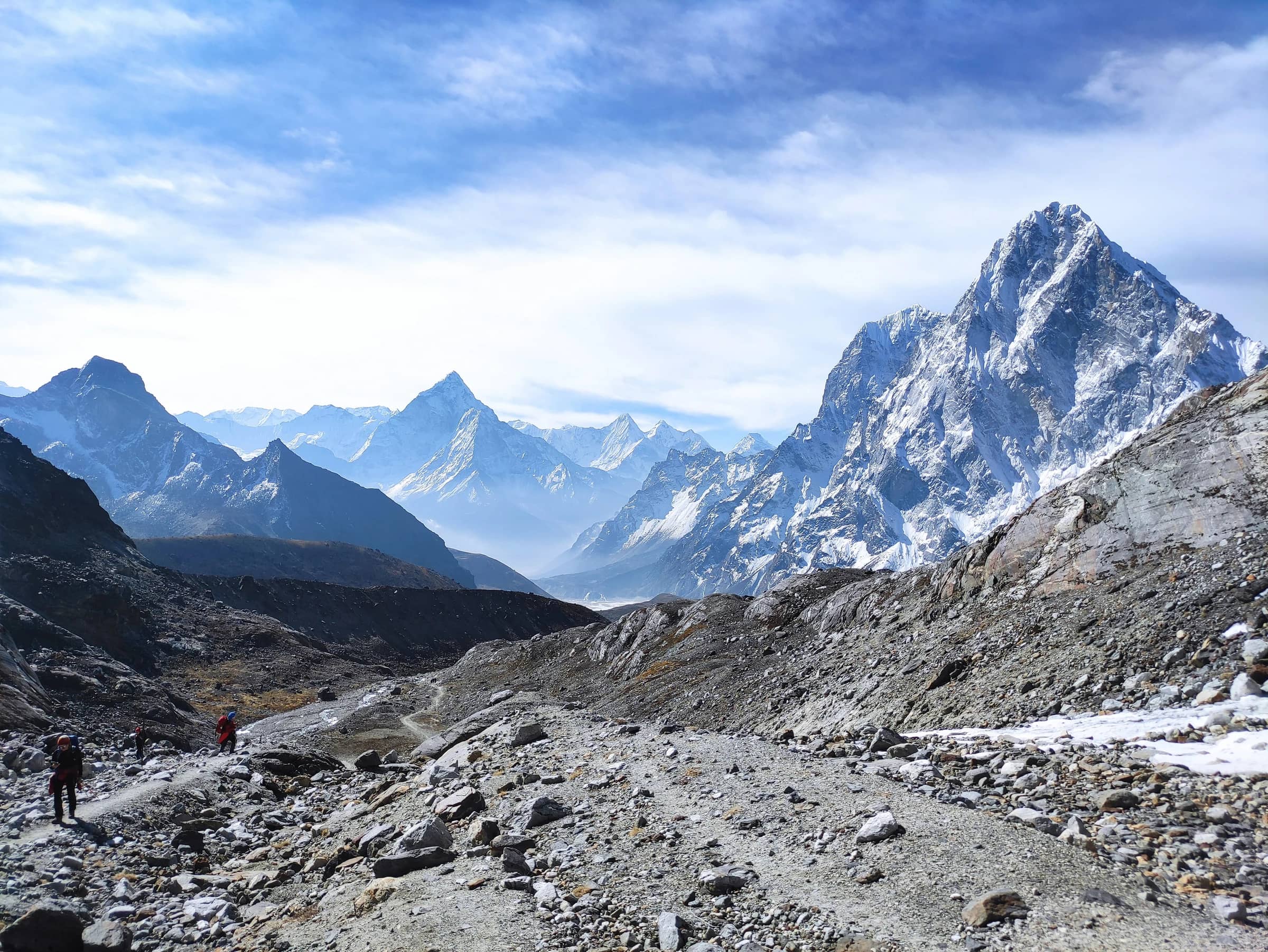
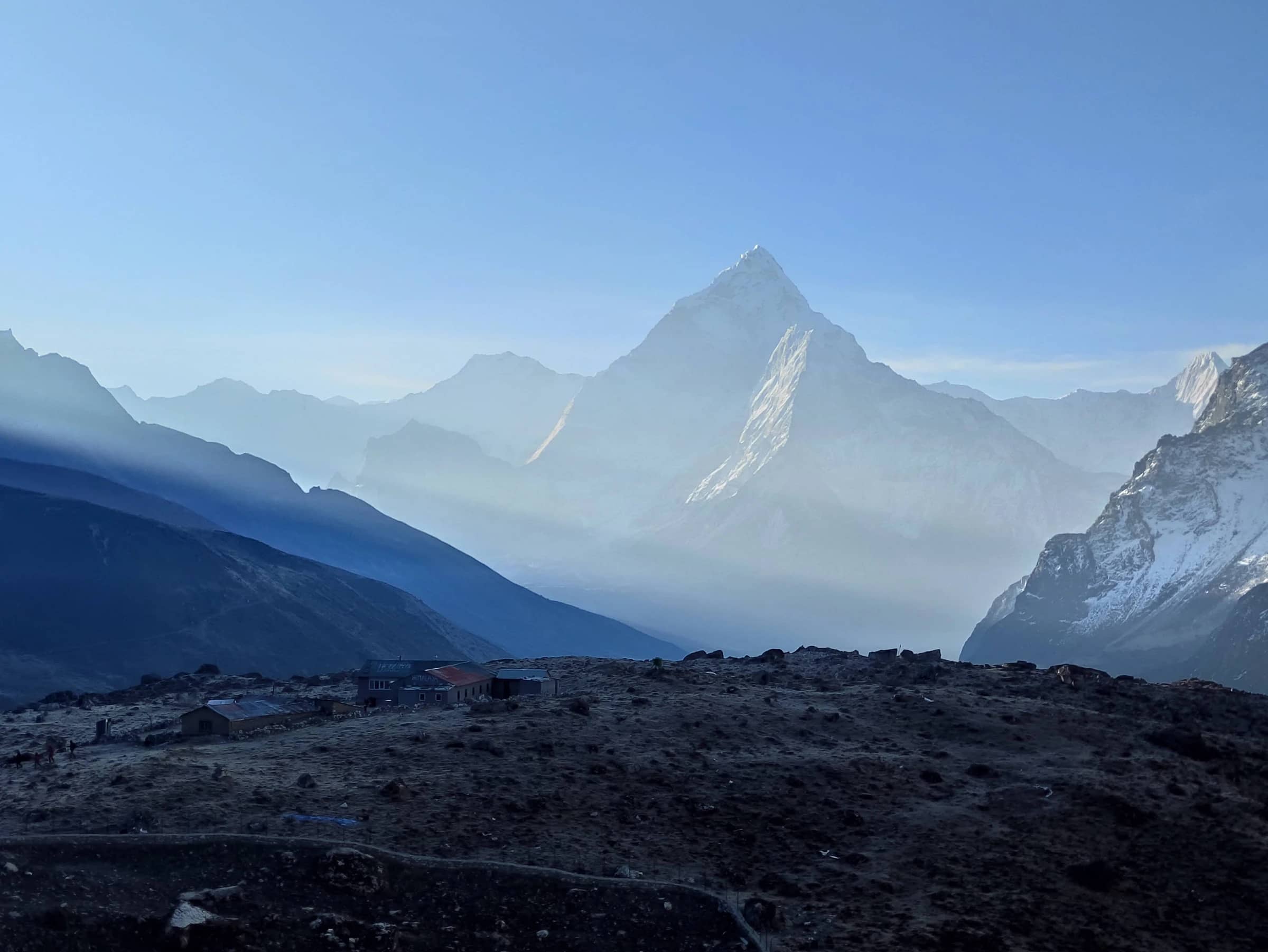
The Everest Lobuche Trek is a Himalayan adventure that brings together traditional Sherpa villages, high altitude scenery and two of the most celebrated places in the Everest area: Everest Base Camp and Kala Patthar. This 13‑day trek follows a trail that starts in Lukla passes through Phakding and Namche Bazaar and then takes a quieter path, toward Phortse. The Everest Lobuche Trek continues through Dingboche and Lobuche to Gorak Shep, where hikers go to Everest Base Camp and climb Kala Patthar to see a mountain view.
The trek happens in the Khumbu area of Nepal inside the bigger Everest trekking region and Sagarmatha National Park. It starts with a flight to Lukla. The path goes along the Dudh Koshi valley. Then goes up toward Namche Bazaar. From that place the trail goes through Phortse and Dingboche. It keeps going toward Lobuche, Gorak Shep and Everest Base Camp. The way back goes down through Pheriche and Tengboche. Then it comes back to Namche Bazaar and Lukla for the flight, to Kathmandu.
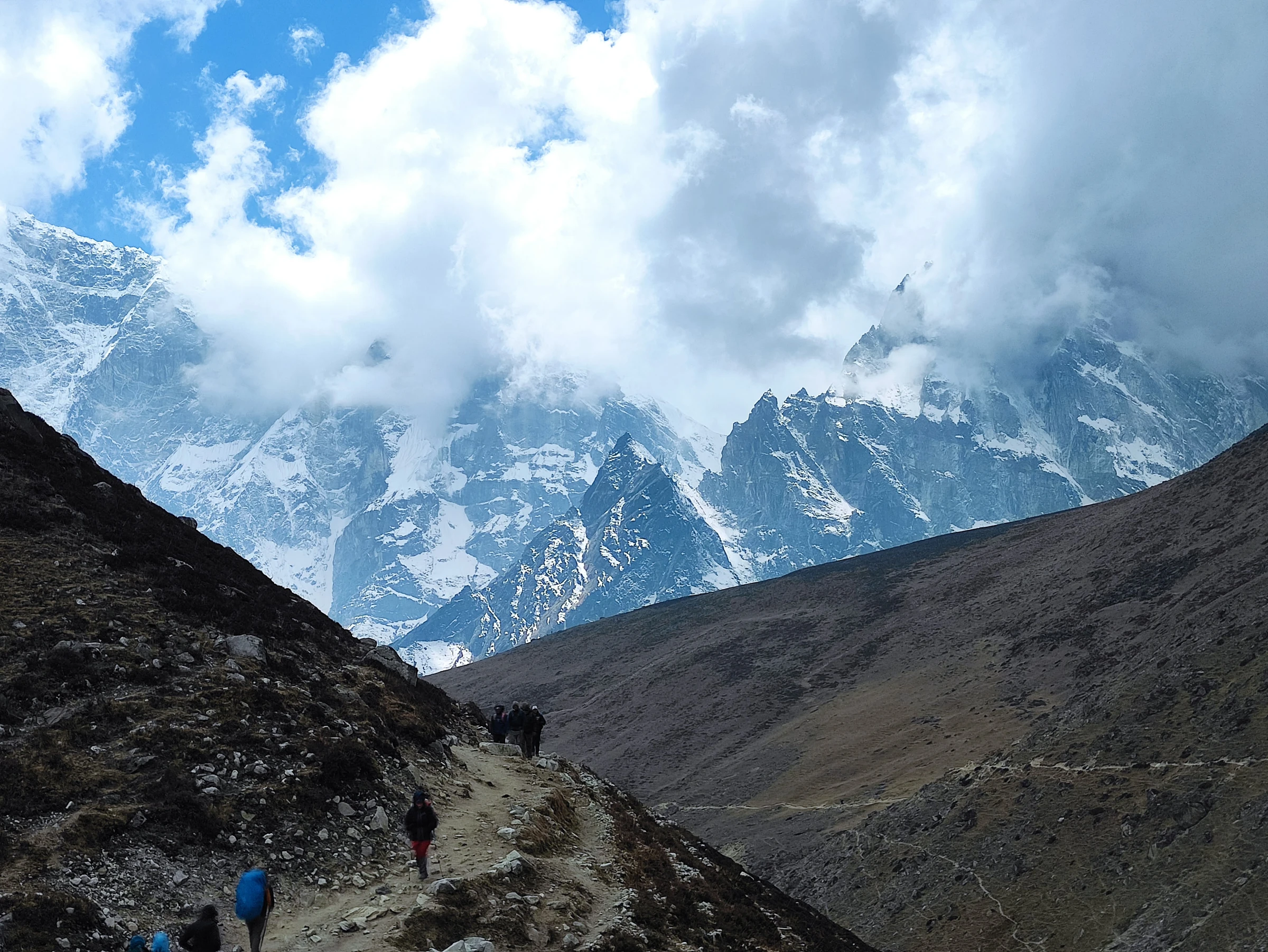
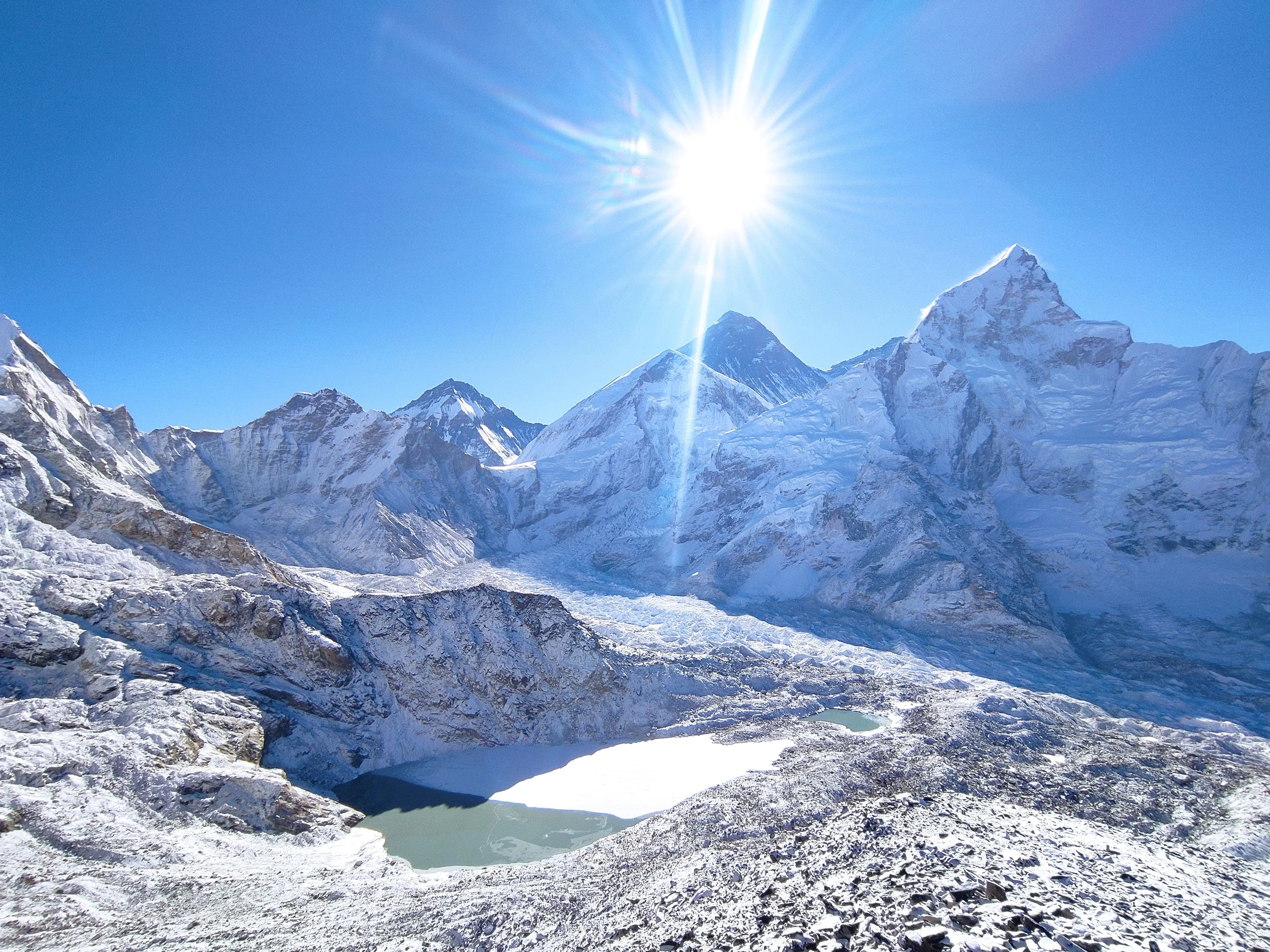
The Everest Lobuche Trek shows how the Himalayas change, from riverside paths, suspension bridges and pine woods to alpine valleys and hard glacial ground. In Phortse the traditional Sherpa village feels alive and in Dingboche the wide mountain views and stone‑walled fields look beautiful. As we go higher the scenery gets more dramatic and when the sky is clear we can see Ama Dablam, Lhotse, Nuptse, Pumori and other Himalayan peaks. Visiting Everest Base Camp and climbing Kala Patthar at sunrise are the scenic moments of the trek.
The Everest Lobuche Trek is a choice for people who want a rewarding experience, in the Everest region. It gives them time to get used to the altitude and a path that goes through Sherpa villages. The Everest Lobuche Trek mixes learning about culture with the challenge of going to high places. The Everest Lobuche Trek takes you to Everest Base Camp and Kala Patthar. Even though the schedule has rest days in Namche Bazaar and Dingboche climbing at altitude still needs careful planning, slow movement and watching for body signs. With local help and flexible plans the Everest Lobuche Trek can become a memorable Himalayan adventure.
Main Highlights
Enjoy a scenic flight from Kathmandu to Lukla, the gateway to the Everest region.
Trek through Phakding and along the Dudh Koshi valley toward Namche Bazaar.
Spend an acclimatization day exploring Namche Bazaar and its surrounding viewpoints.
Follow the scenic trail to Phortse, a traditional Sherpa settlement with beautiful mountain surroundings.
Explore Dingboche, a high altitude village surrounded by stone-walled fields and Himalayan peaks.
Take an acclimatization and exploration day in Dingboche before continuing higher.
Trek through the rugged alpine terrain toward Lobuche and the Khumbu Glacier region.
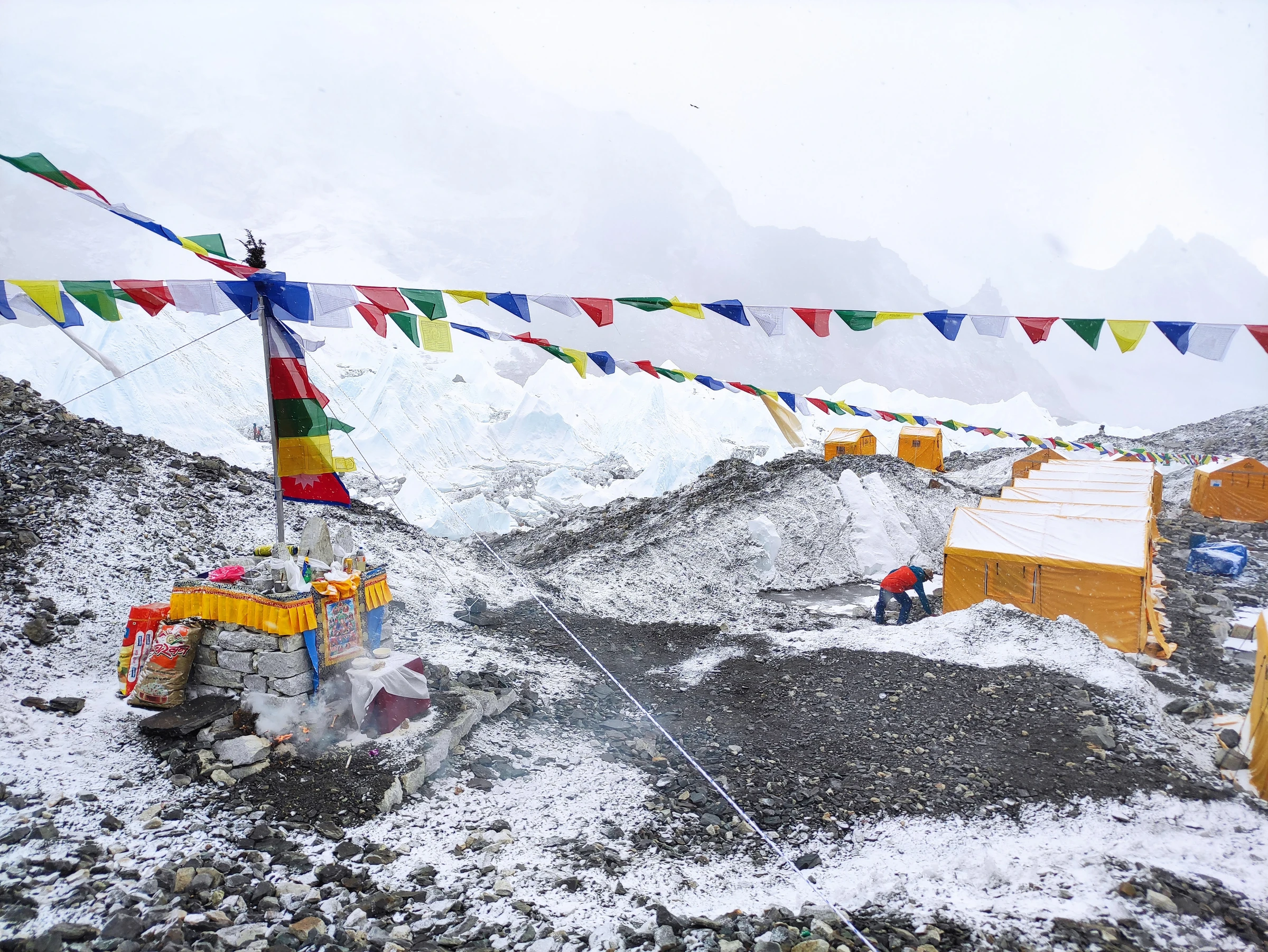
Visit Everest Base Camp at approximately 5,364 metres.
Hike to Kala Patthar for one of the region’s most celebrated panoramic viewpoints.
Descend through Pheriche and Tengboche before returning to Lukla and Kathmandu.
Trekking Route
Kathmandu → Lukla → Phakding → Namche Bazaar → Acclimatization in Namche → Phortse → Dingboche → Acclimatization in Dingboche → Lobuche → Gorak Shep → Everest Base Camp → Kala Patthar → Pheriche → Tengboche → Namche Bazaar → Lukla → Kathmandu
The journey begins with a flight to Lukla and a trek to Phakding before climbing to Namche Bazaar, the main Sherpa trading town in the Khumbu. After an acclimatization day, the route follows the Phortse trail through traditional mountain settlements toward Dingboche, where another day is reserved for acclimatization and exploration. The trail then continues to Lobuche and Gorak Shep, followed by a visit to Everest Base Camp and a hike to Kala Patthar. The return route descends through Pheriche and Tengboche before continuing to Namche Bazaar and Lukla for the flight back to Kathmandu.
Sub Peaks and Mountain Views
The Everest region is home to some of the world's most recognisable Himalayan peaks. Views depend on weather, visibility and the viewpoints reached along the trail.
Mount Everest (8,848.86 m): The world's highest mountain and the defining landmark of the region.
Lhotse (8,516 m): A major Himalayan peak connected to the Everest massif.
Nuptse (7,861 m): A dramatic mountain ridge near Everest that dominates sections of the upper Khumbu landscape.
Pumori (7,161 m): A striking peak near Gorak Shep and the Everest Base Camp area.
Ama Dablam (6,812 m): One of the most recognisable mountains in the Khumbu, known for its elegant shape and steep ridgelines.
Thamserku (6,623 m): A prominent peak visible from parts of the lower and central Khumbu route.
Kangtega (6,782 m): A dramatic Himalayan mountain that contributes to the scenery around the Namche region.
Cholatse (6,440 m): A striking peak in the upper Khumbu region, visible from selected viewpoints.
Kala Patthar viewpoint: Kala Patthar is especially popular for its broad view of the Everest massif. Everest Base Camp offers a different experience, with a closer look at the Khumbu Glacier landscape and the seasonal mountaineering camp area.
Trek Facts
Phortse offers a different village experience: The trail through Phortse provides an opportunity to experience a traditional Sherpa settlement away from some of the busiest sections of the main Everest Base Camp route.
Namche Bazaar is a regional hub: The town provides important services, supplies and accommodation for trekkers and mountain communities.
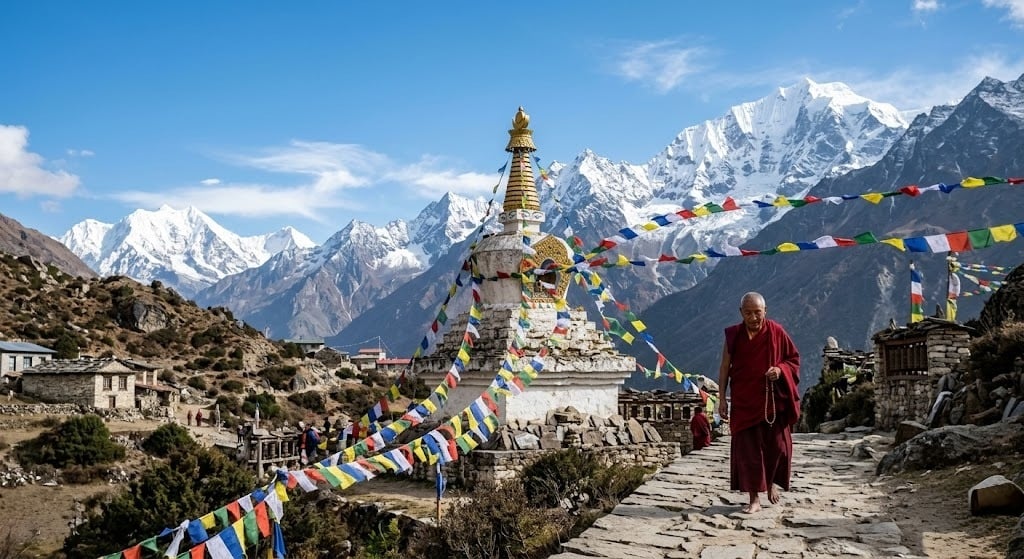
Dingboche sits in a high alpine valley: Its stone-walled fields and surrounding peaks reflect how local communities adapt to a demanding mountain environment.
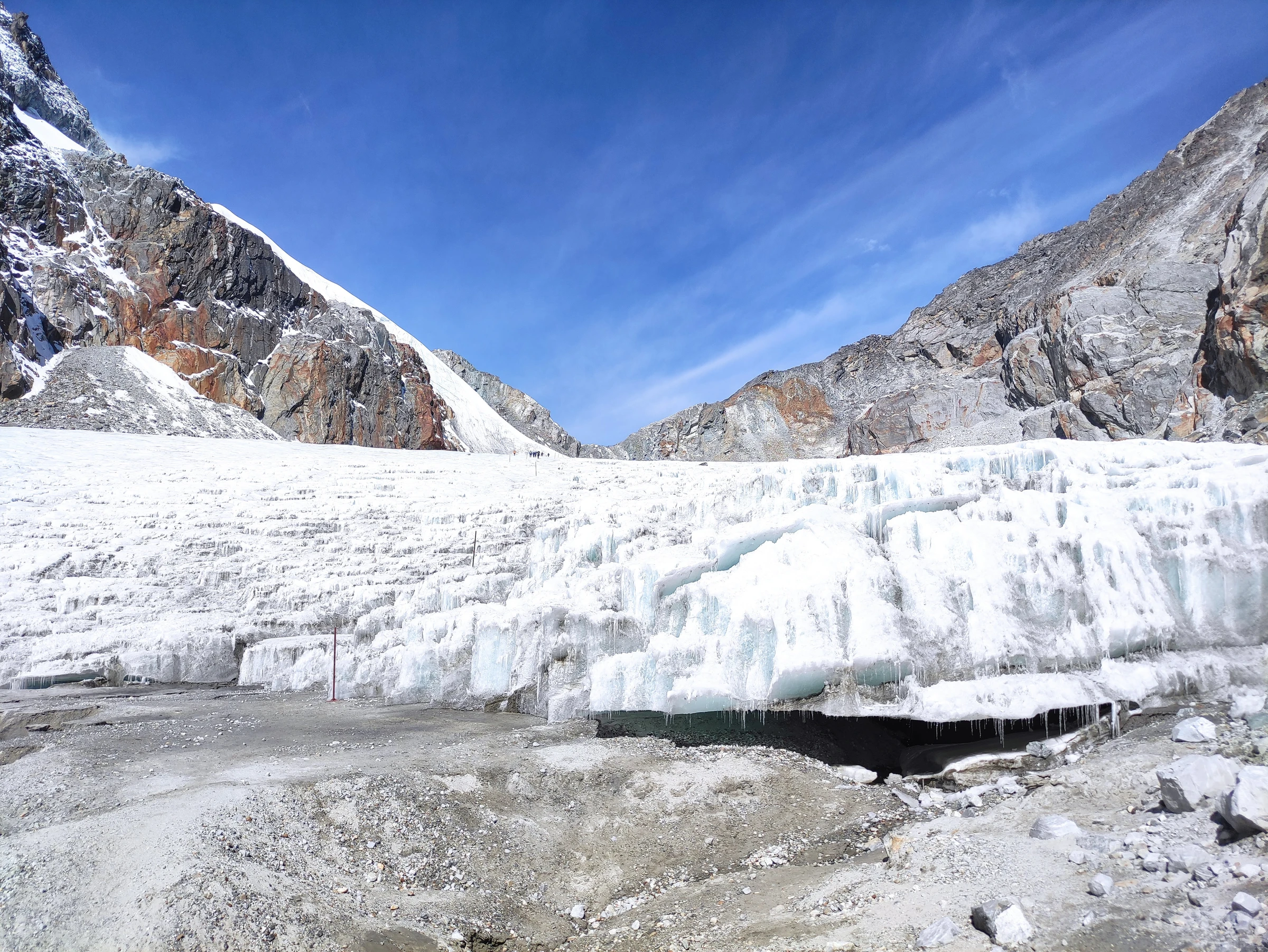
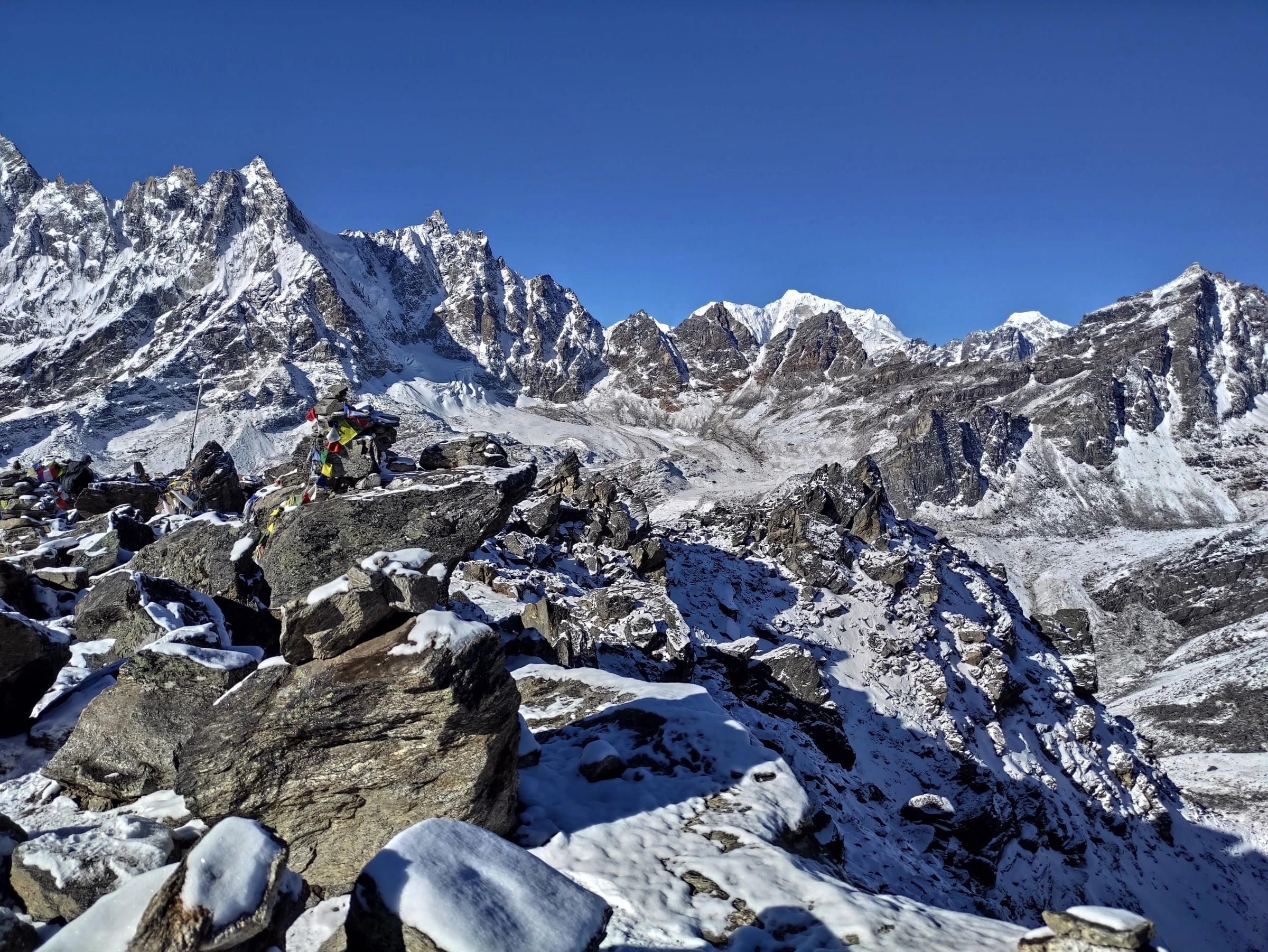
Lobuche lies near the Khumbu Glacier: The landscape becomes rockier and more exposed as the route approaches Gorak Shep and Everest Base Camp.
Gorak Shep is the usual base for the final approach: Trekkers commonly stay here before visiting Everest Base Camp or climbing Kala Patthar.
Kala Patthar is a viewpoint rather than a trekking pass: Its popularity comes from the panoramic view of Everest and surrounding peaks.
The two acclimatization days are important: Rest and appropriate acclimatization hikes help the body adjust to increasing elevation, but they do not eliminate the risk of altitude illness.
Mountain flights can be disrupted: Weather and visibility can affect flights to and from Lukla, so flexible travel arrangements are essential.
Why Trek the Everest Lobuche Route?
Visit Everest Base Camp
Everest Base Camp is one of Nepal's most iconic trekking destinations. Reaching it offers a memorable experience of the Khumbu Glacier landscape and the environment used by mountaineering expeditions during the climbing season.
Climb Kala Patthar for Panoramic Views
Kala Patthar is one of the best-known viewpoints in the Everest region. The climb is demanding at high altitude, but on a clear morning the viewpoint offers an exceptional panorama of Everest and the surrounding Himalayan peaks.
Experience Sherpa Culture
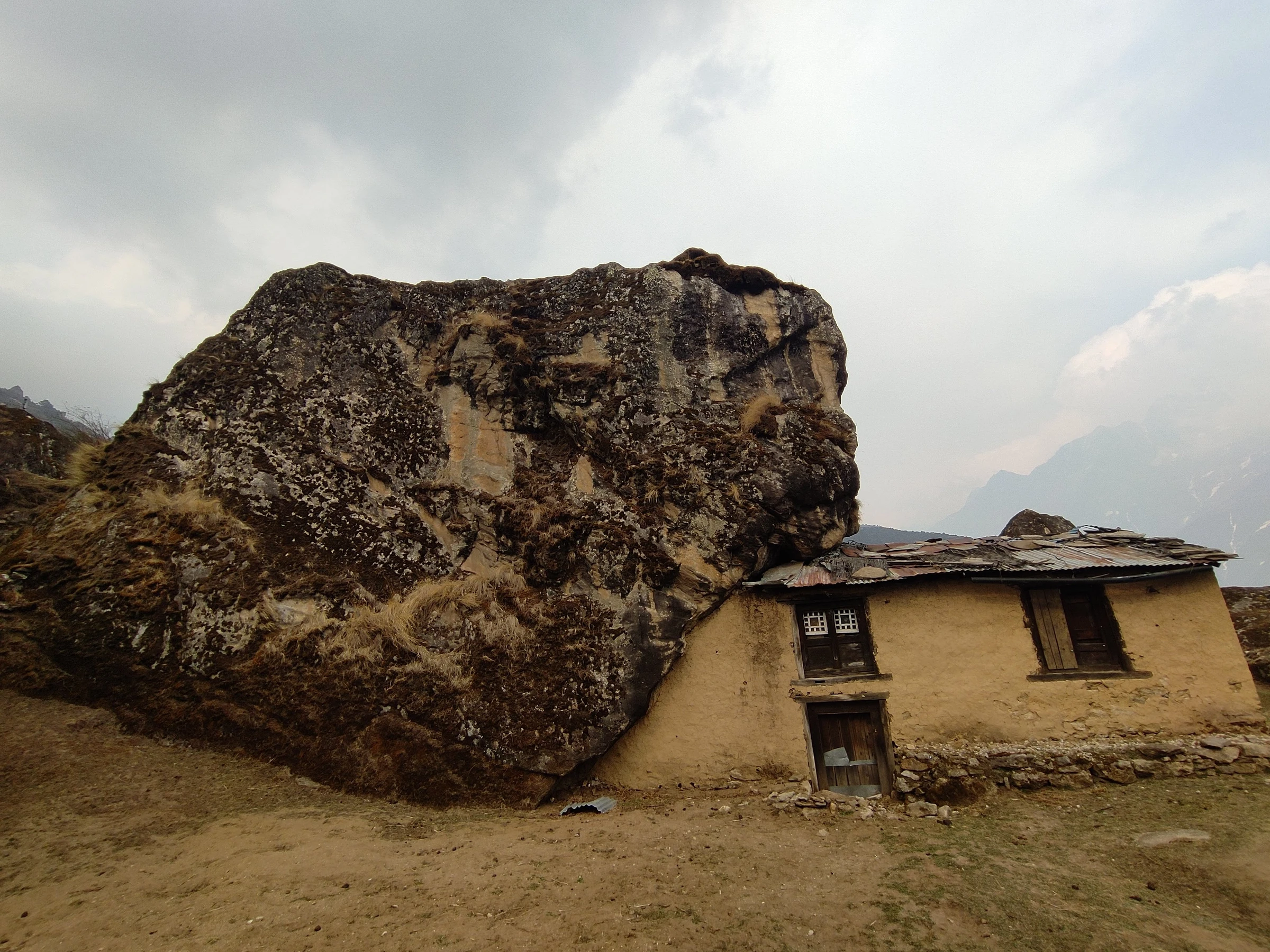
From Namche Bazaar to Phortse and Dingboche, the route passes through communities shaped by mountain life, Buddhist traditions and generations of Himalayan travel. Staying in local teahouses provides opportunities to experience regional hospitality.
Explore a Scenic Alternative Through Phortse
The Phortse route adds variety to the journey and offers a closer look at a traditional Sherpa settlement. It provides a different perspective on the Khumbu before the trail rejoins the higher route toward Dingboche.
Allow Time for Acclimatization
The itinerary includes rest and exploration days in Namche Bazaar and Dingboche. These days provide time to adjust to altitude and explore the surrounding area, although individual responses to altitude vary and symptoms must always be taken seriously.
Experience Changing Himalayan Landscapes
The trek moves from river valleys and forests to high mountain villages, rocky slopes and glacial terrain. This variety makes the journey rewarding for travellers interested in both natural scenery and local culture.
Best Season for the Everest Lobuche Trek
Spring: March to May
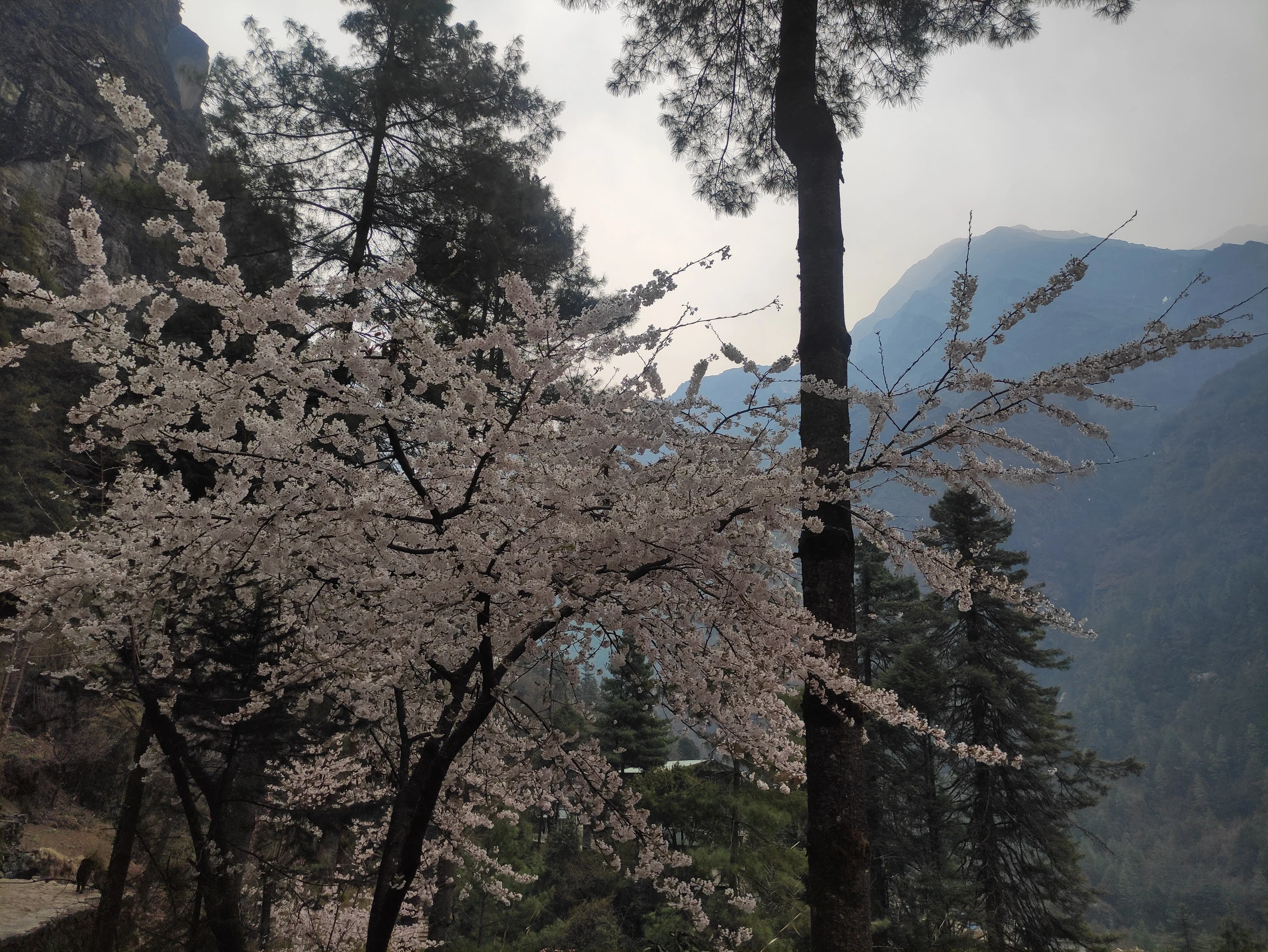
Spring is one of the most popular seasons for trekking in the Everest region. Daytime conditions can be favourable for walking, and rhododendron forests at lower elevations may bloom. Mountain views can be excellent, although cloud, wind and cold conditions remain possible at higher altitudes.
Autumn: September to November
Autumn is another preferred season, particularly after the summer monsoon. Trails are often clearer, and mountain visibility can be impressive. October and November are busy months, so booking accommodation and flights in advance is recommended.
Winter: December to February
Winter brings very cold nights and an increased chance of snow, ice and challenging trail conditions at higher elevations. The route may still be possible with appropriate equipment and experienced local support, but conditions should be checked carefully before departure.
Monsoon: June to August
The monsoon season can bring rain, cloud, slippery trails and flight disruptions. Mountain views may be limited, and travel plans can be less predictable. Seek current local advice before planning a departure during this period.
Recommended seasons: Spring and autumn are generally preferred for the Everest Lobuche Trek, subject to current weather and trail conditions.