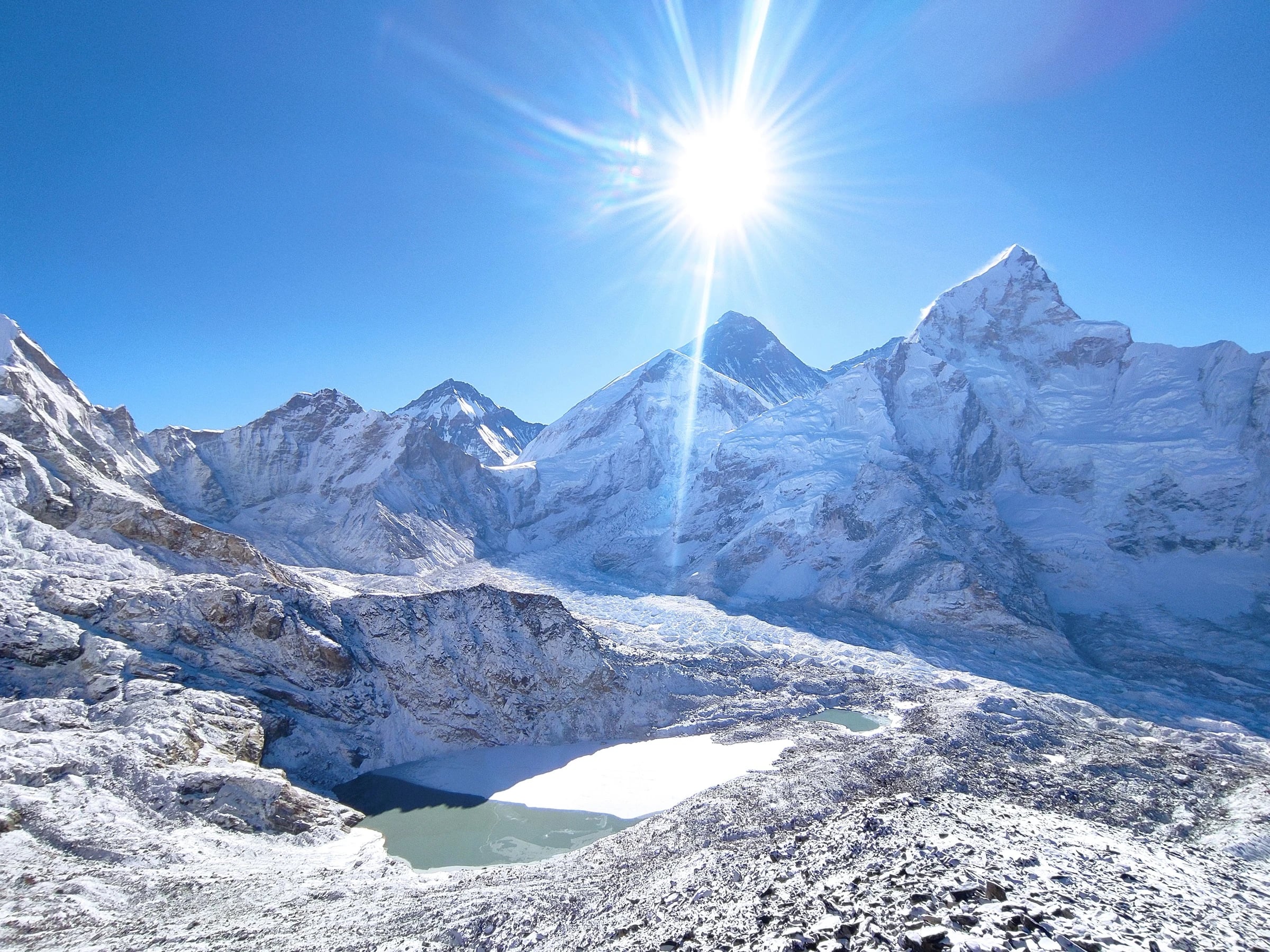
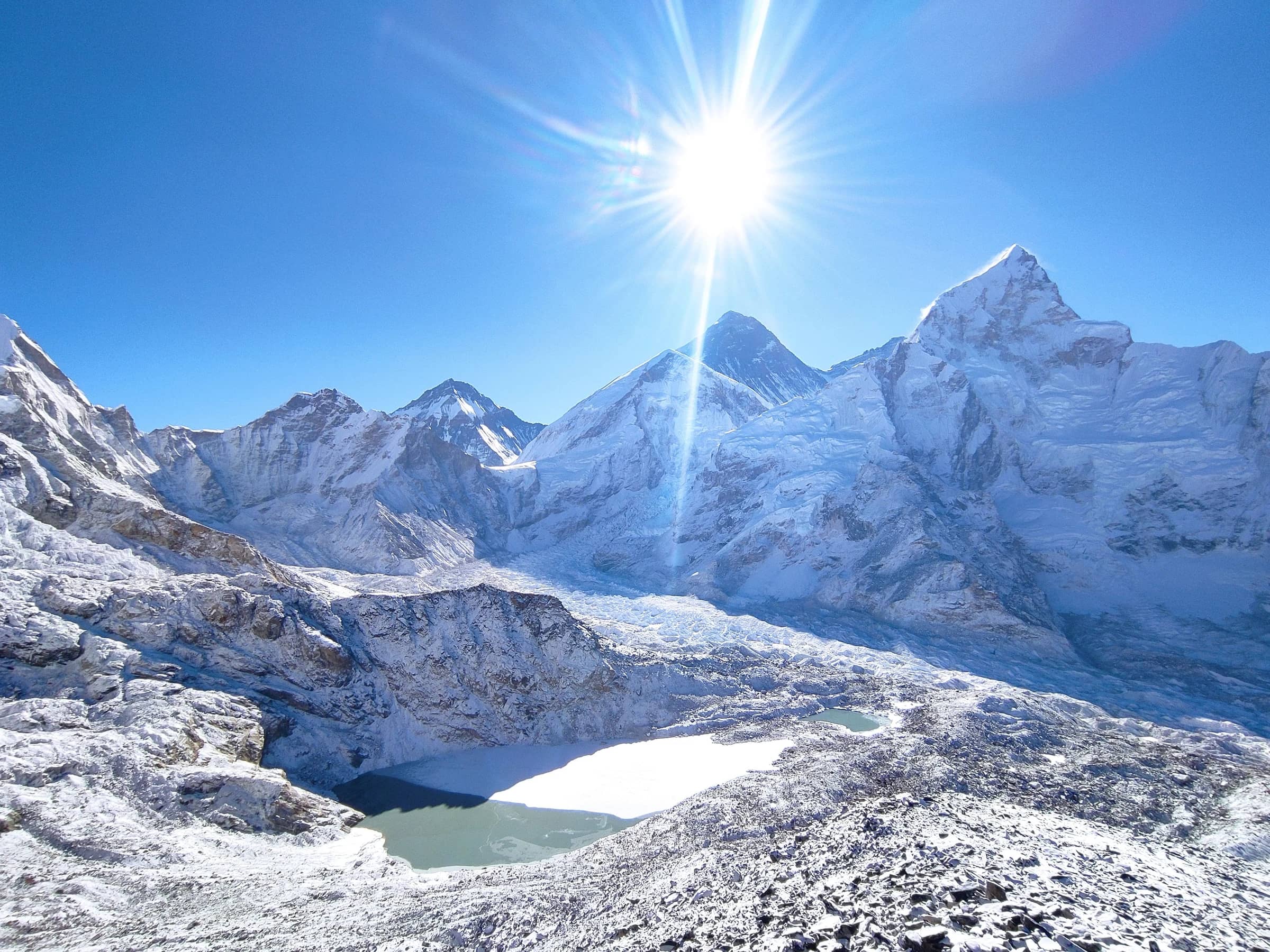
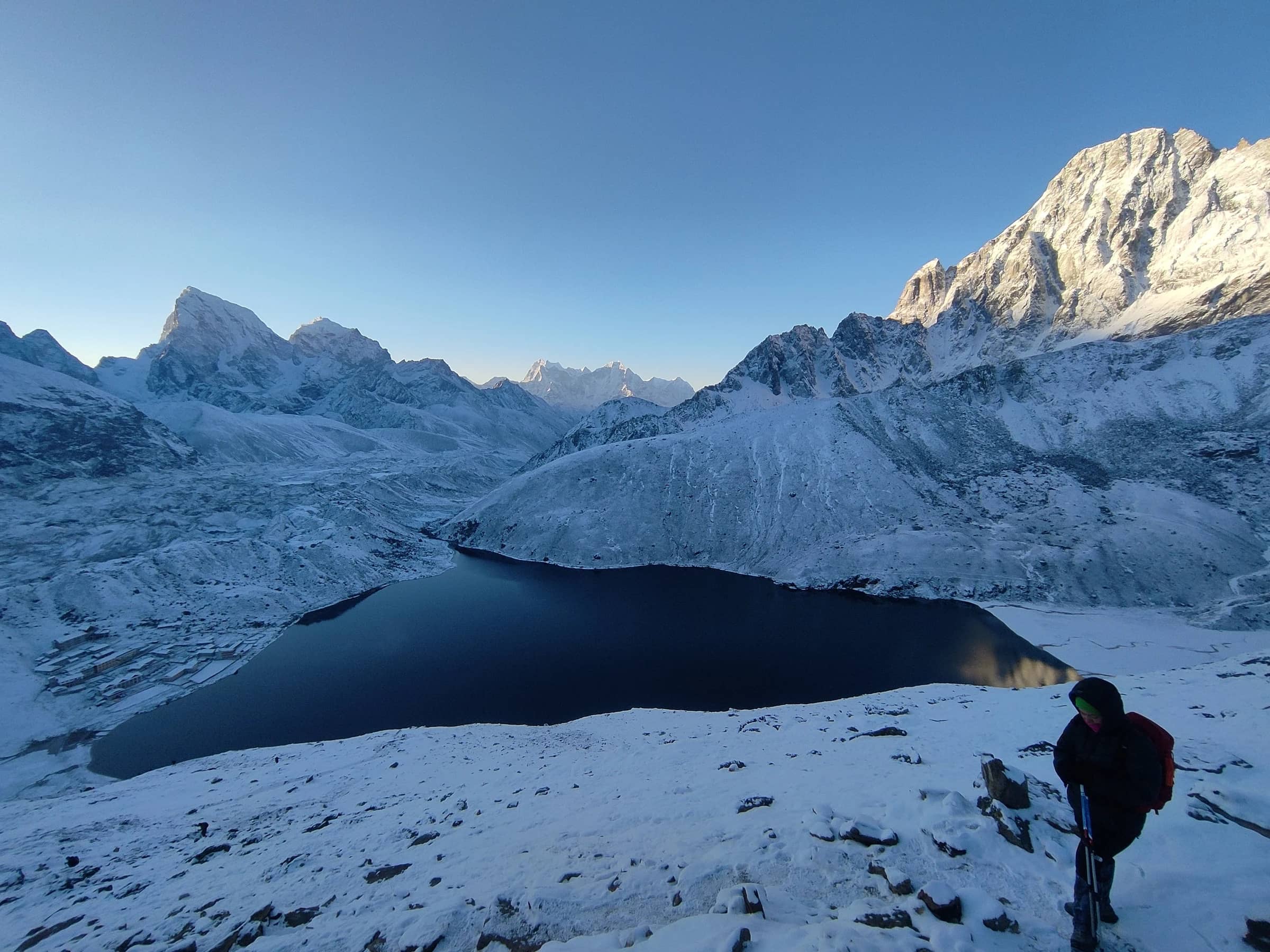
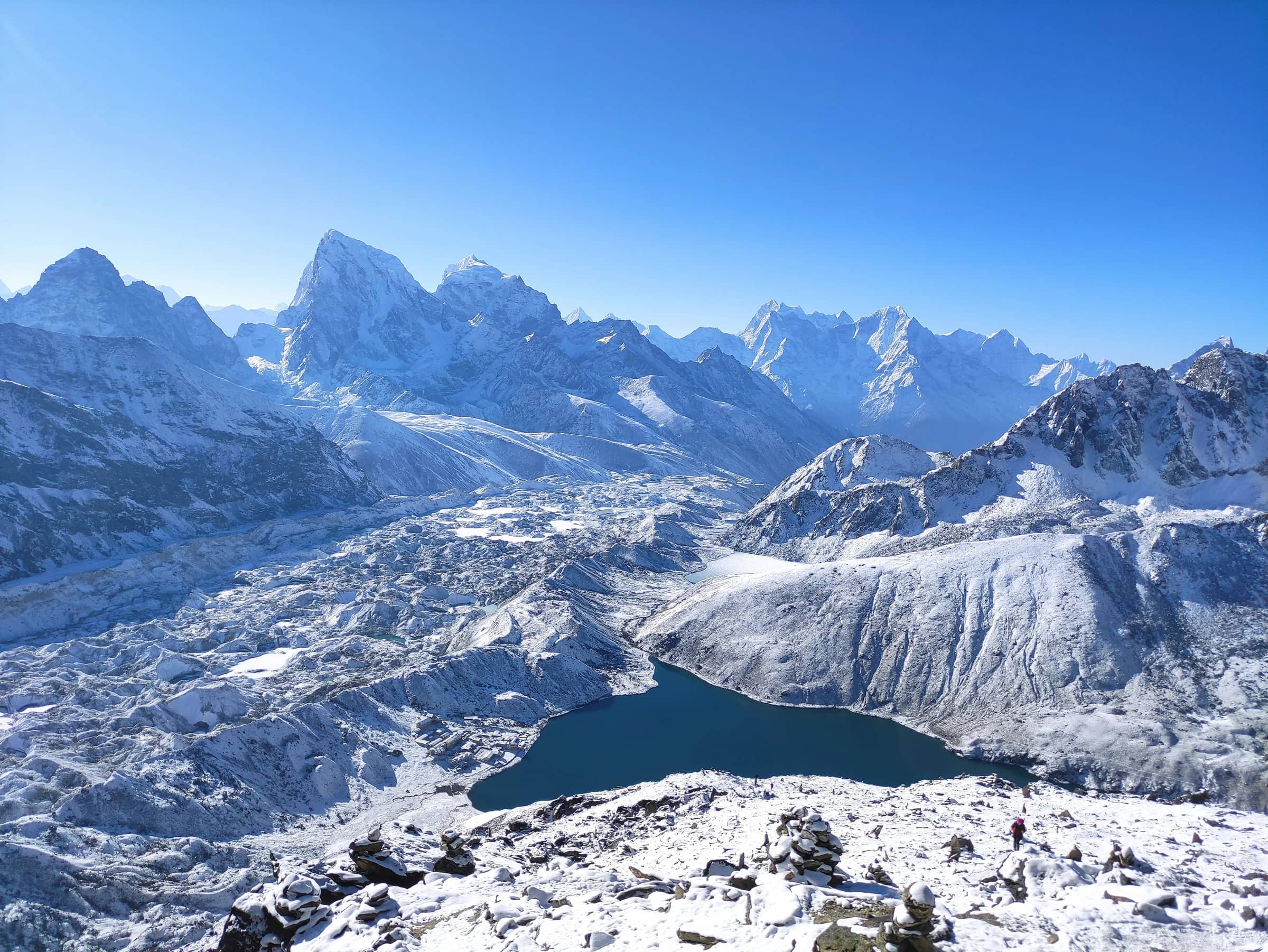
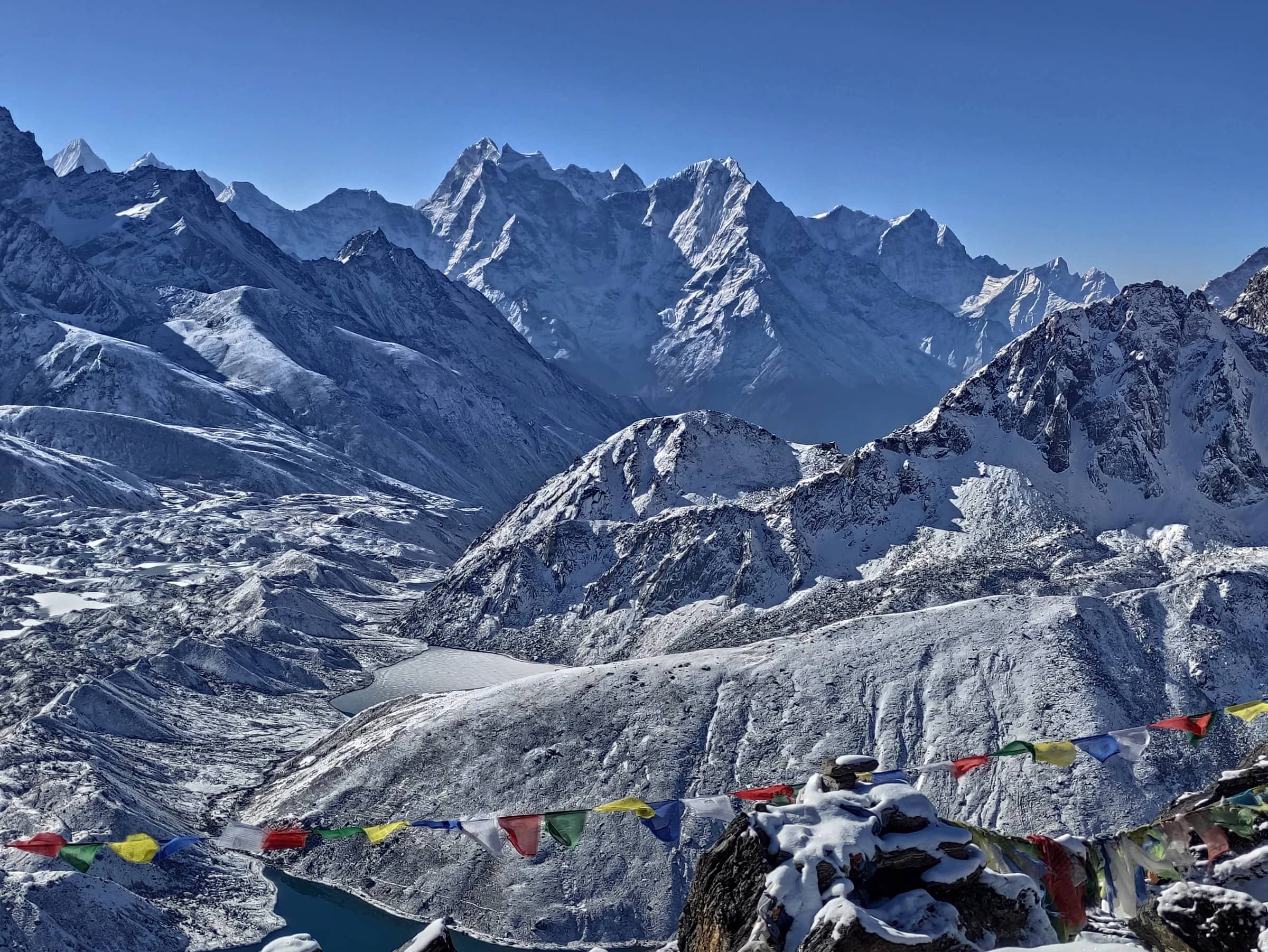
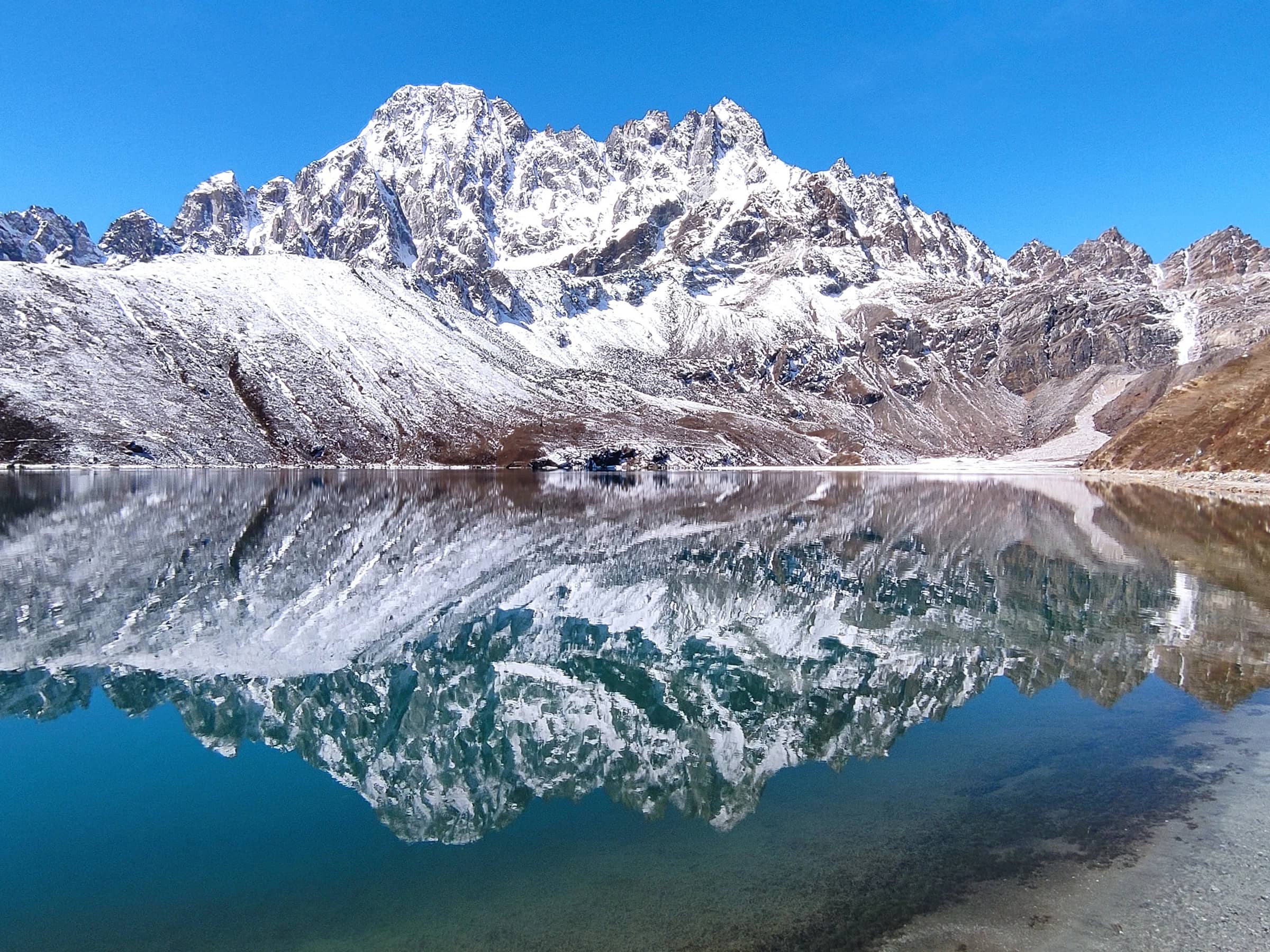
The Everest Base Camp and Gokyo Lakes Homestay Trek is a journey through the heart of Nepal’s Khumbu region. I imagine the trek taking me through the Gokyo Valley while the legendary Everest Base Camp route pulls me forward. This fifteen‑day trek offers a mix of Himalayan scenery traditional Sherpa culture, peaceful mountain settlements and high‑altitude adventure. From the turquoise Gokyo Lakes to the landscape, around Everest Base Camp every stage introduces a different side of the Everest region.
Located in Nepal within the Everest region the trek follows mountain trails that wind past Phakding, Namche Bazaar, Khumjung, Phortse, Machhermo and Gokyo. From there the trail crosses Cho La Pass toward Dzongla and Lobuche. The trek then leads to Gorak Shep to Everest Base Camp and, to Kala Patthar. Afterward the trail descends through Pheriche and Namche Bazaar ending in Lukla. The path goes through the Sagarmatha National Park offering views of some of the world’s most celebrated Himalayan peaks.
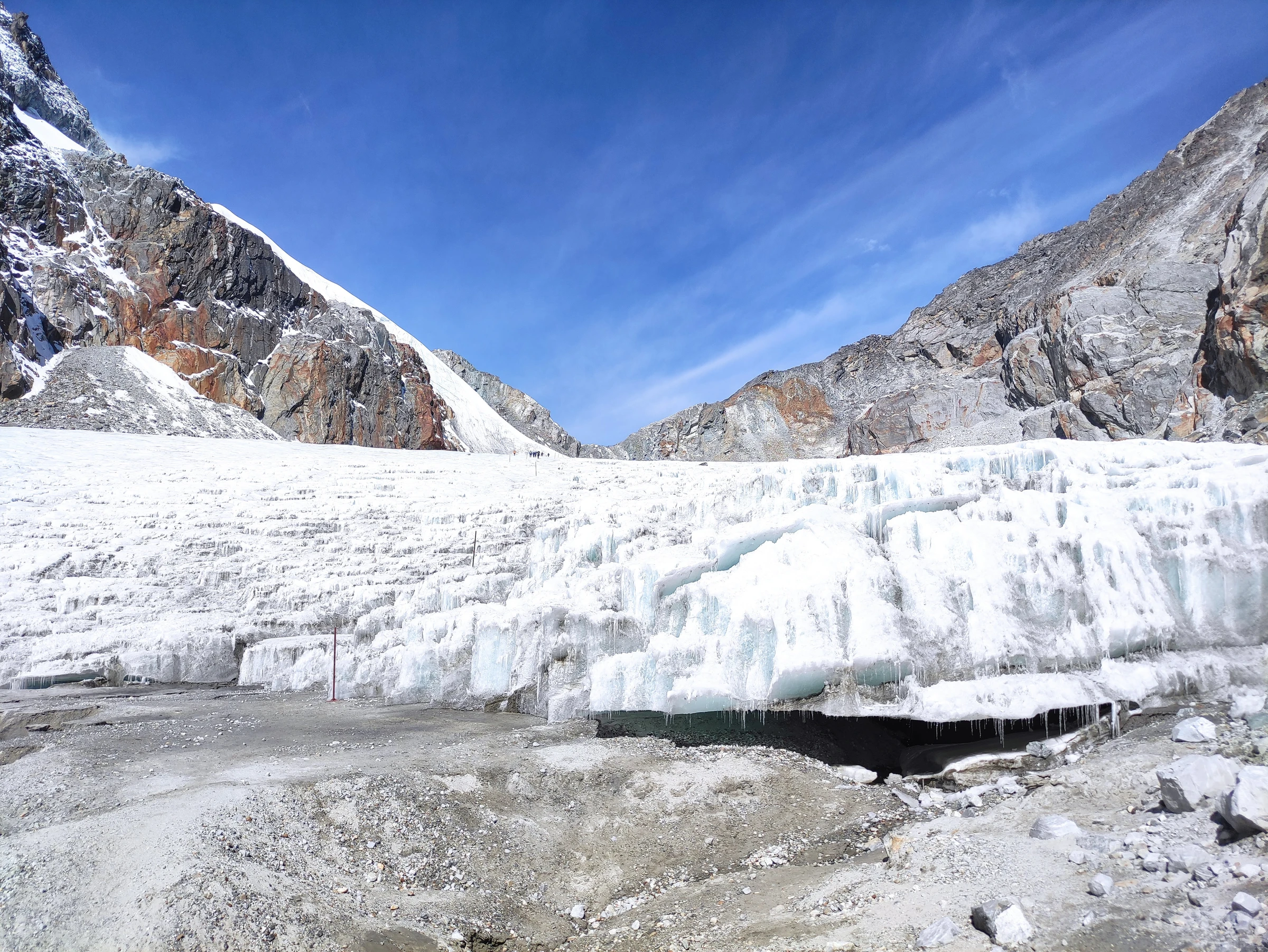
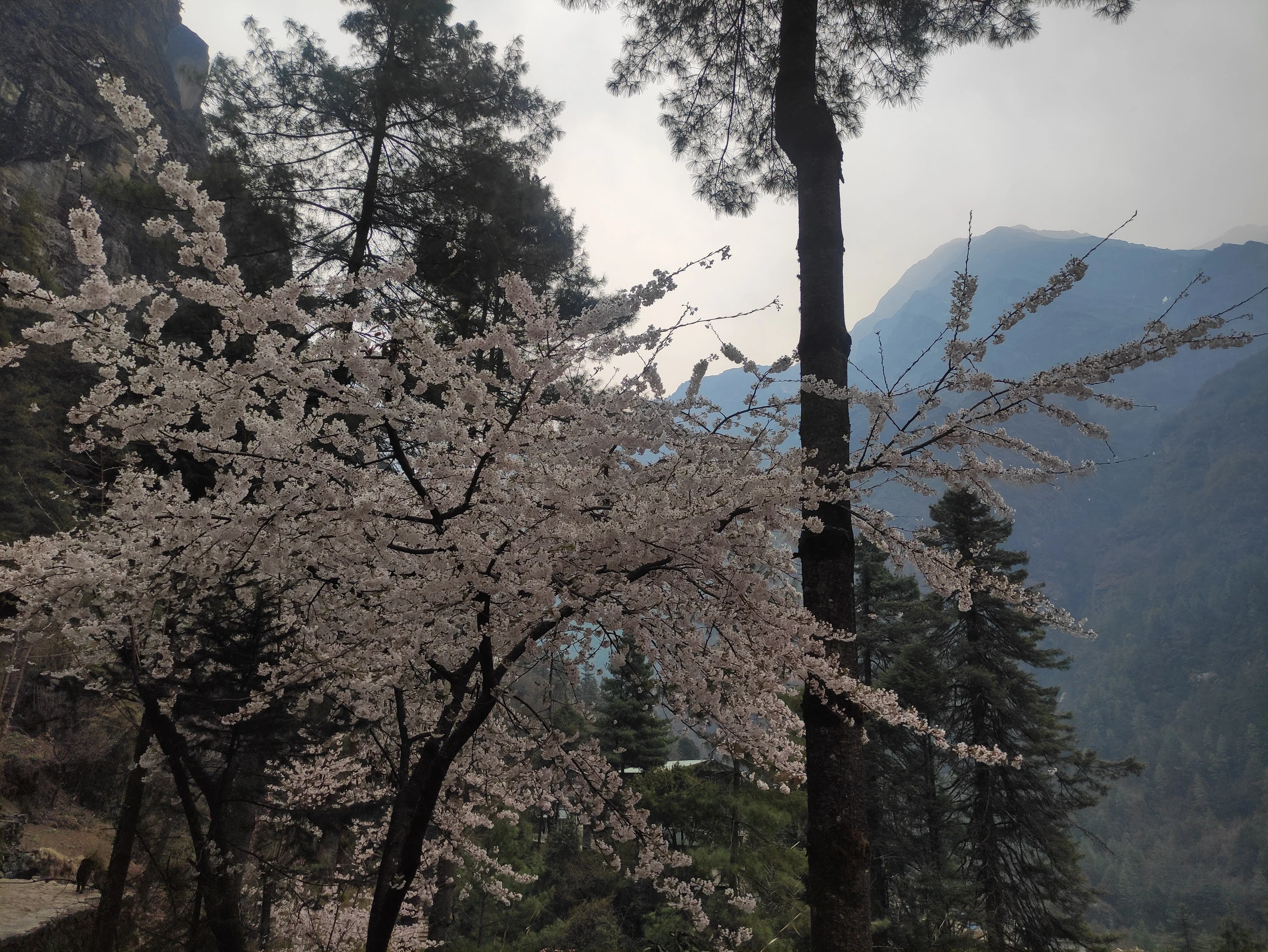
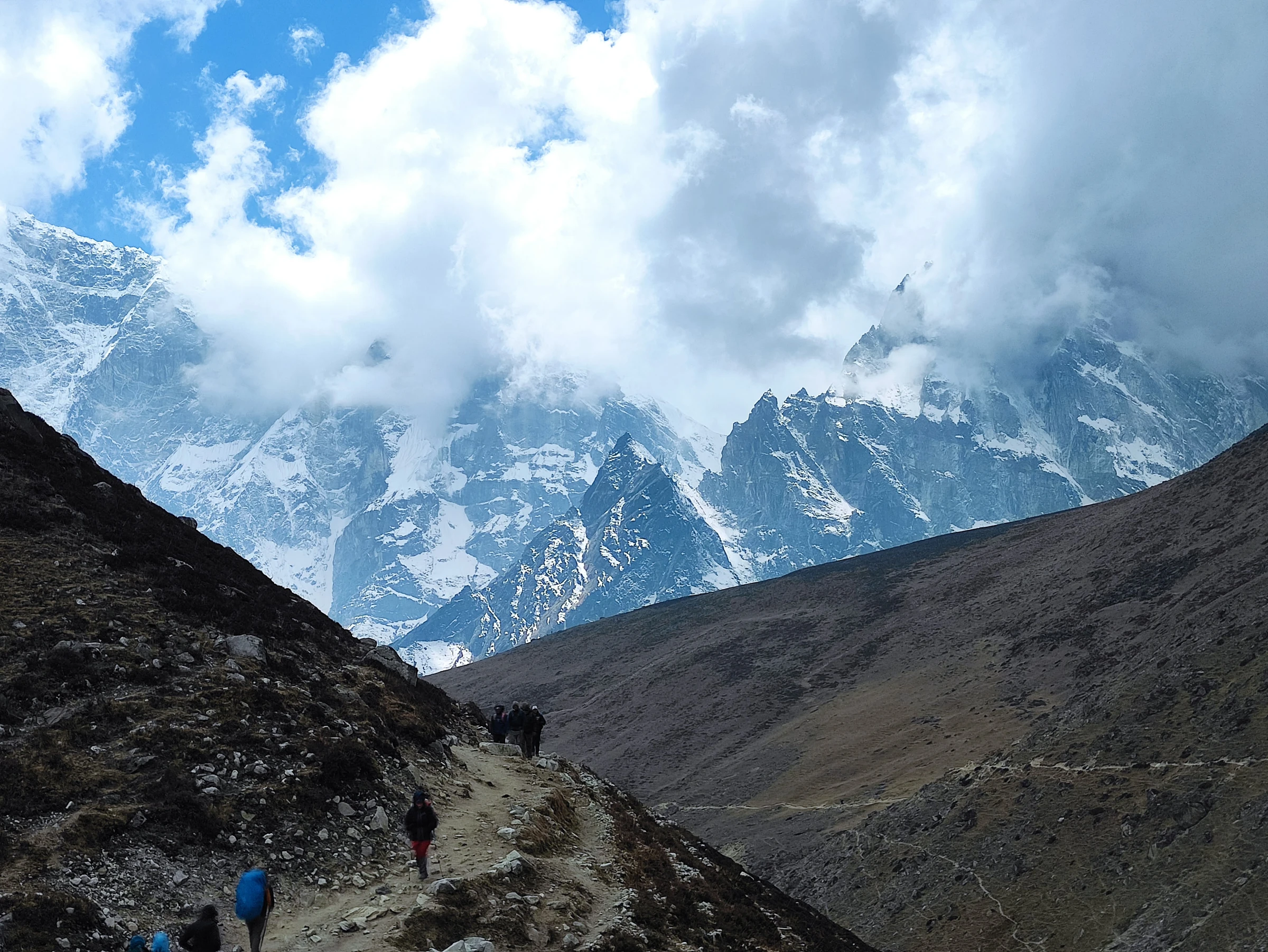
The journey shows an amazing range of mountain places from pine and rhododendron forests to open grassy areas high up in the mountains big piles of rocks left by glaciers and rough valleys up very high. The Gokyo Lakes have pretty blue and deep blue colors next to mountains that have snow on them and the Ngozumpa Glacier makes the view even more amazing. On the way you can feel the welcome, from Sherpa people see old villages and big temples and find out about how people live in places that are influenced by the mountains and climbing.
The homestay part brings a side to the trip helping travelers meet local people when there is proper family housing.. In faraway places high up in the mountains places to stay are usually teahouses and mountain lodges. So it is important to check if a homestay is available for the village and the specific night instead of thinking it is available all, along the way.
This trek is perfect for walkers who want something beyond the usual Everest Base Camp route. It takes you through the Gokyo Valley, where the trails are less crowded and the views are stunning. You’ll face the climb over Cho La Pass, a real test of strength and endurance. Then you’ll reach Everest Base Camp, a milestone for any trekker.. From Kala Patthar you’ll be rewarded with a breathtaking panorama of the Himalayas that stays with you forever. With planning, respectful trekking habits and careful attention to altitude this journey offers a powerful mix of adventure and cultural discovery. It’s not a hike. It’s a deep connection, with the mountains and the people who live there.
Main Highlights
1. Explore Gokyo Lakes: Discover the beautiful glacial lakes surrounded by rugged Himalayan scenery.
2. Climb Gokyo Ri: Enjoy a panoramic mountain viewpoint with views toward Everest, Lhotse, Makalu and Cho Oyu in clear conditions.
3. Experience Sherpa Hospitality: Connect with local culture and traditional village life, including a homestay where confirmed.
4. Visit Khumjung Village: Explore a traditional Sherpa settlement during the acclimatization hike from Namche Bazaar.
5. Trek through Phortse: Discover a quieter mountain village known for its strong Sherpa heritage and mountaineering connections.
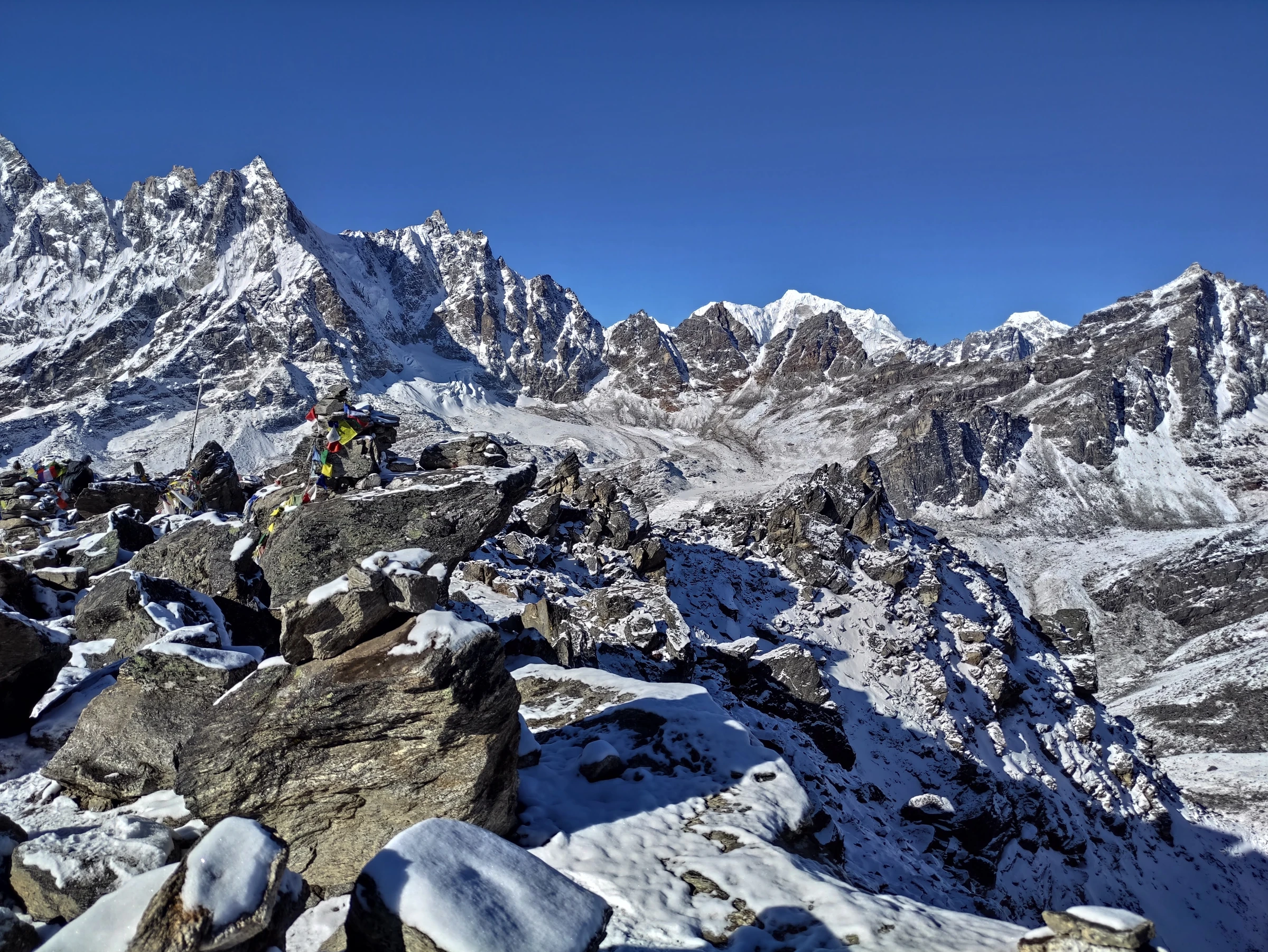
6. Cross Cho La Pass: Take on a demanding high altitude crossing linking the Gokyo Valley with the Everest Base Camp trail.
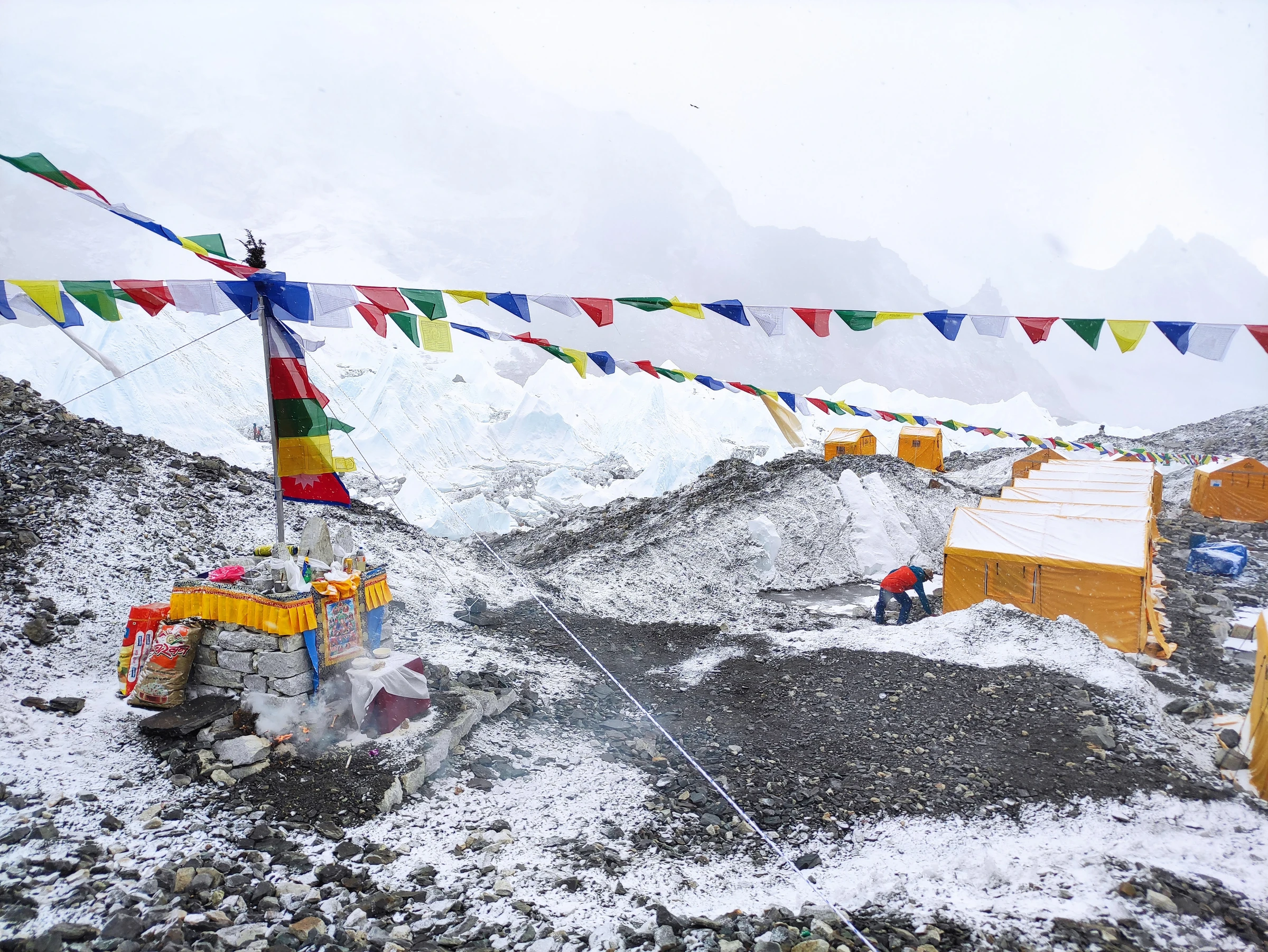
7. Reach Everest Base Camp: Walk to the iconic base camp beneath Mount Everest.
8. Watch Sunrise from Kala Patthar: Take in an exceptional Himalayan panorama, weather permitting.
9. Discover Sagarmatha National Park: Walk through a dramatic landscape of forests, glaciers, high valleys and mountain settlements.
10. Experience a Complete Everest Adventure: Combine cultural encounters, high altitude trails and iconic Himalayan viewpoints in one journey.
Trekking Route
Kathmandu → Lukla → Phakding → Namche Bazaar → Everest View Hotel → Khumjung → Phortse → Machhermo → Gokyo Lakes → Gokyo Ri → Cho La Pass → Dzongla → Lobuche → Gorak Shep → Everest Base Camp → Kala Patthar → Pheriche → Namche Bazaar → Lukla → Kathmandu
The journey begins in Kathmandu before a scenic flight to Lukla and a gentle first walk to Phakding. The trail gradually climbs through the Dudh Koshi valley to Namche Bazaar, where an acclimatization hike introduces the traditional villages and mountain viewpoints around Khumjung. Continuing through Phortse and Machhermo, the route enters the spectacular Gokyo Valley, where turquoise lakes and expansive glacier views create a peaceful contrast to the busier Everest Base Camp trail. After exploring Gokyo and climbing Gokyo Ri, the trek crosses the challenging Cho La Pass to Dzongla and joins the main Everest route at Lobuche. From there, you continue to Gorak Shep and Everest Base Camp, with a further ascent of Kala Patthar before descending through Pheriche and Namche Bazaar to Lukla for the return flight to Kathmandu.
Sub Peaks and Mountain Views
The trek offers opportunities to see some of the most recognisable mountains in the Everest region. Visibility depends on weather, season and the exact viewpoint.
Mount Everest (8,848.86 m): The world’s highest mountain, viewed from Gokyo Ri, the Everest Base Camp area and Kala Patthar.
Mount Lhotse (8,516 m): A towering neighbour of Everest, prominent from several viewpoints along the route.
Mount Makalu (8,485 m): One of the world’s highest peaks, often visible from elevated viewpoints in clear weather.
Mount Cho Oyu (8,188 m): A major Himalayan peak visible from the Gokyo region.
Nuptse (7,861 m): A dramatic mountain ridge close to the Everest Base Camp landscape.
Pumori (7,161 m): A striking peak in the wider Gorak Shep and Kala Patthar panorama.
Cholatse (6,440 m): A distinctive mountain near the Cho La and Dzongla region.
Taboche (approximately 6,495 m): A prominent mountain in the Khumbu landscape.
Trek Facts
Two famous Himalayan destinations: The itinerary combines the Gokyo Lakes region and Everest Base Camp rather than visiting only one valley.
Gokyo’s lakes are glacial: Their colour and appearance change with light, weather and seasonal conditions.
Gokyo Ri is a major viewpoint: Its summit provides a broad panorama of the surrounding peaks and lakes, although conditions can affect visibility.
Cho La is a high mountain pass: The crossing may involve snow, ice, loose rock and glacial terrain, depending on conditions.
Everest Base Camp is not the summit: The trek reaches the base camp area used by expeditions; it does not climb Mount Everest.
Kala Patthar is the highest planned point: At approximately 5,545 m, it offers a renowned view toward Everest and neighbouring peaks.
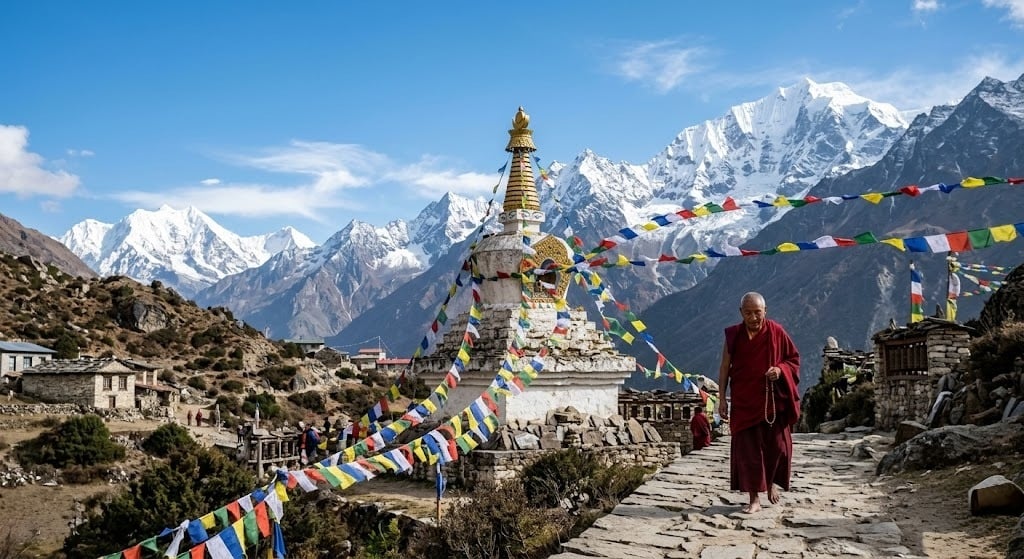
Sherpa culture is central to the region: Villages, monasteries and local hospitality are important parts of the trekking experience.
Accommodation changes with altitude: Kathmandu offers hotel options, while remote mountain areas generally rely on teahouses and lodges.
Flights are weather dependent: Lukla flight schedules can change because of mountain weather and operational conditions.
Why Trek the Everest Base Camp and Gokyo Lakes Route?
Experience Two Classic Everest Region Routes
Rather than following only the standard Everest Base Camp trail, this itinerary combines the Gokyo Valley with the Khumbu route. It offers a broader perspective on the region’s landscapes and mountain communities.
Discover the Beauty of Gokyo Lakes
The Gokyo Lakes are among the most memorable sights in the Everest region. Their striking colours, surrounding peaks and nearby Ngozumpa Glacier make this area a rewarding destination for nature lovers and photographers.
Challenge Yourself on Cho La Pass
Crossing Cho La is one of the trek’s most demanding experiences. The pass connects the Gokyo and Khumbu valleys and provides a strong sense of achievement for well prepared trekkers travelling with suitable guidance.
Reach Everest Base Camp
Standing at Everest Base Camp is a major milestone for many Himalayan trekkers. The surrounding glaciers and mountain scenery create a powerful sense of the scale of Everest expeditions.
Enjoy the Kala Patthar Panorama
Kala Patthar is widely valued for its close views toward Everest, Nuptse and the surrounding peaks. An early start offers the possibility of sunrise colours, provided the weather and the trekker’s condition allow.
Connect with Local Communities
The villages along the route provide opportunities to experience Sherpa culture, local food, mountain traditions and community hospitality. A confirmed homestay can make this cultural connection more personal.
Travel with Local Expertise
A knowledgeable local trekking team can help with route planning, acclimatization, changing mountain conditions and cultural understanding. Local support also helps visitors travel more responsibly through mountain communities.
Best Season for the Trek
Spring: March to May
Spring is a popular season for trekking in the Everest region. Temperatures generally become more favourable as the season progresses, and lower trails may feature flowering rhododendrons. Mountain visibility can be excellent, although clouds, snow and changing conditions are always possible.
Autumn: September to November
Autumn is another favoured period, often offering clear skies and good mountain views after the monsoon. This is a busy trekking season, so advance planning for flights and accommodation is advisable.
Winter: December to February
Winter brings colder temperatures, shorter days and the possibility of substantial snow and ice at high elevations. Cho La Pass may become difficult or unsafe to cross. A winter departure should only be considered after an experienced local team has assessed conditions.
Monsoon: June to August
Monsoon conditions can bring rain, cloud, slippery trails and flight disruption. High altitude conditions vary, and visibility may be limited. This period requires careful evaluation of weather, trail conditions and the feasibility of crossing Cho La.