The Tsum Valley Trek is a special journey into the remote Himalayan region of northern Gorkha, Nepal. Often described as a hidden valley, Tsum is known for its rich Tibetan Buddhist heritage, traditional settlements and peaceful mountain lifestyle. The trek takes you through beautiful villages, terraced fields, forested trails and dramatic mountain landscapes while introducing you to the unique traditions of the local communities.
Tsum Valley lies in the part of Gorkha district inside the larger Manaslu region of Nepal. Tsum Valley is close to the Nepal and Tibet border and Tsum Valley is surrounded by Himalayan mountains. The trekking route through Tsum Valley passes through settlements such, as Machha Khola, Doban, Philim, Lokpa, Chumling, Lamagaun, Nile and Chhekampar. The remote location of Tsum Valley has helped preserve Tsum Valleys culture and traditional way of life. It feels like the world has paused here.
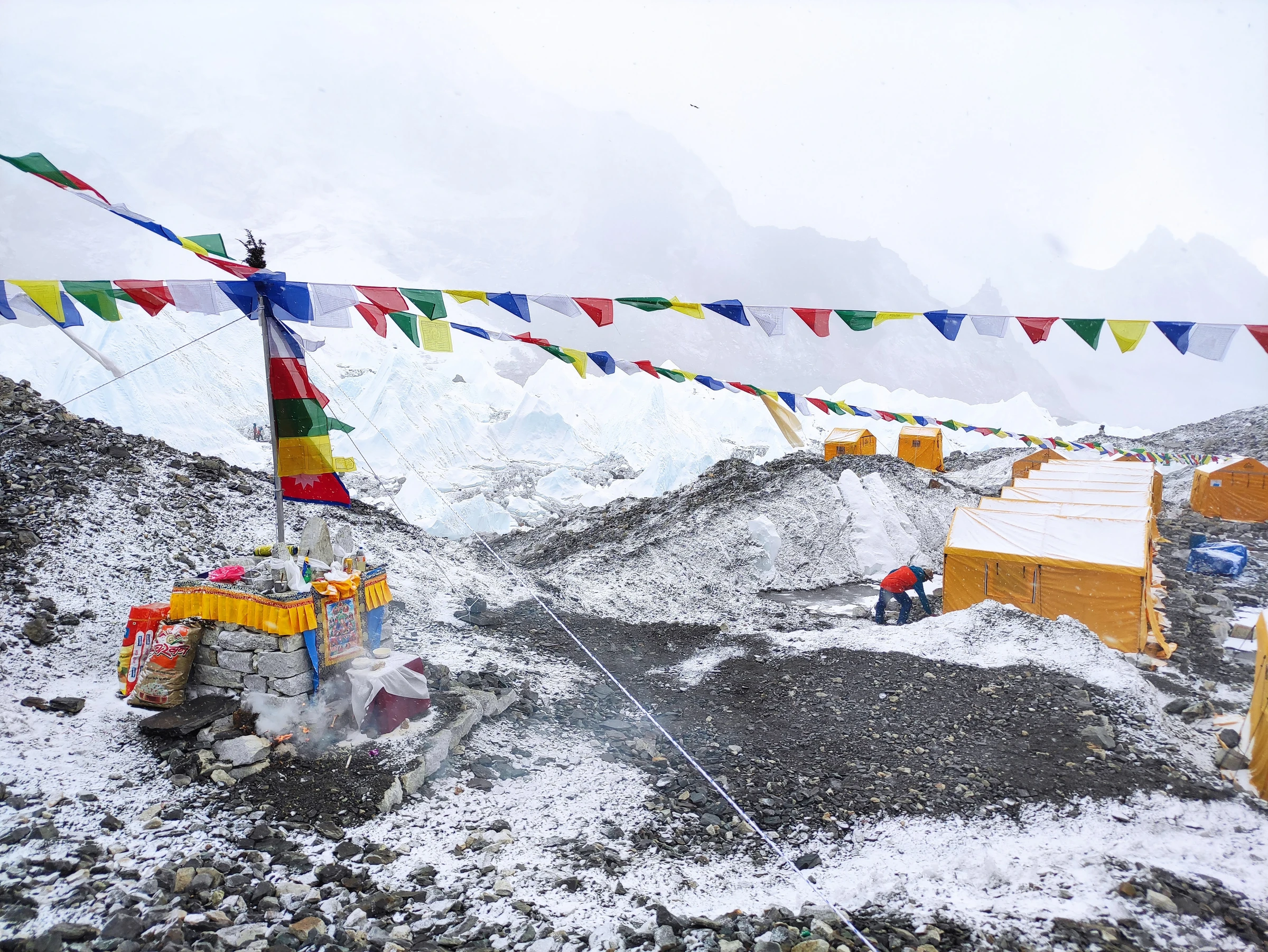
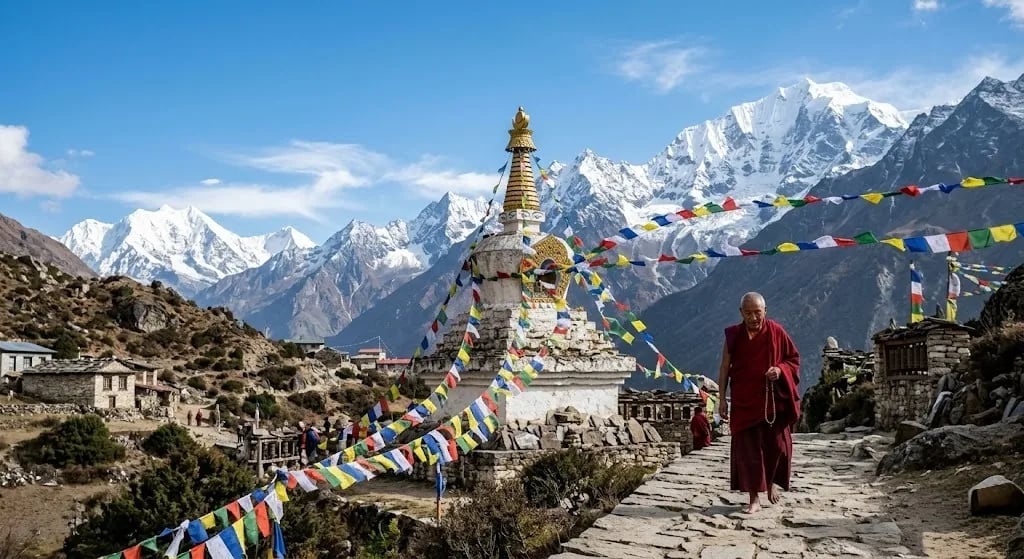
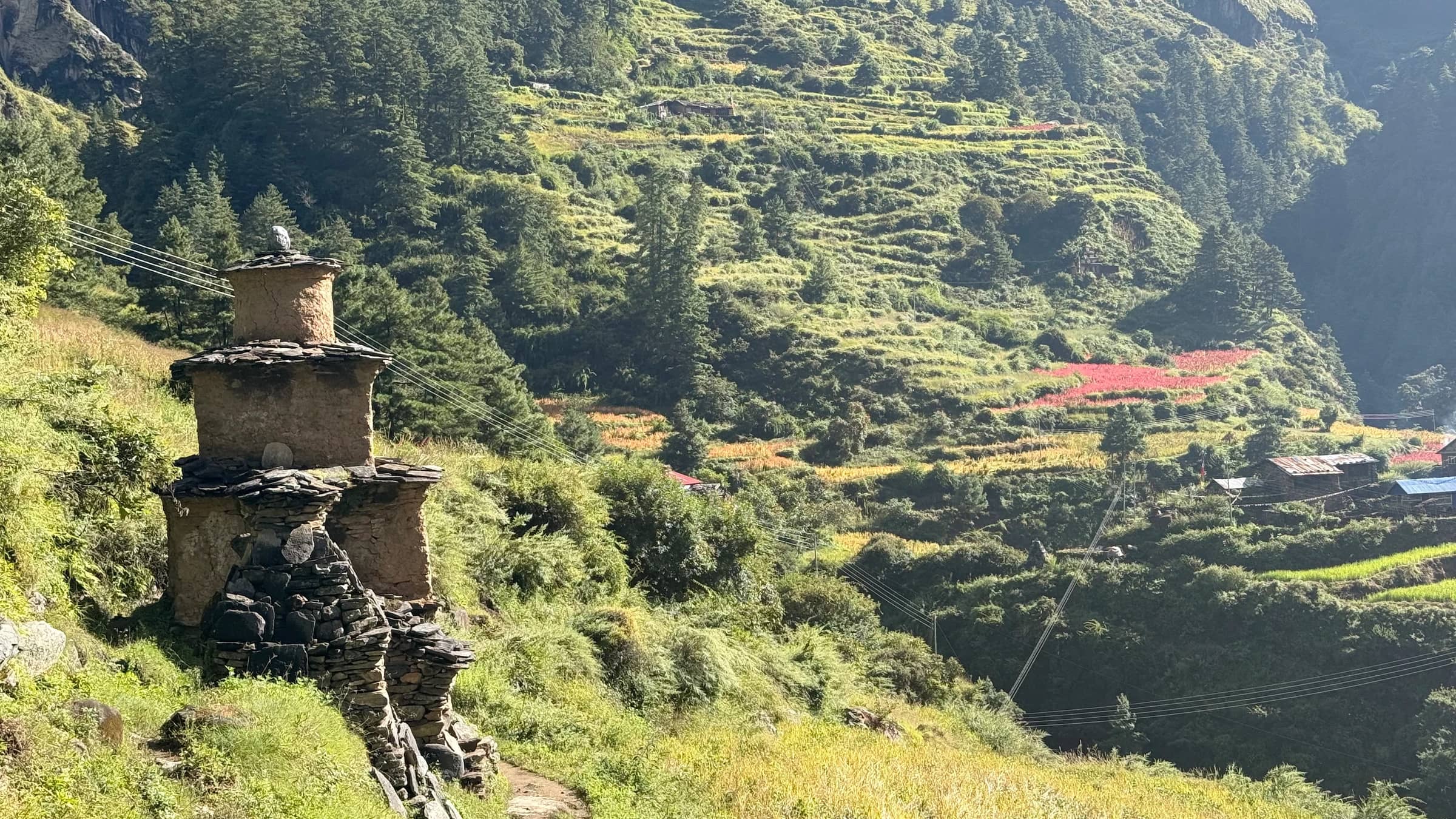
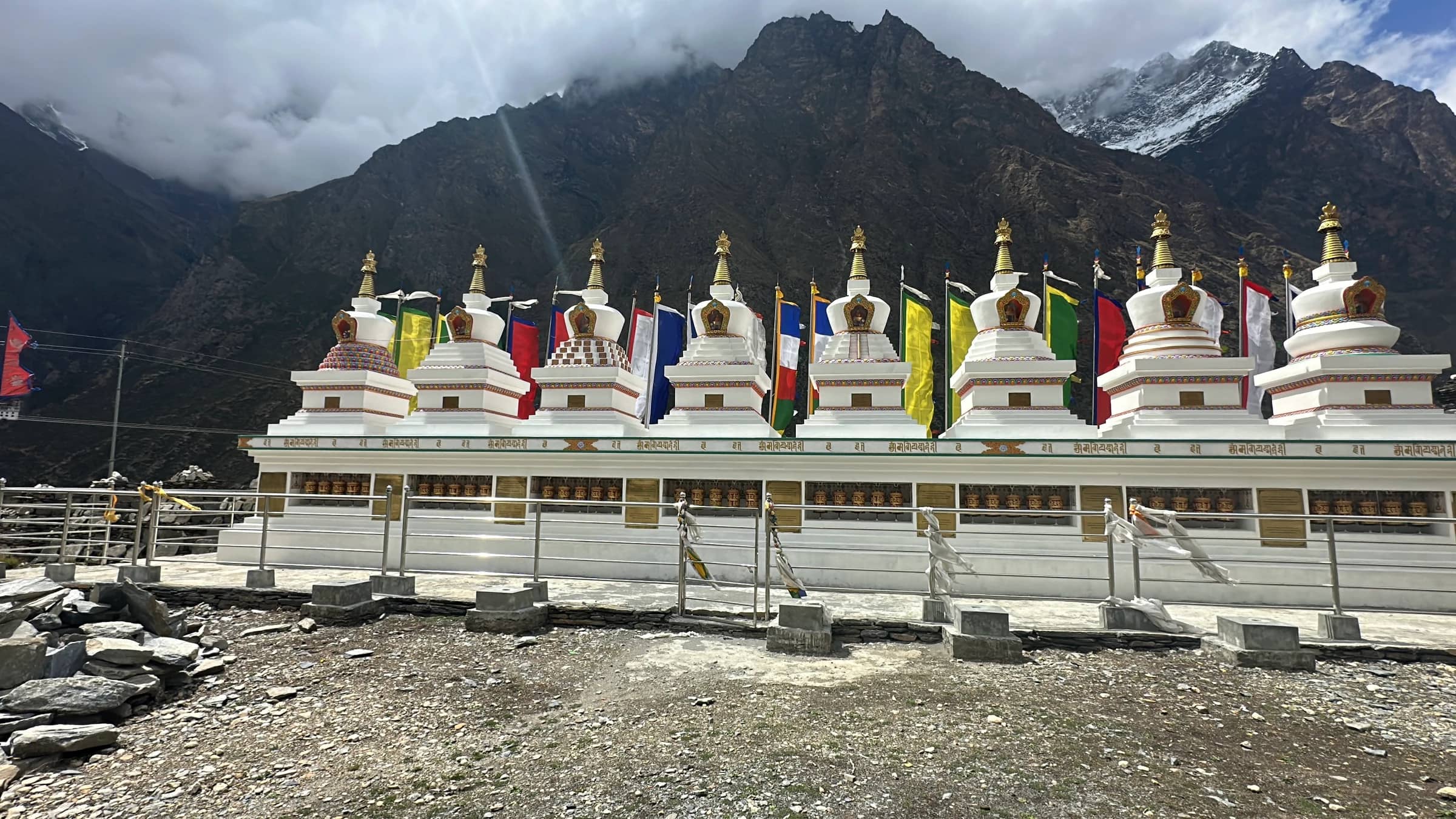
The Tsum Valley Trek gives you a mix of beautiful nature and learning about different cultures. As you travel you will pass through forests, river valleys, stone villages and quiet mountain views. The area has an influence from Tibetan Buddhism and you can see that, in the prayer flags mani walls, chortens, monasteries and homes that have traditional designs. The kind people who live there make the trip better because they show you their ways, their food and the warm welcome of the mountains.
The Tsum Valley Trek is an excellent choice for travellers who want to experience a quieter and more culturally rich side of Nepal. It offers a refreshing alternative to the more crowded trekking routes, allowing visitors to explore traditional Himalayan settlements and enjoy the peaceful atmosphere of a remote mountain valley. With its beautiful scenery and distinctive Buddhist heritage, Tsum Valley creates a memorable trekking experience.
Main Highlights of the Tsum Valley Trek
Explore the remote and culturally rich Tsum Valley in the Manaslu region.
Experience traditional Tibetan Buddhist culture and Himalayan village life.
Walk through beautiful settlements such as Lokpa, Chumling, Lamagaun, Nile and Chhekampar.
Enjoy peaceful trails through forests, river valleys and traditional agricultural landscapes.
Discover ancient cultural traditions, prayer flags, mani walls and Buddhist architecture.
Experience the warm hospitality of local Tsumba communities.
Explore one of Nepal's less crowded trekking destinations.
Enjoy changing landscapes from river valleys to high mountain settlements.
Experience a combination of scenic road journeys and remote Himalayan trekking.
Discover the unique heritage and peaceful lifestyle of northern Gorkha.
Trekking Route
Kathmandu → Tandrang Village → Machha Khola → Doban → Philim → Lokpa → Chumling → Lamagaun → Nile → Chhekampar → Lokpa → Doban → Kathmandu
The Tsum Valley Trek starts with a drive from Kathmandu to Tandrang Village. At Tandrang Village you will take some time to rest and get ready for the trekking adventure. The journey then moves toward Machha Khola and Doban. From there you follow mountain trails to Philim and Lokpa. From Lokpa the path climbs slowly through villages like Chumling and Lamagaun heading up to Nile. In Nile you explore the upper valley taking in the quiet beauty of the area. After a days of trekking you begin the descent toward Chhekampar. The return trip takes you back through Lokpa and Doban winding through landscapes. Finally you make your way back, to Kathmandu completing the Tsum Valley Trek.
Major Attractions of Tsum Valley
Traditional Tsumba Villages: The villages of Tsum Valley offer a close look at traditional Himalayan life. Stone houses, terraced fields, local farms and Buddhist cultural features create a distinctive atmosphere throughout the region.
Chumling: Chumling is a traditional settlement in the lower part of Tsum Valley. It provides an opportunity to experience local village life and enjoy the surrounding mountain scenery.
Lamagaun: Lamagaun is a beautiful mountain settlement along the upper valley route. Its peaceful surroundings and traditional architecture provide an authentic glimpse into the lifestyle of the local communities.
Nile: Nile is one of the upper settlements of Tsum Valley. Located at a higher elevation, it offers beautiful views of the surrounding mountain environment and a peaceful atmosphere.
Chhekampar: Chhekampar is a traditional settlement in the upper Tsum region. The village is known for its Tibetan influenced culture, traditional houses and beautiful Himalayan surroundings.
Mountains and Natural Scenery
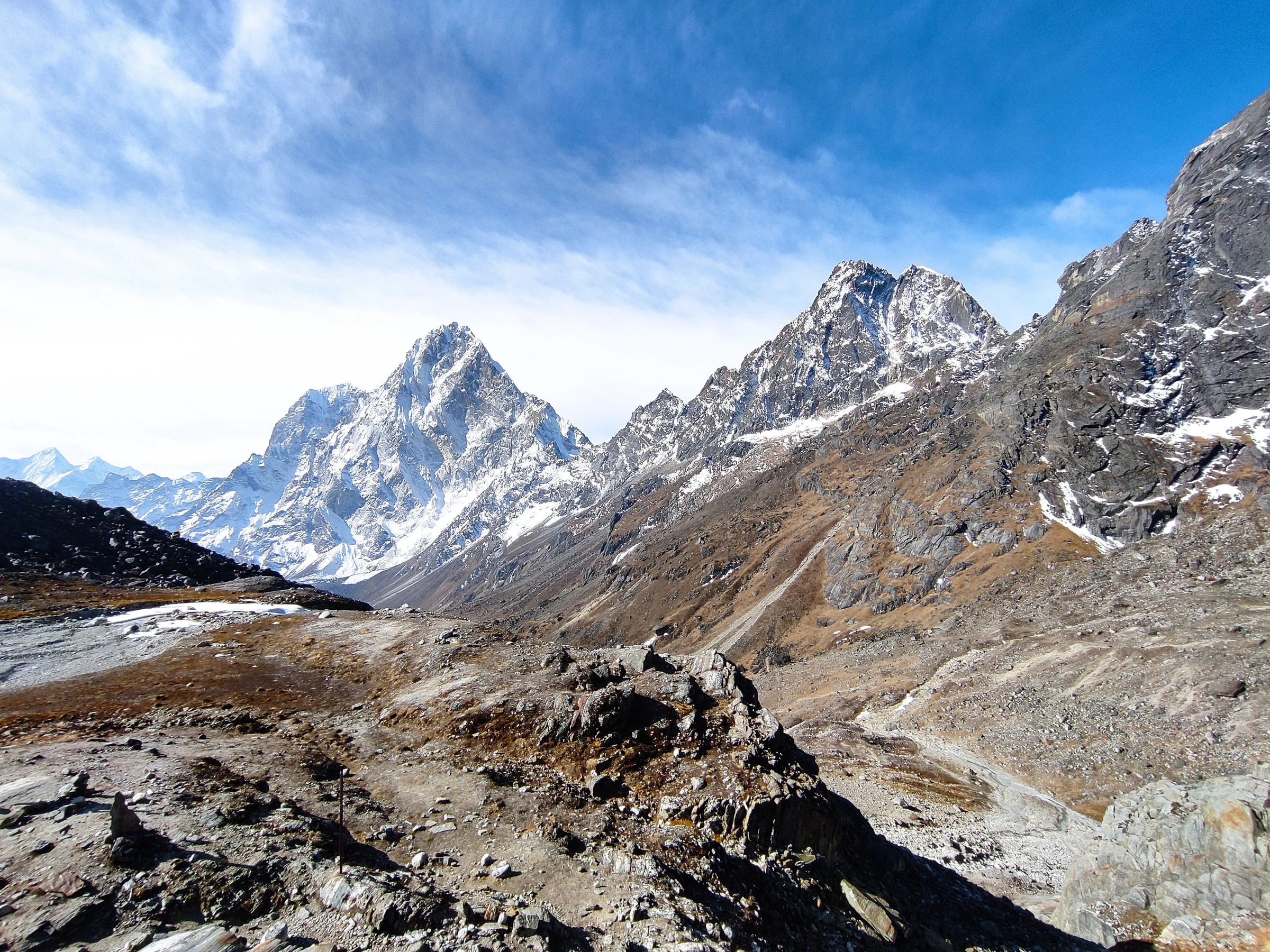
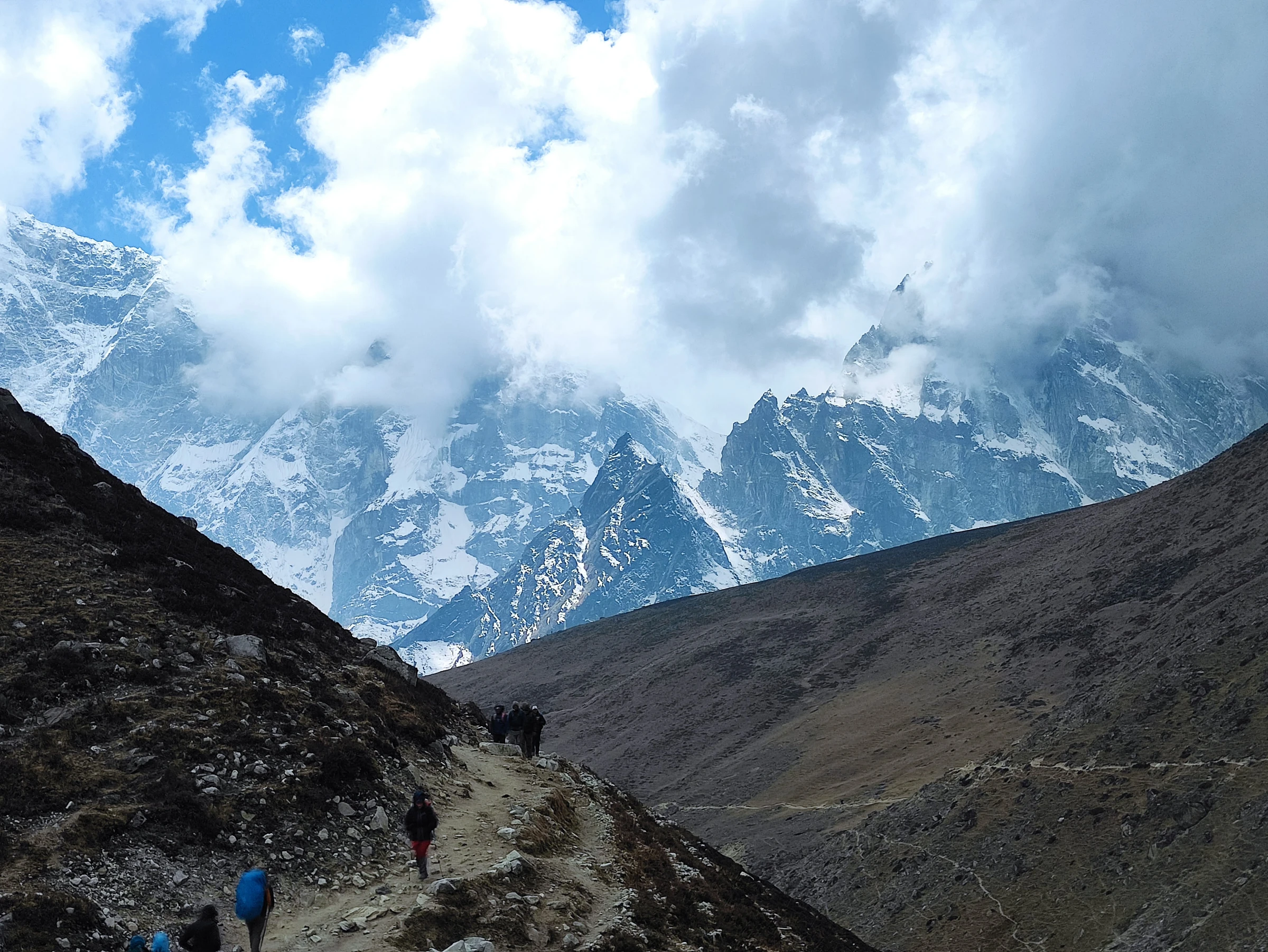
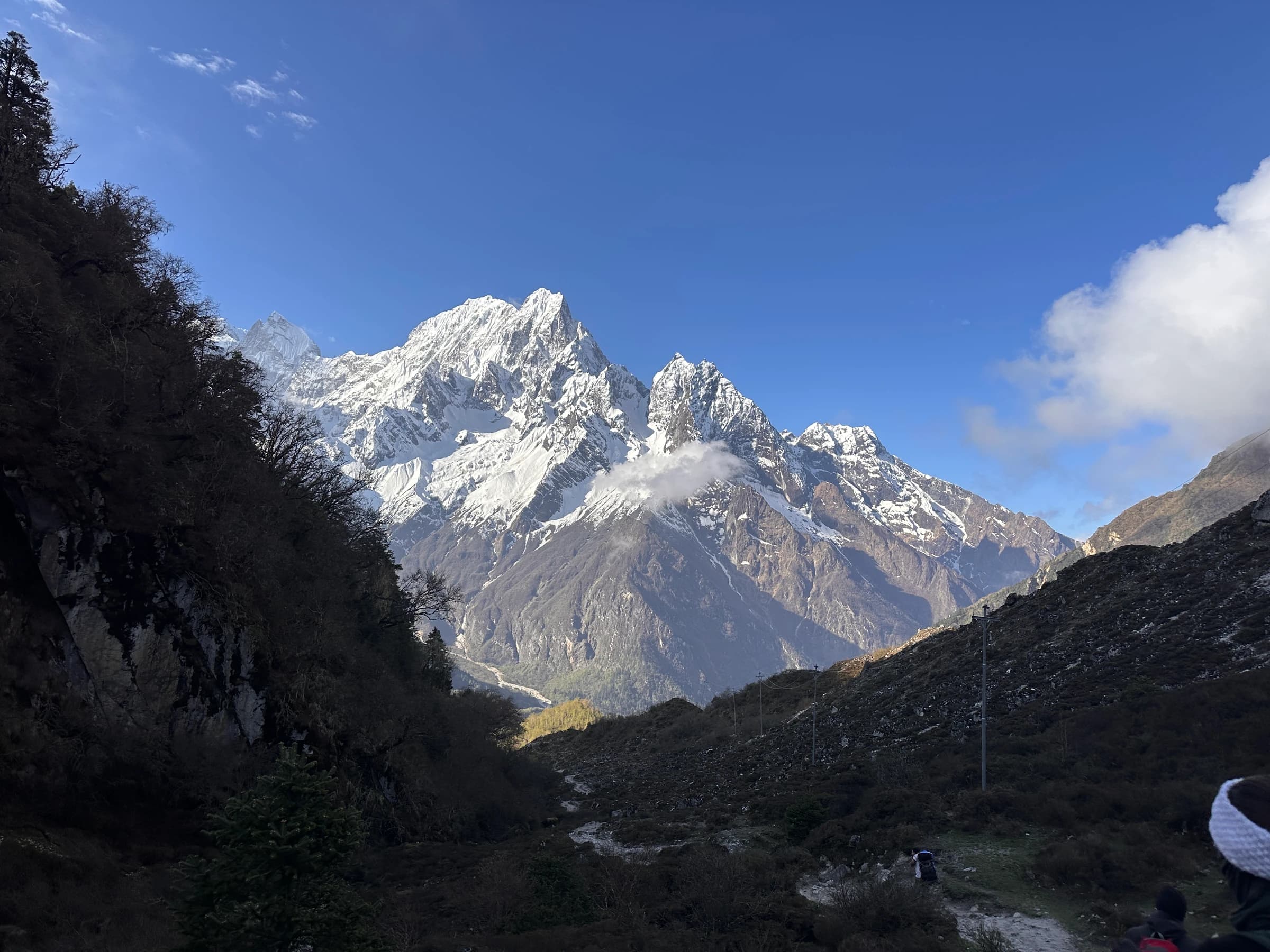
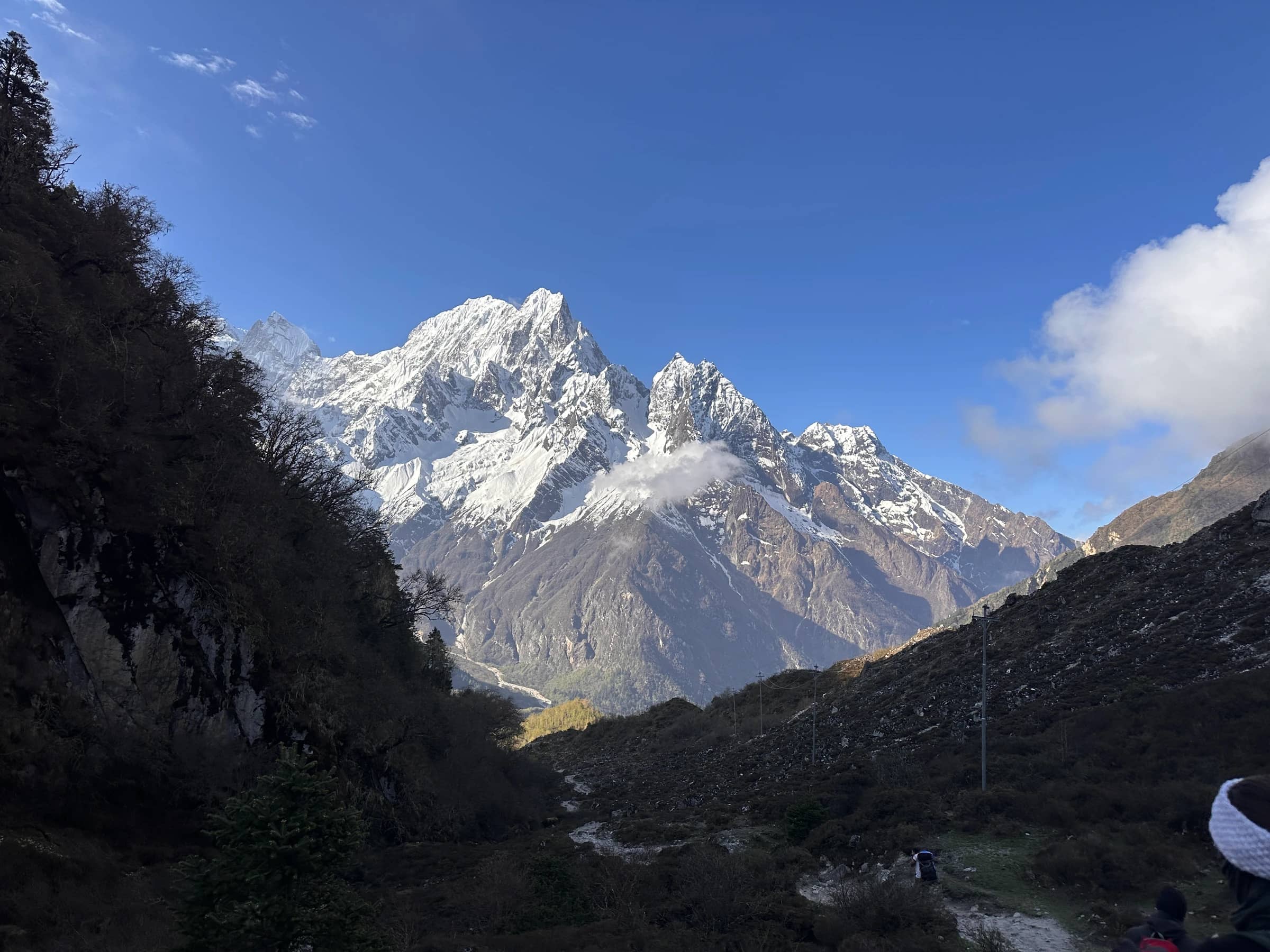
The Tsum Valley region offers beautiful views of the surrounding Himalayan landscape. Depending on the weather and visibility, trekkers may enjoy views of mountain ranges and peaks in the wider Manaslu region.
The journey also features:
Deep river valleys and mountain streams.
Forested walking trails and terraced hillsides.
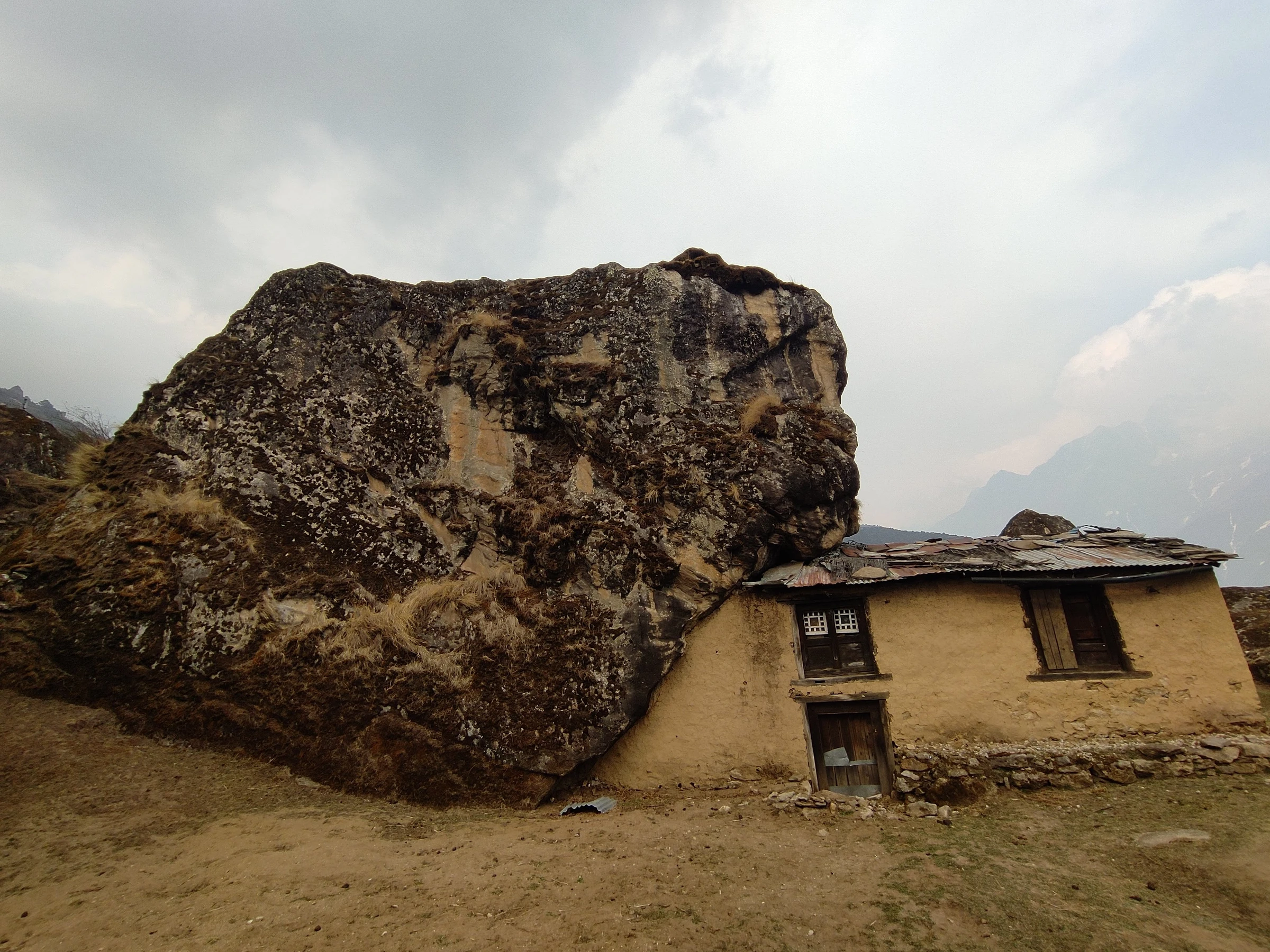
Traditional stone houses and agricultural landscapes.
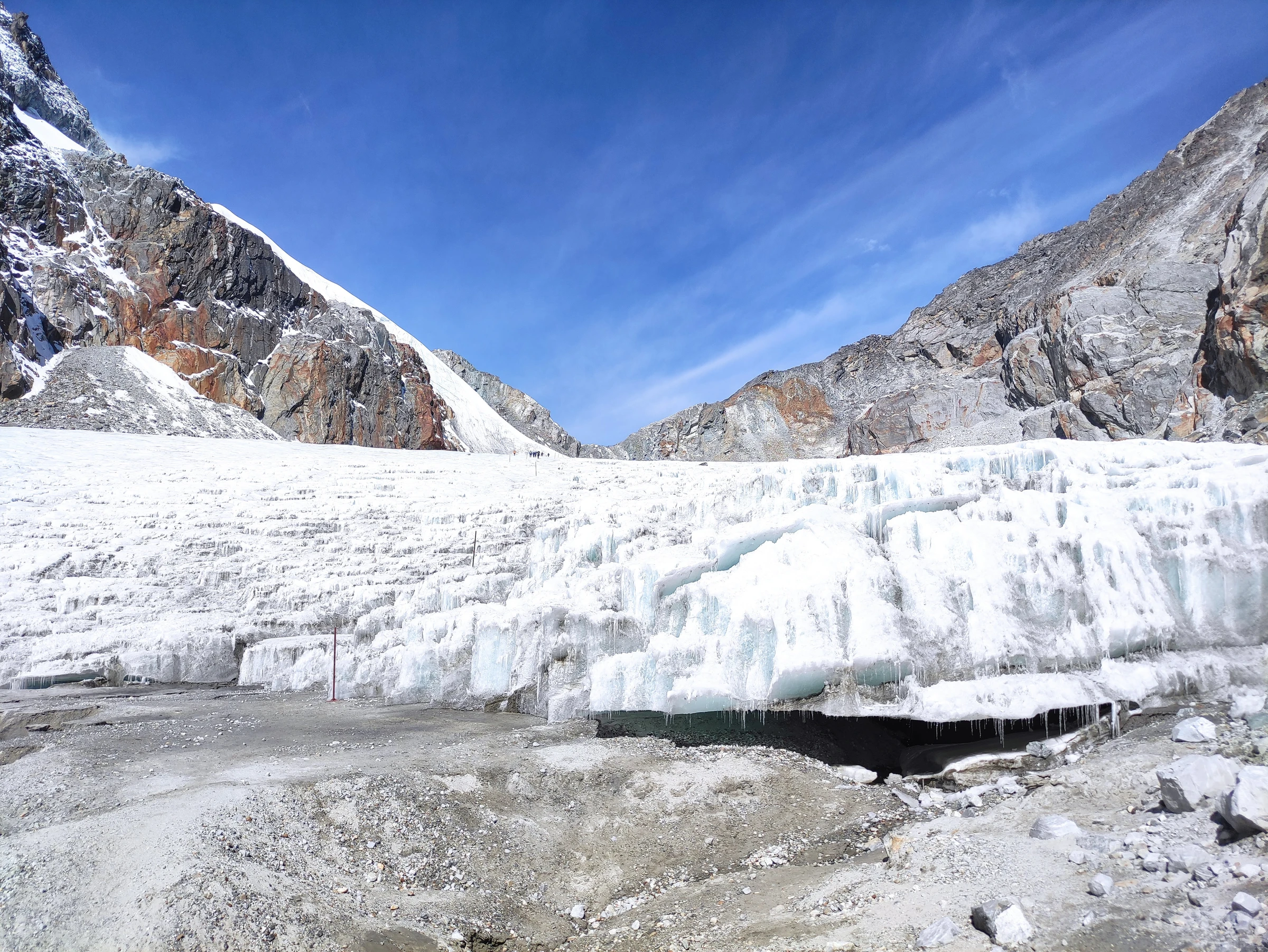
Dramatic mountain slopes and high Himalayan terrain.
Peaceful villages surrounded by natural scenery.
Trek Facts
A Distinct Cultural Region: Tsum Valley has a strong Tibetan Buddhist cultural influence, reflected in its traditional villages, religious structures and local customs.
A Remote Himalayan Destination: The valley is less developed for tourism than many popular trekking areas, offering a quieter experience.
Traditional Village Lifestyle: Agriculture, livestock and local trade remain important parts of everyday life in the valley.
A Restricted Area Trek: Tsum Valley is within a restricted trekking region, so travellers need to arrange the appropriate permits and follow current government requirements.
Cultural and Natural Experience: The trek combines village exploration, mountain scenery and cultural discovery rather than focusing only on high altitude viewpoints.
Why Trek to Tsum Valley?
The Tsum Valley Trek is an ideal choice for travellers who want to discover the cultural and natural beauty of a remote Himalayan destination. Unlike some of Nepal's more commercial trekking routes, Tsum Valley offers a peaceful atmosphere where traditional customs and local lifestyles remain an important part of everyday life.
The journey takes you through beautiful villages, forested trails and mountain valleys while introducing you to the Tibetan Buddhist heritage of the region. You can enjoy the warmth of local hospitality, explore traditional settlements and appreciate the simple lifestyle of the mountain communities.
For trekkers interested in culture, nature, local traditions and less crowded Himalayan trails, the Tsum Valley Trek offers a rewarding experience in the heart of northern Gorkha.
Best Season for the Tsum Valley Trek
Spring Season: March to May
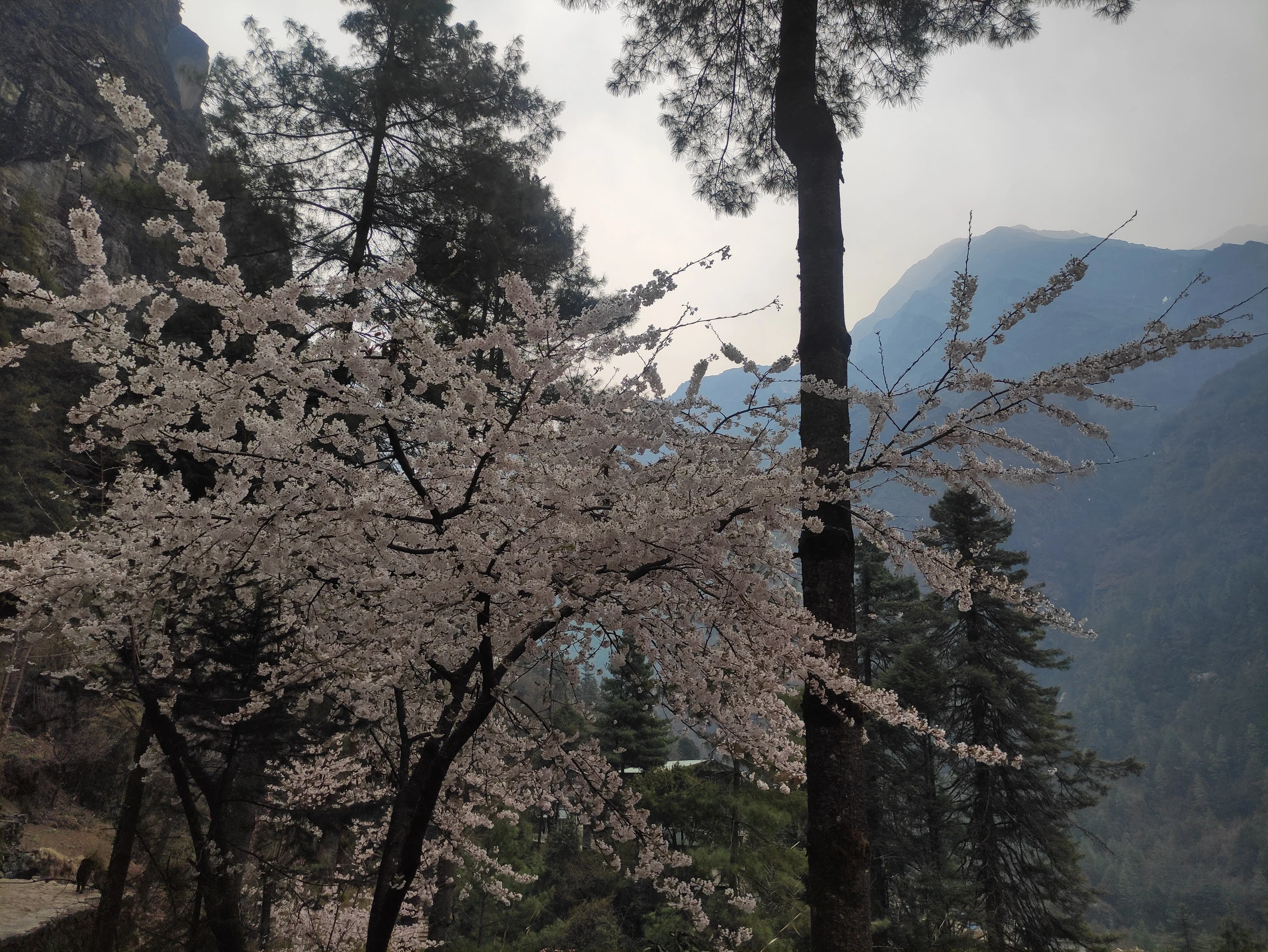
Spring is one of the most suitable seasons for the Tsum Valley Trek. The weather is generally pleasant, temperatures become warmer and the lower hills are decorated with blooming flowers. The trails offer beautiful natural scenery, while clearer days can provide impressive mountain views.
Autumn Season: September to November
Autumn is another excellent season for trekking in Tsum Valley. Following the monsoon, the atmosphere often becomes clearer and the surrounding landscapes look fresh. Daytime conditions are generally favourable for walking, making this a popular period for exploring the region.